
How Heavy Duty Reman Helps You Build a Tiered Fleet Strategy for Long-Term Resilience?
Introduction
Many fleets run with a mixed pool of new, ageing used and randomly sourced trucks, with no consistent way to match vehicle capability to task demand. This approach creates two common failures: overspending premium new trucks on low‑risk short‑cycle work, or assigning worn, unvetted used units to high‑load, high‑safety critical haulage.
REMAN ROAD Heavy duty remanufacturing introduces a controllable, repeatable asset class that sits strategically between expensive new trucks and high‑risk uncertified used stock. It lets fleet managers design a tiered fleet strategy, grouping assets by verified capability, so the fleet can absorb market shocks, project fluctuations and supply delays over the long term.
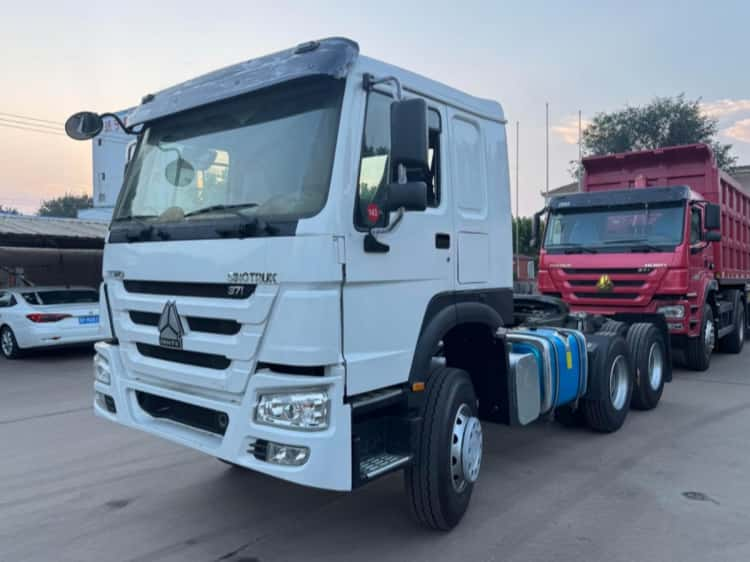
Tier 1: New trucks for permanent, high‑intensity core operations
New heavy‑duty trucks remain the right fit for your permanent, round‑the‑clock core routes and highest‑priority revenue streams. They carry full factory warranties, latest emissions hardware and the longest designed service life. However, they are capital intensive and subject to long lead times.
In a tiered model, new units are reserved selectively, not spread across every job. This preserves capital and avoids tying premium assets to volatile, temporary project work where rapid resale or redeployment will be required.
Tier 2: Authentic reman trucks as your flexible workhorse pool
This is where heavy duty remanufacturing delivers its greatest strategic value. REMAN ROAD authentic reman trucks are rebuilt to a documented, auditable baseline with NDT structural screening, tested powertrain and braking systems and formal warranty coverage. They become the scalable middle tier for most construction, quarry and medium‑term contract work.
This tier absorbs variable demand: ramp up for peak production, deploy to remote project sites, and reallocate between contracts without the lead time and high depreciation of new trucks. Because their quality and residual value are predictable, they form the shock‑absorbing layer of the fleet.
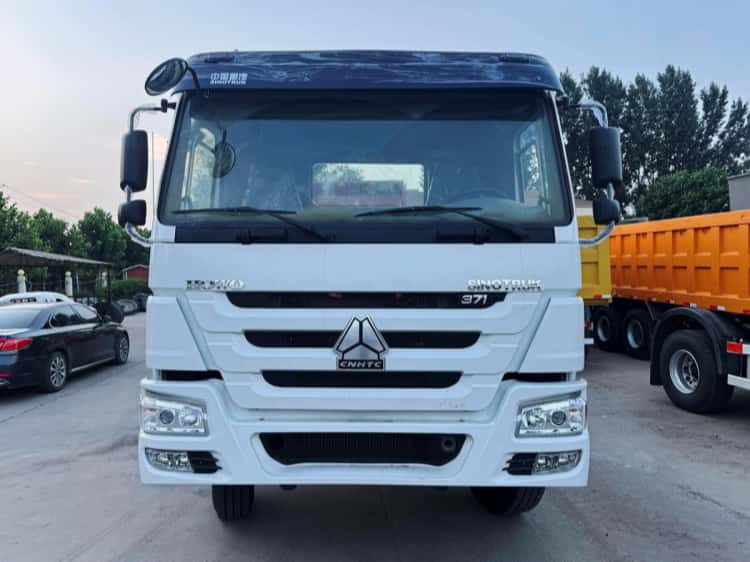
Tier 3: Low‑risk, limited‑role used units for non‑critical light tasks
The third tier can consist of lower‑cost used trucks, strictly restricted to low‑load, low‑speed, non‑critical yard movements or secondary support tasks. Importantly, the tiered strategy imposes firm guardrails: these uncertified assets are never assigned to steep haul routes, heavy payload cycles or high‑profile client projects. Heavy duty remanufacturing takes the pressure off this tier, so operators no longer need to gamble on cheap used trucks for revenue‑critical haulage.
Balanced risk distribution reduces single‑point failure
Resilience means not relying on one asset source or one asset type. If new truck supply chains stall, or lead times extend, the heavy duty remanufacturing tier can be expanded quickly to fill capacity gaps. If a project finishes early, authentic reman trucks can be reallocated or traded out with far less depreciation loss than new trucks.
The fleet is no longer locked into a rigid replacement cycle. Instead, procurement becomes dynamic: expand the heavy duty remanufacturing pool during peak demand, shrink it when activity slows, and protect the small core of new assets for permanent operations.
Simplified maintenance planning and asset rotation
Each tier carries a defined maintenance baseline, service interval schedule and wear expectation. Tier 1 new trucks follow factory service plans. Tier 2 authentic reman trucks follow the standardised heavy duty remanufacturing maintenance schedule built from its rebuild reset point.
Tier 3 older used units run more frequent conditional inspections. This tiered framework makes it easier to plan downtime, budget for repairs and schedule asset rotation. Managers can retire or relegate assets systematically before they degrade into safety or downtime liabilities.
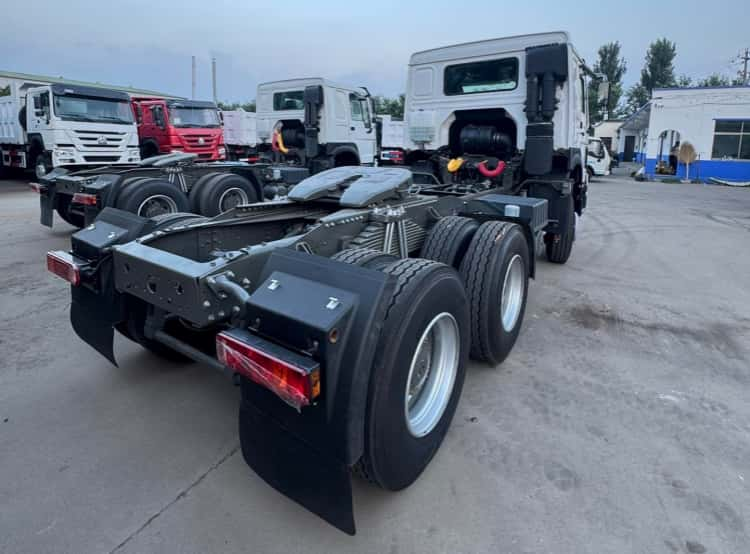
Stronger TCO and exit planning across the portfolio
A tiered fleet built around heavy duty remanufacturing also stabilises portfolio‑level TCO. New trucks carry steep early depreciation, while uncertified used trucks carry unpredictable repair exposure.
The heavy duty remanufacturing tier smooths the average depreciation curve and creates predictable residual value when it is time to sell or trade. For finance teams, this makes long‑term forecasting, lease structures and working capital planning much more reliable.
Conclusion
Heavy duty remanufacturing is more than an individual asset purchase option. It is the missing middle layer that makes a tiered fleet strategy practical. By separating jobs by risk and demand, and matching them to new, certified heavy duty remanufacturing and limited‑use used tiers, operators build a resilient fleet that adapts to shifting workloads, supply volatility and budget constraints without sacrificing safety or uptime.