
Why Circular Remanufacture Reduces Waste Sent to Scrap Yards From Heavy Truck Operations?
Introduction
When heavy trucks reach the end of their first service life, the default pathway for many fleets is direct scrapping. Even if major parts still hold usable life, the lack of verified rebuild standards pushes whole chassis, engines, axles and transmission assemblies into scrap processing. This creates large volumes of steel waste, plus the embedded emissions tied to original mining, smelting and forging.
Circular remanufacture changes this outcome. It treats the truck frame and high‑value core assemblies as reusable long‑term assets, not disposable scrap feedstock, and creates a structured route to keep them in active circulation.
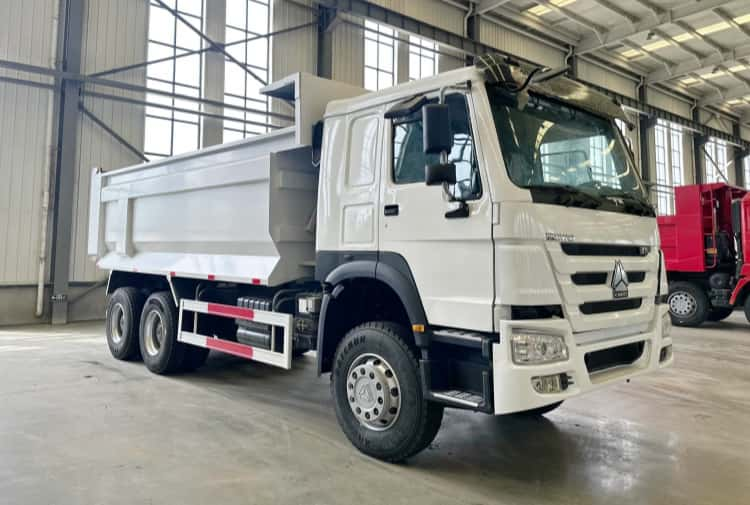
Whole-chassis recovery avoids mass scrapping of sound steel
A truck is marked for scrap mostly because its wear profile is unmanaged, not because its core structure is irreparable. Many frames pass NDT fatigue screening and retain sufficient structural integrity after years of operation. In a circular reman workflow, these viable chassis are retained as the base of a rebuilt truck.
Instead of being cut up, melted and recycled, they are cleaned, inspected, repaired at identified stress points and restored to a defined performance standard. A single heavy‑duty dump truck frame represents several tonnes of high‑grade steel; keeping it in service eliminates the waste stream that would otherwise go straight to scrap yards.
Component core recovery prevents subassembly waste
Circular reman workflow does not only save the chassis. It also harvests serviceable cores: cylinder blocks, crankshafts, axle housings, gearbox casings and brake assemblies. Parts that are worn but repairable are machined, reconditioned and returned to inventory for future rebuilds. Only components that fail inspection thresholds are scrapped.
In contrast, conventional end‑of‑life disposal usually strips a small handful of quick‑sale parts before the rest of the driveline is consigned for scrap. Circular remanufacture applies a stricter recovery discipline, maximising reuse before any material is written off as waste.
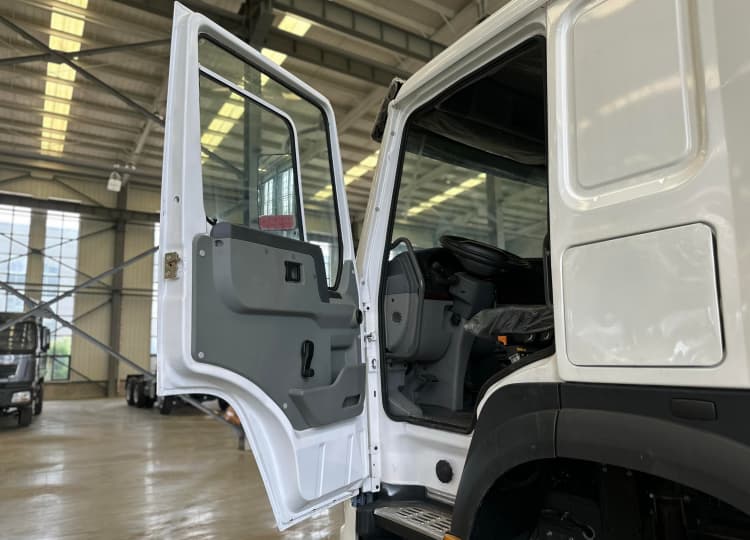
Reuse sits higher in the waste hierarchy than recycling
Recycling steel still consumes energy for melting, refining and reshaping. Reuse through circular remanufacture sits higher in the circular waste hierarchy, because it preserves the original manufacturing investment and material form. Scrap yards represent the recycling stage, a downstream step once functional value is lost.
By resetting asset life before that point, circular remanufacture delays or avoids the need for scrap processing entirely. This distinction matters for fleet ESG reporting, as waste diversion and avoided scrap tonnage are tangible evidence of circular performance.
Standardised sorting reduces “blanket scrap” decisions
Without a formal circular reman workflow, fleet operators often scrap trucks in batches for administrative simplicity. It is easier to write an entire fleet unit off for scrap than to assess each component individually.
Certified circular reman workflow introduces a consistent sorting gate: NDT, dimensional checks and performance tests separate salvageable assets from true end‑of‑life scrap. Units that fail structural or safety criteria are still sent for scrap, but the blanket scrapping of marginally worn trucks is eliminated. This selective filtering directly cuts the tonnage delivered to scrap yards year over year.
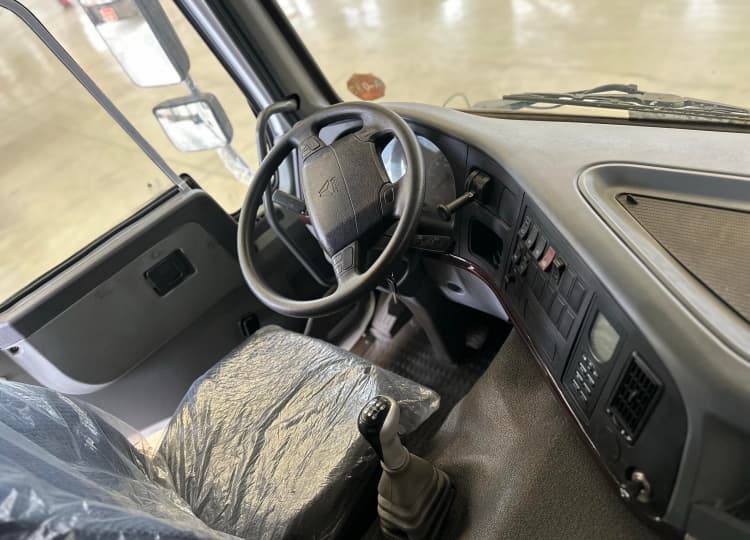
Extended asset cycles slow the flow of heavy vehicle waste
Circular remanufacture turns a one‑life linear model into multiple service cycles. A qualifying chassis can go through two or more verified reman cycles before it finally reaches the point where fatigue or corrosion makes recovery uneconomical.
Each extra working cycle delays scrap entry. For fleets with high turnover of construction and project trucks, this steady extension of asset lifespans creates cumulative waste reduction across the whole fleet portfolio.
Conclusion
Circular remanufacture reduces scrap yard waste not by eliminating scrap entirely, but by preserving functional value for as long as safely possible. It keeps sound chassis and core assemblies working, prioritises reuse over recycling, and replaces automatic scrapping with evidence‑based asset sorting. For heavy truck operations, circular remanufacture is a practical, auditable way to cut waste output while unlocking second‑life asset value.