
How OEM Spec Reman Helps You Meet Client Supplier Pre-Qualification Checklists Faster?
Intro
Large mining, infrastructure and haulage clients run formal supplier pre-qualification before awarding work. Their checklists often demand proof of design compliance, component traceability, quality procedures, safety validation and repair standards. Generic refurbished trucks struggle here: rebuild scope is inconsistent, records are fragmented, and repairs may deviate from OEM specifications.
OEM spec remanufacturing is engineered to match original OEM tolerances, assembly sequences and performance requirements. It delivers ready-to-submit evidence packs that map straight to standard pre-qualification criteria, speeding up vendor clearance and shortening your time to tender eligibility.
How OEM spec reman accelerates supplier pre-qualification?
Build standard aligns with OEM design requirements on client checklists
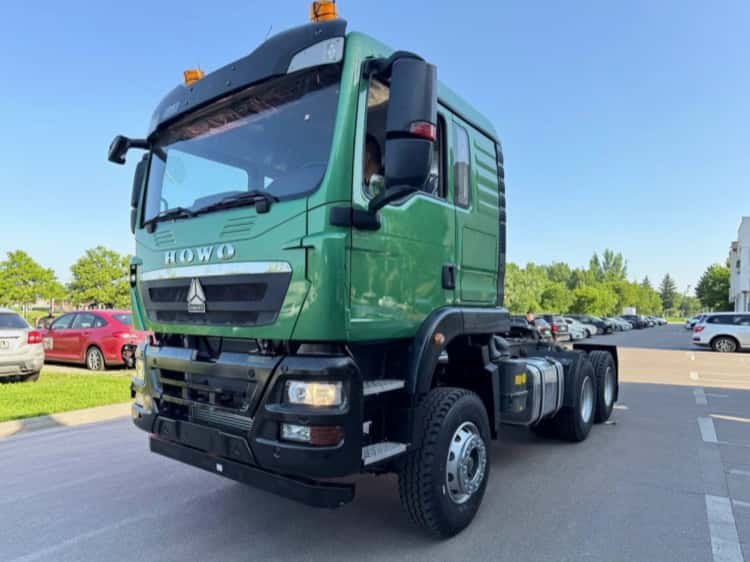
Most client pre-qualification forms ask whether vehicles are rebuilt to original manufacturer specifications, not modified or makeshift repaired. OEM spec remanufacturing uses OEM dimensional tolerances, torque values, clearances, subassembly calibration and approved repair methods. It does not rely on non-standard modifications, oversize workarounds or alternate fitments that auditors flag as non-compliant. This removes one of the most common hold-up points in vendor review.
Pre-packaged audit documentation matches checklist evidence requirements
Pre-qualification teams typically request inspection records, NDT reports, component traceability, test results and QA workflow proof. Every REMAN ROAD OEM spec reman truck carries a complete VIN dossier with standardised records: intake screening, metrology, NDT scans, mandatory consumable renewal logs, bench test data and final acceptance sign-off. Instead of assembling ad-hoc invoices and photos for each truck, you submit a consistent, repeatable evidence package that auditors recognise and trust.
Component traceability satisfies approved-sourcing clauses
Many client checklists require proof that critical parts are sourced from approved OEM or OEM-equivalent suppliers, with batch and serial traceability. OEM spec remanufacturing’s BOM is controlled; renewed safety-critical components are from approved sources, and serial numbers are logged to the dossier. This lets you answer “approved supplier” questions with direct records, rather than explaining that used parts were reused without traceability.
Standardised QA procedures satisfy ISO and quality-system questions
Pre-qualification often includes questions about quality control, independent inspection, corrective action and audit sampling. OEM spec remanufacturing is built on a documented, gate-locked QC workflow, with third-party sampling and formal non-conformance processes. You can reference the same QA manual and workflow evidence for your fleet submission, rather than defending informal repair practices. This reduces back-and-forth clarification emails from the client’s procurement or HSEQ team.
Duty-grade validation and load testing satisfy safety and performance clauses
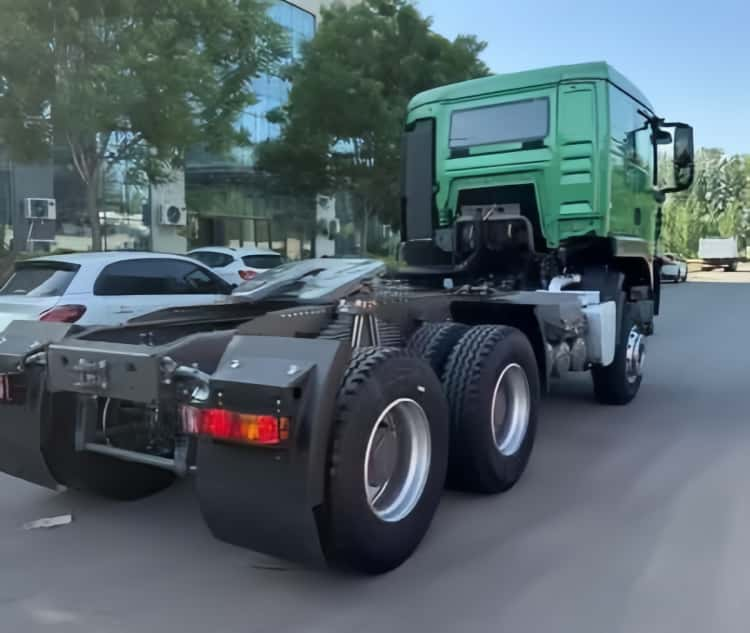
Clients commonly require proof that vehicles are tested for the site’s operating duty cycle, not just visually inspected. OEM-spec bench and loaded road tests replicate the intended operating envelope, matching the performance envelope the OEM originally designed for. The test data proves the vehicle meets the required brake, powertrain, hydraulic and structural performance. This addresses safety and fitness-for-purpose requirements without extra third-party testing at your cost.
ESG and circular economy documentation is ready for sustainability checklists
Public and large private clients now add circular economy, carbon footprint and waste diversion questions to pre-qualification. OEM spec remanufacturing comes with standardised embodied carbon savings and material diversion data. You can include this as part of your submission, rather than having to create sustainability evidence from scratch. This helps you clear ESG screening filters that generic refurbished fleets fail.
Consistent fleet specification reduces auditor sampling concerns
When your fleet is mixed with random refurbished units, auditors treat every truck as a unique risk and may request extra sampling or spot audits. A fleet of OEM spec reman trucks is homogeneous. The approval team can review one standard and extend that approval across the fleet batch. This reduces the scope of requested validation and avoids truck-by-truck scrutiny.
Boundary Note
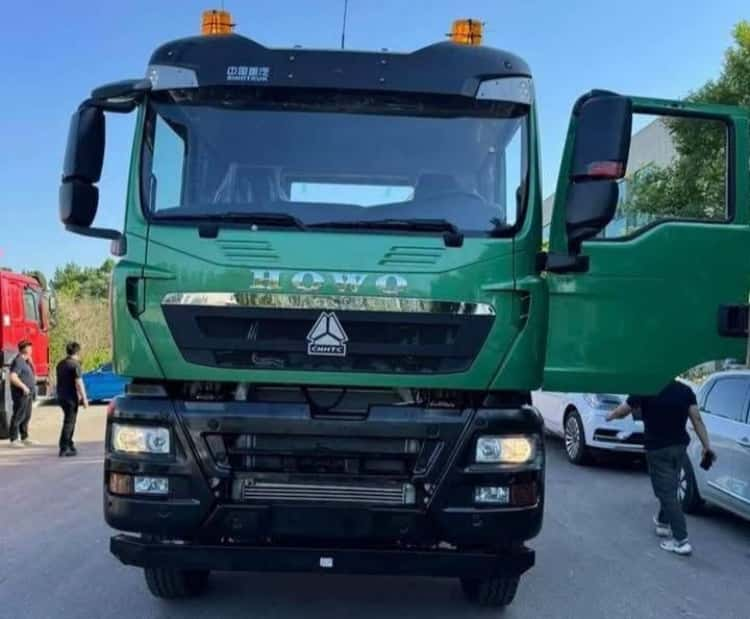
OEM spec remanufacturing does not automatically guarantee pre-qualification approval. Client requirements may still include driver training, site safety rules, insurance limits, licence compliance or site-specific emissions rules. What it removes is the friction caused by undocumented, non-standard rebuild practices that routinely trigger checklist rejections and delayed reviews.
Q&A
Q: Is OEM spec remanufacturing the same as OEM factory reman? A: It follows OEM design and tolerance specifications, but it is independent REMAN ROAD certification. You should disclose this clearly in the submission to avoid misinterpretation.
Q: Can I share the reman dossier directly with the client’s pre-qualification team? A: Yes, redact any commercially sensitive pricing information and share the QA, test and traceability sections as supporting evidence.
Q: How do I phrase this in my pre-qualification response? A: Our heavy duty reman trucks are rebuilt to OEM specification, with full VIN traceability, NDT validation, bench performance testing and auditable QA records, to meet the client’s supplier pre-qualification requirements.