
Why Reman Duty Classification System Prevents Dangerous Over-Deployment?
Intro
A common hidden risk in reman fleets is treating every rebuilt heavy truck as interchangeable. Fleet planners may match a reman truck built for highway hauling to continuous mining-site tipper cycles, or assign a medium-duty reman chassis to maximum overload, steep-gradient work.
Visually the truck may look robust, but its reman rebuild standard, core condition and component refresh scope were never engineered for that duty profile. Over-deployment accelerates metal fatigue, brake fade, transmission breakdown and hydraulic failure, which can lead to rollovers, loss of load and catastrophic roadside incidents.
REMAN ROAD’s reman duty classification system solves this by tagging each reliable reman truck with clear operational boundaries based on testing, core assessment and rebuild specification, so dispatchers assign assets only within their safe design envelope.
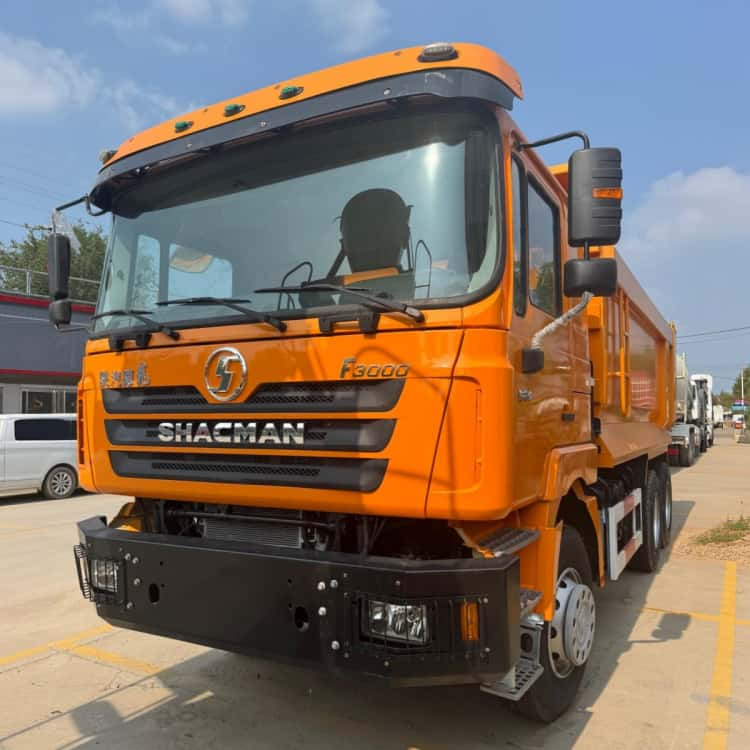
Classification is rooted in core condition and rebuild scope, not just model type
Two trucks of the same OEM model can land in different duty classes after remanufacturing. One core may pass all heavy vocational NDT checks and receive full upgrade of axles, suspension and cooling packs for mining duty. Another core, while fully safe, may only qualify for light-to-medium highway use after reman, because its frame and critical stress points show baseline fatigue that cannot support sustained shock loads.
The reman duty classification label is not a marketing tier; it is a technical verdict from inspection and test data. This prevents the dangerous assumption that “same model = same safe workload.”
Clear load, gradient and cycle caps remove guesswork from dispatch
Each reman duty classification comes with published operating limits: maximum GVW, acceptable slope grade, start-stop frequency, idle percentage and annual operating cycle threshold.
- Light duty reman trucks are marked for steady highway transport.
- Medium duty reman trucks suit periodic construction runs with moderate loading.
- Heavy vocational reman trucks are approved for continuous site work, repeated tipping and rough terrain.
Dispatch teams use these fixed parameters rather than driver judgement or rough estimates, stopping overloading and overcycling before a unit enters a high-risk assignment.
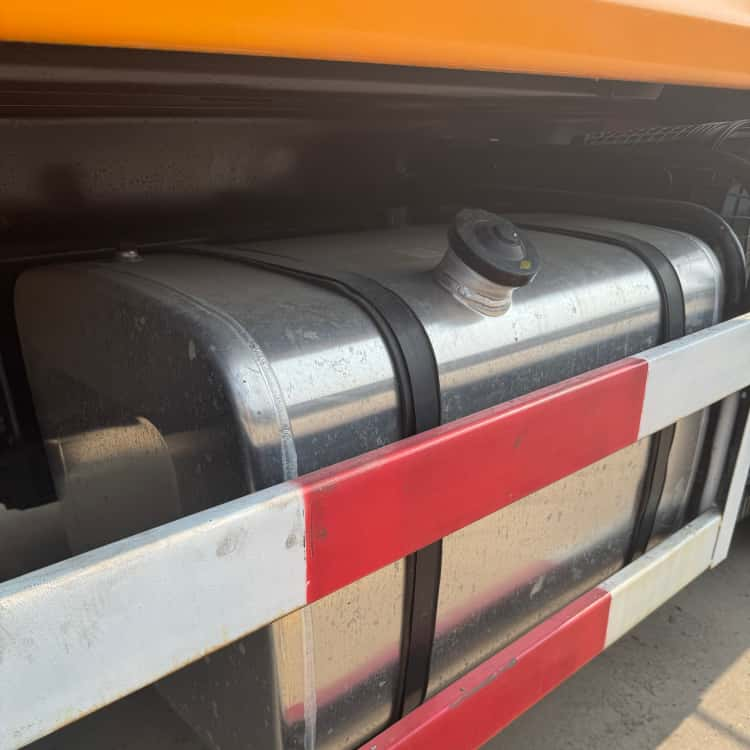
Duty-bound acceptance testing validates real-world fatigue resistance
Before receiving a heavy vocational classification, a reman truck completes extended cyclic testing covering brake heat soak, suspension shock loading and hydraulic duty cycles matching site conditions. Units that cannot hold performance at those stress levels are downgraded to lighter duty classes, even if they pass a static roadworthiness check.
This separates trucks that can survive intermittent heavy loads from those built to sustain heavy duty day after day, removing the risk of passing a basic inspection yet failing under prolonged site stress.
Classification documentation supports tender, insurance and liability protection
When a reman truck is deployed outside its assigned duty class, operators can face invalidated warranty, denied insurance claims and liability if an accident occurs. REMAN ROAD’s reman duty classification forms part of the permanent traceability record, linked to the unit’s VIN.
Auditors, clients and underwriters can verify whether the truck matches the contract’s operational demands. The system turns subjective safety promises into auditable duty constraints, and protects fleet operators from liability caused by misassignment.
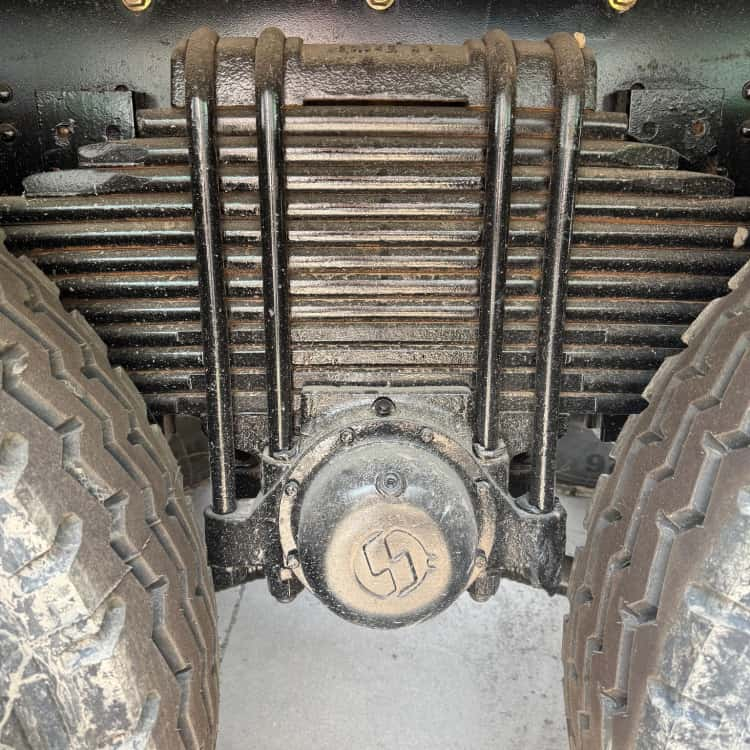
Duty labels guide scheduled maintenance intervals matched to workload
Beyond preventing sudden failures, the classification system sets duty-aligned service schedules. A heavy vocational reman truck gets shorter inspection cycles for frames, kingpins and brake assemblies. A highway-class reman truck follows a less frequent maintenance rhythm. If a truck is incorrectly pushed into heavier work, its service clock no longer matches actual stress, and hidden degradation accumulates between checks. Duty classification aligns inspection cadence with real loading intensity, catching early wear before it escalates into failure.
Closing
Reman trucks can deliver excellent reliability, but they are not infinitely rugged. The reman duty classification system stops the dangerous habit of judging capability by appearance or OEM model alone.
By tying each unit’s permitted workload directly to core inspection, rebuild scope and cyclic test results, REMAN ROAD creates guardrails for dispatch. It reduces safety incidents, preserves warranty validity, stabilises component life and gives fleet managers a repeatable, auditable way to match the right reman truck to the right job.