
Why Reman Braking and Powertrain Standards Improve Site Safety Performance?
Introduction
Construction and quarry sites combine steep gradients, heavy payloads, tight site traffic and frequent stop-start cycles. Braking fade, slipping clutches, erratic transmission shifting and degraded engine torque do not merely create downtime — they create immediate safety risks. Ordinary used trucks often carry gradual, unrecorded wear in these systems; degradation creeps in slowly, so operators may not notice until a dangerous event occurs.
Reman braking and reman powertrain standards rebuild these core systems to repeatable, tested specifications, lifting overall site safety performance beyond what typical second-hand vehicles can deliver.
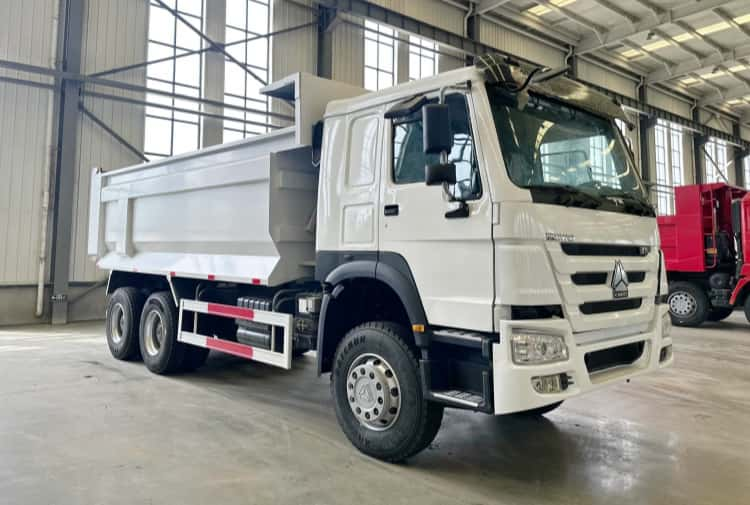
Standardised brake rebuild eliminates fade and unpredictable stopping
Brake performance is non-negotiable for loaded dump trucks descending site ramps. Under repeated heat cycles, worn linings, scored drums, corroded air chambers and leaking valves lead to brake fade, extended stopping distances and uneven side-to-side braking. Reman braking protocols replace or machine friction components, reseal air circuits, calibrate slack adjusters and pressure-test the full air system.
Every reliable reman truck is validated against defined stopping-distance criteria, not just a visual check. This removes the variable “how well will it stop?” risk that haunts uncertified used stock. For site safety teams, consistent braking behaviour means predictable vehicle control, fewer near-misses and safer separation between trucks, workers and fixed site infrastructure.
Powertrain stability reduces sudden loss of control events
The engine, clutch, gearbox and driveline directly influence driver control. A misfiring engine, slipping clutch or delayed transmission shift can rob power mid-climb, stall on an incline, or create unintended jerking under load. Formal reman disassembles, inspects and replaces fatigued powertrain parts according to standard limits.
Bench testing verifies torque output, shift timing and response before road validation. When power delivery is consistent, drivers can maintain steady speed on grades and avoid emergency manoeuvres that often lead to collisions or rollover risks. Unplanned powertrain surges or power loss are among the most underreported site safety triggers, and reman powertrain standards neutralise this hazard.
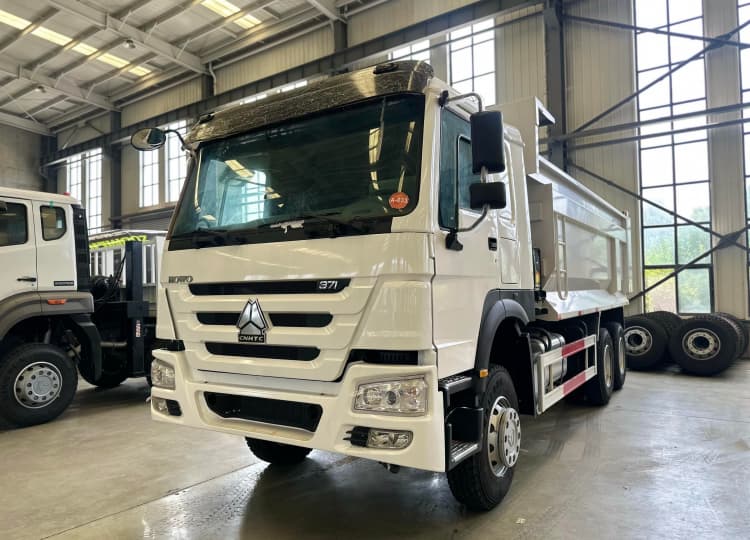
Tested system integration, not isolated part replacement
A common pitfall of casual repair is swapping individual components without validating how systems work together. A new brake chamber paired with worn drums, or a rebuilt engine mated to a fatigued driveline, still creates mismatched performance. Reman standards treat braking and powertrain as linked systems.
Load testing simulates real site operating conditions: full payload, repeated braking cycles and uphill/downhill runs. This integration check ensures the braking system can hold the vehicle against the powertrain’s output, eliminating dangerous mismatches that single-part repairs miss.
Traceable safety records support site governance and training
Site safety audits, mobilisation approvals and insurance reviews require evidence that critical systems are fit for duty. Each reliable reman truck carries documented test results for brake pressure, stopping performance, powertrain output and leak checks.
Safety managers can reference these records in site risk assessments, and drivers can be trained with confidence that the vehicle will behave as expected. Unlike used trucks with unknown service history, reliable reman trucks provide a clear baseline for ongoing safety monitoring and periodic re-inspection.
Conclusion
Reman braking and reman powertrain standards improve site safety not by removing all risk, but by removing performance variability. They turn unpredictable, slowly degrading second-hand systems into assets with proven, repeatable control characteristics. For high-risk construction fleets, this consistent, documented performance is a tangible safety advantage that separates reliable reman trucks from unvetted used alternatives.