
Why Reliable Reman Trucks Reduces The Risk Of Driver Downtime Caused By Vehicle Breakdowns?
Intro
Driver downtime is an often-underestimated fleet cost. When a truck breaks down unexpectedly, the driver is not just idle — they are stuck at a roadside, remote haul route or isolated site. Their scheduled runs, delivery windows and shift plans stop completely. Labour is still paid, but no tonnage is moved.
For long-haul, mining and quarry fleets, this creates cascading scheduling headaches, overtime re-rosters and lost productivity. REMAN ROAD Reliable reman trucks reduces this risk by addressing the root cause: unpredictable latent mechanical failures that strand drivers mid-job.
The Hidden Cost of Driver Stranding
For ordinary used trucks, breakdown timing is unpredictable. A driver may be hundreds of kilometres from the yard, with no immediate replacement vehicle or local workshop support. While waiting, the driver remains on the payroll, but cannot generate revenue. In many cases, the fleet must arrange accommodation, transport the driver onward, or deploy a relief driver.
All these add extra expense and administrative work. If the breakdown happens on a tight delivery schedule, delayed loads can trigger contract penalties, and the driver may face unnecessary pressure. Repeated breakdowns also hurt driver retention, as crews avoid assignments on unreliable trucks.
Reliable Reman Eliminates Latent Defects That Strand Drivers
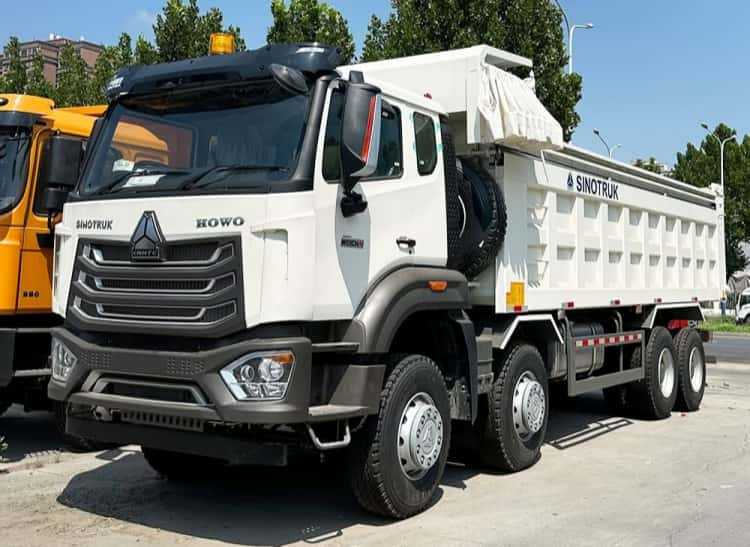
The primary source of sudden in-service breakdowns are hidden fatigue cracks, degraded bearings, compromised seals and inconsistent assembly work that slip through basic visual checks on used trucks. REMAN ROAD reliable reman trucks includes full disassembly, NDT inspection, mandatory consumable renewal and automated bench testing.
These high-risk failure points are identified and fixed before the truck is assigned to a driver. Fewer surprise failures directly reduces the frequency of driver stranding events. Drivers complete routes and shifts as scheduled instead of waiting for emergency repairs.
Standardised Builds Shorten Repair Time If A Fault Occurs
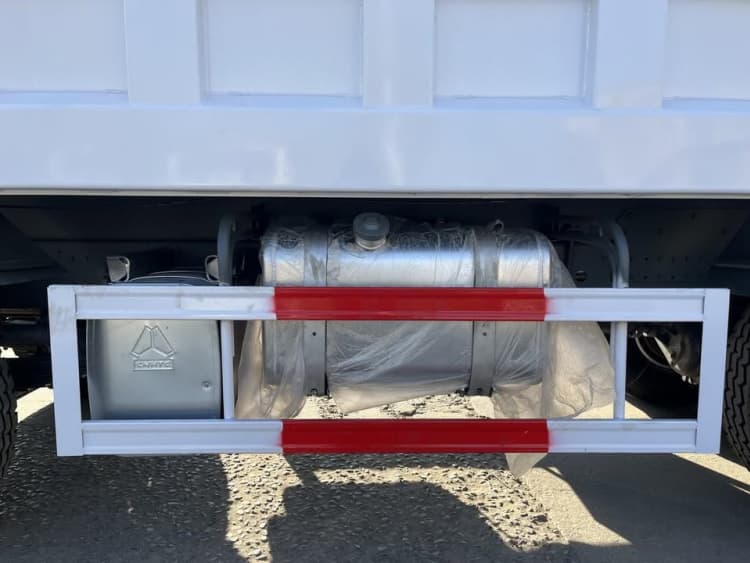
Even with rigorous quality checks, breakdowns cannot be eliminated entirely. The difference lies in how quickly the issue can be resolved. Standardised reman uses fixed, documented parts lists and VIN-bound rebuild dossiers.
Technicians can quickly identify the correct replacement parts and reference torque settings, test data and component history. There is no lengthy diagnosis process hunting for unknown modifications or rare obsolete parts. Faster repair means less waiting time for the driver and a quicker return to service.
Warranty Support Creates Clear, Fast Response Pathways
When a covered rebuild-related failure occurs, the reliable reman trucks warranty defines responsibility and support processes upfront. With uncertified used trucks, a major breakdown often turns into a lengthy dispute: who pays for parts, who sources them, and what repair protocol to follow.
This ambiguity extends waiting time for the driver. With reliable reman trucks, warranty support is pre-negotiated. Approved service kits, technical support and authorised repair channels are already established, cutting down the delay between a fault report and resolution.
Duty Grading and Telematics Prevent Preventable Breakdowns
Many breakdowns happen because trucks are pushed beyond their designed operating limits. Remote sites and long-haul routes often encourage overloading or sustained heavy-cycle operation. Each REMAN ROAD reliable reman trucks carries a clear duty grade, paired with telematics monitoring of payload, engine load, vibration and operating temperature.
Fleet managers can flag abnormal operating conditions early and schedule preventive maintenance during planned stops, before a catastrophic failure strands the driver. This shifts maintenance from emergency roadside events to planned service windows that do not disrupt driver schedules.
Stable Fleet Reliability Simplifies Driver Roster Planning
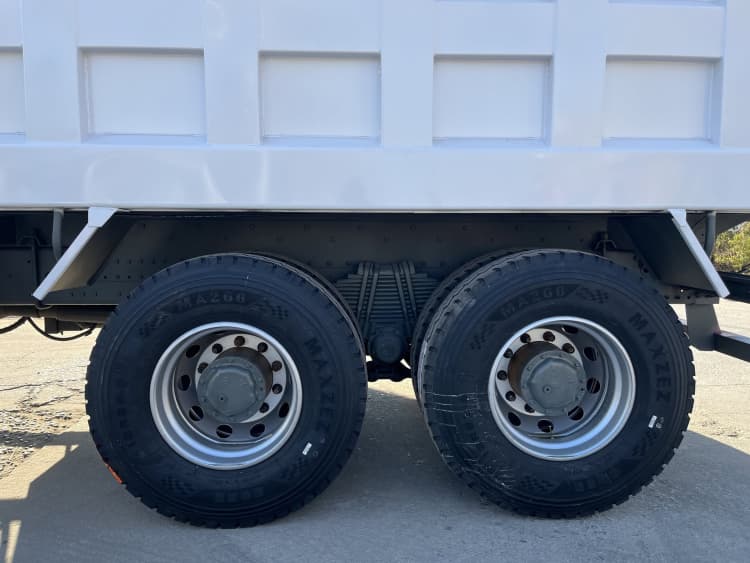
Fleet schedulers rely on predictable asset availability. If a large share of the fleet is high-risk used trucks, planners must build extra buffer drivers and backup vehicles into every shift plan. These buffers are expensive and inefficient. Reliable reman trucks narrows the uncertainty.
Schedulers can assign drivers to routes with confidence, knowing the baseline risk of breakdown is low. Relief driver mobilisation, emergency re-routing and last-minute shift changes become far less frequent.
Boundary Note
Reliable reman trucks does not eliminate all driver downtime. Collisions, fuel contamination, tyre failures and operation outside the assigned duty grade can still cause breakdowns. It removes the avoidable downtime caused by latent defects and inconsistent rebuild quality — the recurring issue that creates repeated driver stranding in fleets running uncertified used trucks.
Q&A
Q: Does this also help improve driver satisfaction? A: Yes. Drivers dislike being stranded on remote routes. Fewer unexpected breakdowns reduce stress and frustration, supporting better driver retention.
Q: What if a relief driver is still required? A: The need for relief drivers is reduced. Relief capacity remains a prudent contingency, but it is no longer required as a constant buffer against frequent mechanical failures.
Q: How does this tie into TCO and tender pricing? A: It removes the volatile “idle driver labour” contingency from cost models. Labour utilisation becomes more predictable, helping build more accurate ton-kilometre rates.
One Comment