
How Systematic Remanufacturing Calibration Standards Maintain Consistent Engine and Gearbox Performance?
Introduction
Engine and transmission performance drift is a common problem in informal rebuilds. Without fixed calibration rules, one rebuilt engine may deliver strong torque while another runs sluggish, burns excess fuel or suffers rough shifting. For fleets operating mixed fleets, this inconsistency creates uneven driver experience, variable fuel consumption and unpredictable maintenance schedules.
REMAN ROAD Systematic remanufacturing workflow applies formal calibration standards for every powertrain rebuild, locking in acceptable tolerances, test sequences and pass criteria. The result is predictable, repeatable performance across all remanufactured engines and gearboxes.
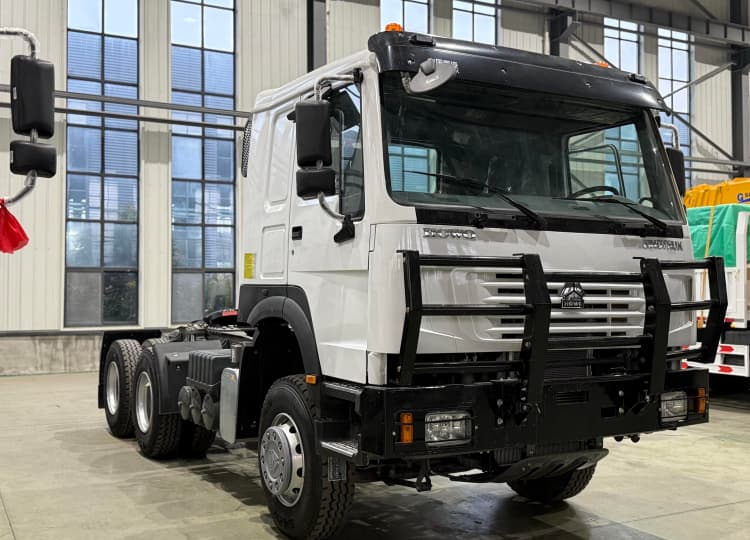
Tolerance-based rebuilding instead of fit-and-hope assembly
Casual rebuilds often rely on technician judgement: parts are cleaned and fitted until they “feel right”. Systematic remanufacturing defines hard dimensional and clearance tolerances for crankshaft journals, bearing clearances, valve lash, piston ring gaps and gear tooth backlash.
Every critical dimension is measured and recorded. If a component falls outside the published range, it is reworked or replaced. This removes human variability. Two technicians working on separate units will follow the same standard, so the finished assemblies start from identical mechanical baselines.
Bench calibration before installation
A core rule in systematic remanufacturing workflow is calibration on the test bench, not only after final truck assembly. Rebuilt engines are mounted on dynamometers to map power curves, torque output, idle stability and exhaust behaviour. Gearboxes are run on dedicated test rigs to verify shift timing, clutch engagement pressure, synchroniser response and oil pressure under load.
Adjustments to fuel delivery, pressure settings and shift solenoid parameters are completed and logged at this stage. Once the unit passes bench validation, it goes into the chassis with its performance already locked in. This catches drift early, before the truck is released to site operation.
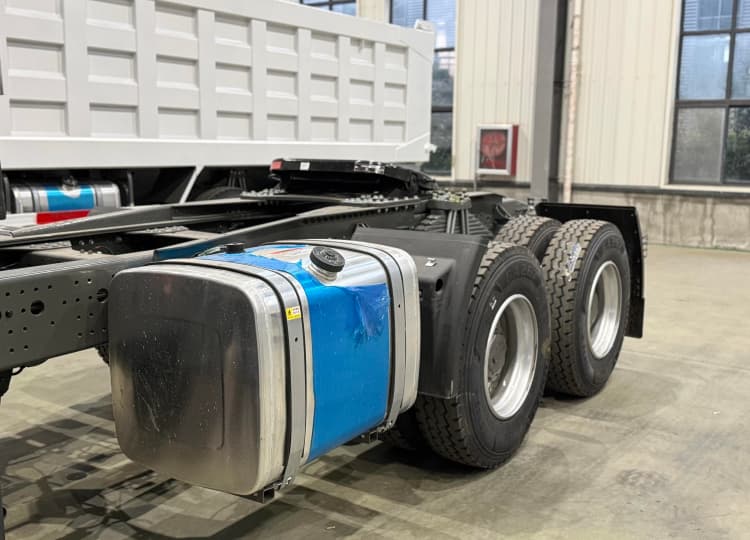
Standardised calibration routines reduce setup variation
Even with identical parts, inconsistent calibration procedure can create performance gaps. Systematic remanufacturing workflow uses fixed, documented setup sequences for fuel injection systems, turbo actuators, pressure regulators and transmission control modules.
Technicians follow the same step-by-step systematic remanufacturing workflow, using calibrated tools that are themselves rechecked on a regular schedule. Torque wrench accuracy, pressure gauges and diagnostic scanners are audited against reference standards. This eliminates variation caused by worn tools, outdated procedure knowledge or shortcut adjustments.
Loaded cycle testing mimics real site operating conditions
Static bench readings are not enough. Calibration standards also include cyclic load testing that simulates the real duty cycle of dump trucks: repeated acceleration, heavy load holding, downhill coasting and frequent gear changes. This reveals hidden issues such as delayed shifts under high torque, fuel surge under transient load or rising oil temperature during sustained haulage.
Units that drift outside the performance band are re-calibrated rather than passed. This ensures the consistent performance seen on the bench survives the harsh operating environment of construction and quarry sites.
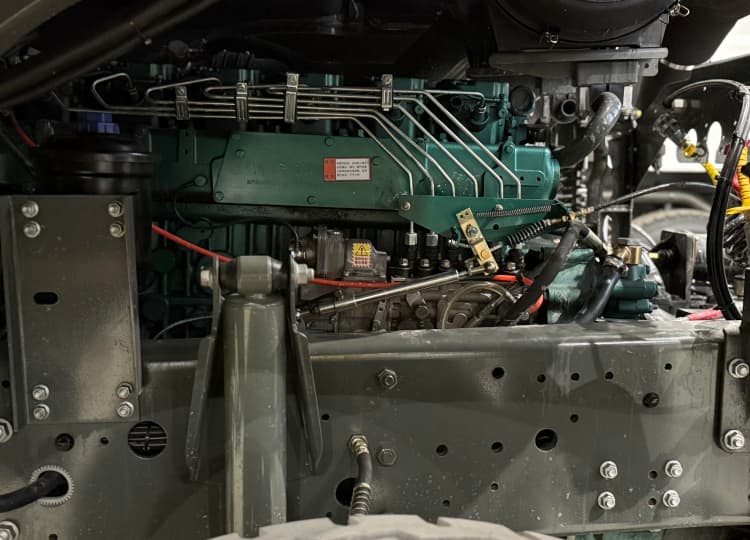
Traceable records enable comparison and continuous improvement
Every calibration result is stored in the reman asset dossier. Fleet managers can review dyno reports and transmission test logs when accepting units. For the remanufacturer, the dataset also flags drift trends: if a batch of gearboxes consistently shows slow upshifts, the standard can be reviewed to adjust tolerances or assembly steps. This closes the feedback loop, so the calibration rules themselves improve over time instead of staying static.
Conclusion
Systematic remanufacturing calibration standards create uniformity by replacing subjective assembly judgement with measured, auditable limits and bench validation. Engine power, fuel response and gearbox shift behaviour become predictable across every reman truck. For fleets, this consistency means simpler driver training, more stable fuel budgets and fewer unexpected powertrain faults.