
Why Systematic Reman Is a Practical Alternative to High-Risk Uncertified Used Trucks?
Introduction
Many fleet buyers turn to uncertified used trucks to cut upfront capital cost, only to discover that the low purchase price masks expensive hidden liabilities. Unknown service history, unreported frame damage, worn powertrain components and cosmetic touch-ups that mask structural faults create a rolling risk of roadside failure, failed site inspections and unexpected repair bills.
Systematic remanufacturing from REMAN ROAD offers a practical middle path: it retains the cost advantage of a second-life asset while removing the blind uncertainty that defines the uncertified used market.
Standardised, auditable rebuild instead of unknown condition
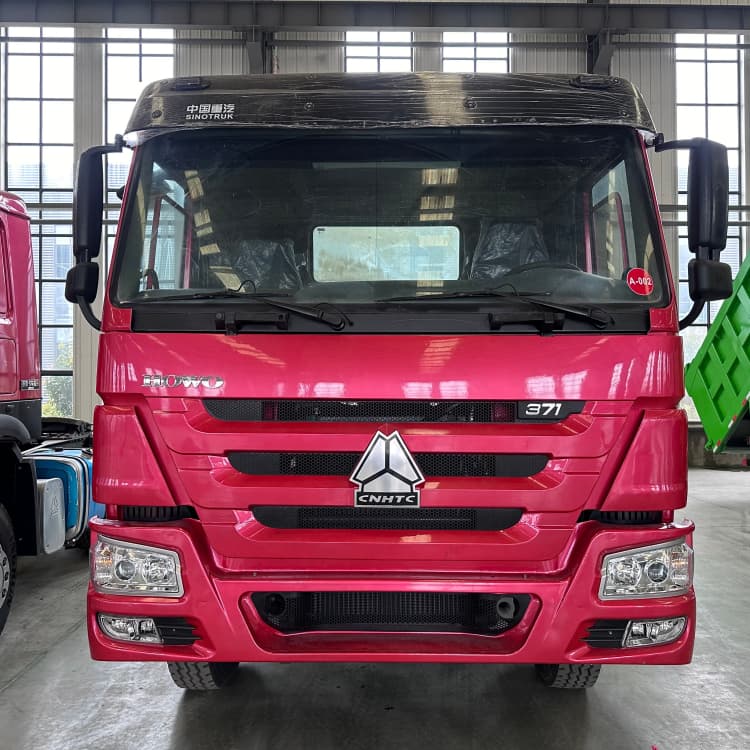
A systematic reman process follows a fixed workflow, starting with core screening and NDT structural audits to reject units with irreparable frame, crack or fatigue damage. Selected trucks are fully disassembled, worn critical components replaced to specification, electrical harnesses renewed, and every system bench-tested before final shakedown runs. Every intervention, component serial number and test result is logged into a traceable digital record.
By contrast, uncertified used trucks are sold as-is. Even an experienced mechanic cannot reliably detect internal engine wear, hidden corrosion or prior crash damage during a quick pre-purchase inspection. What looks like a working truck can fail within weeks of entering a high-load construction or cross-border operation.
Reduced downtime exposure and predictable maintenance
Unplanned downtime is the largest hidden cost of cheap used trucks. For contractors working to tight project schedules, a single breakdown can trigger site delays, rental penalties and lost client trust. Systematic reman process resets the wear baseline of the asset, establishing clear service intervals and known component lifespans.
Fleet planners can build maintenance schedules into their TCO model rather than budgeting for emergency roadside repairs. The inclusion of a formal warranty further shifts risk away from the buyer. Uncertified used units rarely carry meaningful coverage; once the truck leaves the seller’s yard, all repair liability falls on the fleet operator.
Compliance and cross-border readiness
Export fleets and site-based operators face strict regulatory checks covering emissions, braking systems, structural integrity and safety equipment. Uncertified used trucks often lack the proof of condition required for mobilisation approval or customs clearance. When documentation is incomplete, shipments can be held at ports or rejected on-site.
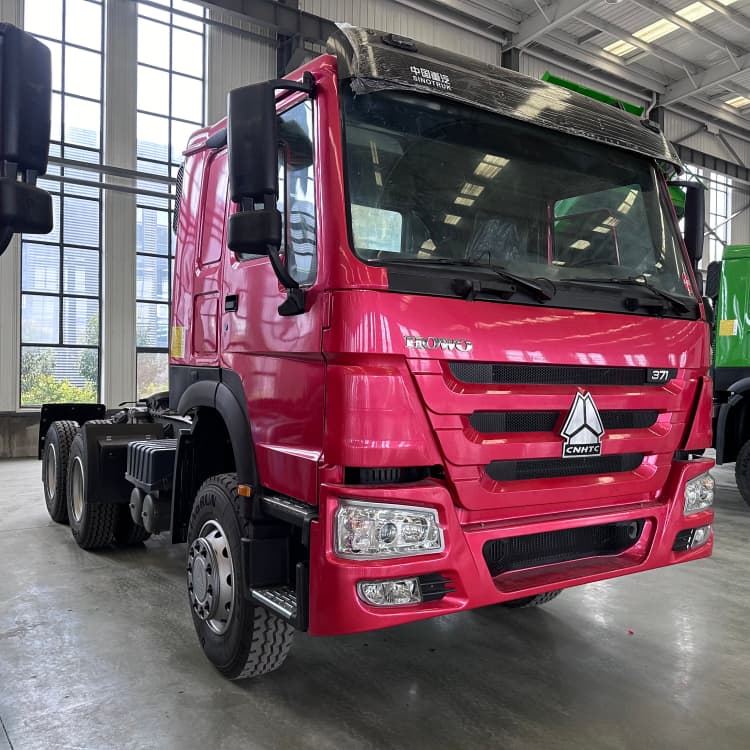
Systematic remanufacturing comes with a complete compliance package, including inspection certificates, emissions test reports and component traceability records. These documents speed up border and site checks, reduce the chance of fines, and make insurance underwriting simpler and more transparent.
Clearer residual value and balanced TCO
While the upfront price of an uncertified used truck is lower, its residual value is volatile. Buyers in the secondary market discount heavily because nobody can verify its rebuild history. A systematic reman truck carries verifiable provenance, so it holds value more consistently when the fleet rotates or resells assets.
This creates a more predictable depreciation curve and improves ROI modelling for finance teams. It also lets operators scale project fleets without committing to the premium pricing and long lead times of new trucks.
The practical choice for risk-conscious fleet strategy
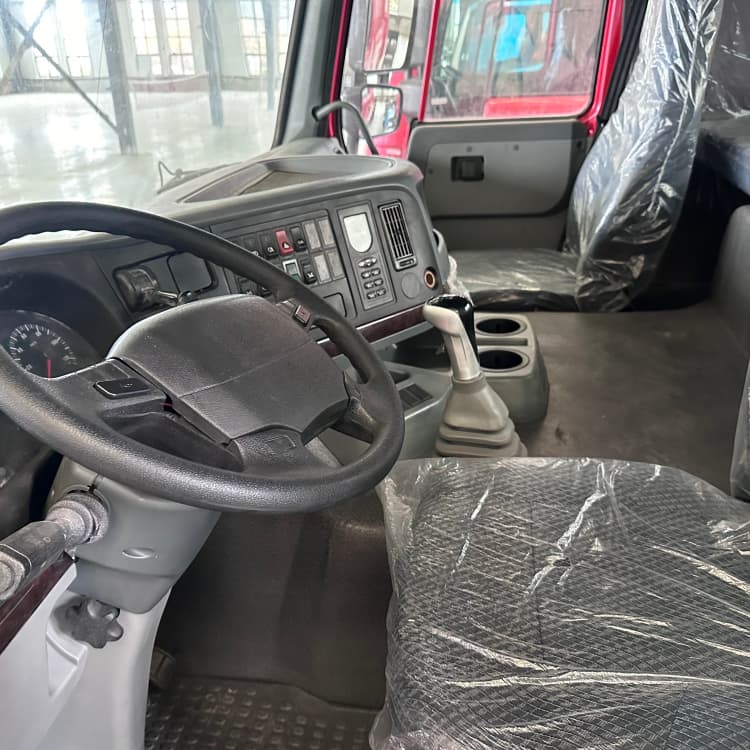
Systematic reman truck is not just a “better used truck”. It is a controlled asset reset that separates second-life value from second-hand risk. It suits operators who need flexible fleet capacity, want to stay within capital budgets, and cannot afford the operational disruption that comes with rolling the dice on unknown used stock. For many construction, mining and export-focused fleets, systematic remanufacturing is the most practical alternative to the high-risk, undocumented used-truck market.
4 Comments