
Why Documented Remanufacturing Gives You Verifiable Proof of Condition for Resale Negotiations?
Introduction
Reselling heavy-duty trucks often turns into a standoff between seller claims and buyer suspicion. Buyers of used heavy vehicles naturally assume hidden wear, prior damage or cut corners, and they discount offers heavily to account for unknown risk. Oral descriptions or basic service slips carry little weight.
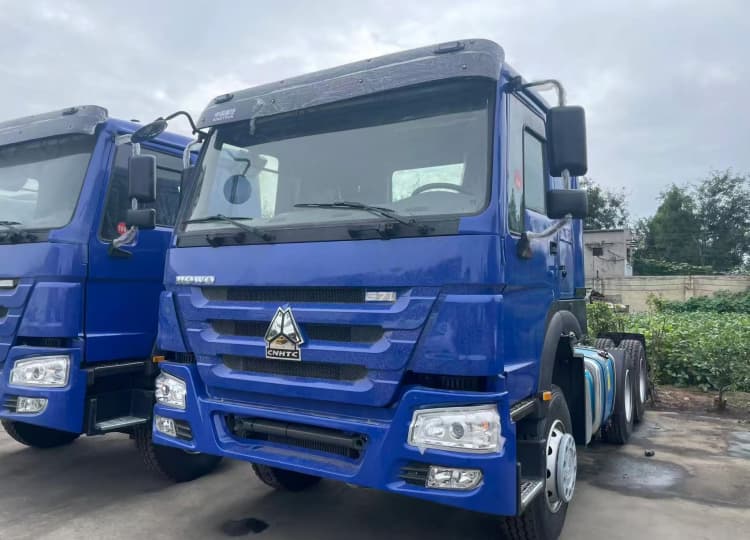
REMAN ROAD documented remanufacturing changes this dynamic. Every reman step, test result and third-party audit is preserved in a traceable asset reman dossier. Instead of arguing about what might be wrong, you can present verifiable proof of condition, which stabilises pricing and streamlines resale negotiations.
Paperwork replaces subjective buyer suspicion
A regular used truck sale relies heavily on trust. Buyers will push prices down because they cannot confirm whether the frame has unseen fatigue, if the engine was rebuilt properly, or if brake and hydraulic systems were only cosmetically touched up.
With documented remanufacturing, the reman step record package includes NDT structural reports, powertrain bench test data, brake performance validation, component serial numbers and warranty history. These are objective outputs, not opinions. Prospective buyers or their surveyors can cross-check the test criteria against the published reman standard. This removes the biggest buyer leverage point: uncertainty.
Standardised records reduce survey delays and re‑inspection costs
Most serious fleet buyers or export dealers commission their own independent survey before purchase. If the vehicle has no formal reman dossier, surveyors must spend extra time probing for hidden defects, and buyers often delay offers until their inspection is complete. Documented remanufacturing records act as a pre‑validated baseline.
Survey teams can focus on spot checks rather than a full, time-consuming deep investigation. Faster surveys mean faster decision-making, and fewer last-minute price cuts triggered by unexpected findings during inspection.
Proof of reset lifecycle supports stronger residual value arguments
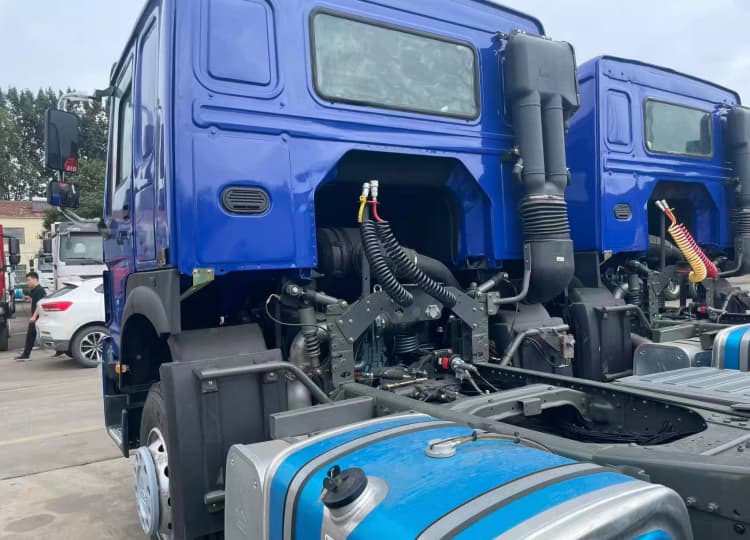
A key negotiation point is remaining service life. Sellers of ordinary used trucks struggle to prove where the asset sits on its wear curve. Documented remanufacturing establishes a clear lifecycle reset point. The reman dossier shows when the rebuild was completed, which high-wear assemblies were renewed, and what performance benchmarks were achieved.
You can demonstrate that the truck entered a new service cycle, rather than continuing an ageing, unknown one. This gives you a solid foundation to resist lowball offers built on the assumption that the truck is near end-of-life.
Consistent documentation works for cross‑border resale
For export-focused resale, proof of condition is even more critical. Overseas buyers, customs agents and local site regulators require evidence of safety and structural compliance.
Generic used trucks often fail mobilisation checks because they lack traceable records. A complete reman dossier translates easily across markets, as the test standards and audit trails are uniform. It reduces the risk that a buyer will back out or renegotiate after shipment, once local inspections begin.
Clear accountability reduces post‑sale disputes
Negotiations also include unspoken risk allocation: who pays if a major fault emerges shortly after sale. When reselling a reman truck with full reman dossier, the boundaries of the rebuild scope are clearly defined.
Buyers understand what was tested, replaced and certified, and what falls under normal operational wear. This reduces the threat of post‑delivery claims, which often force sellers to accept price concessions. Knowing the evidence trail exists makes both sides more comfortable reaching a final agreement.
Conclusion
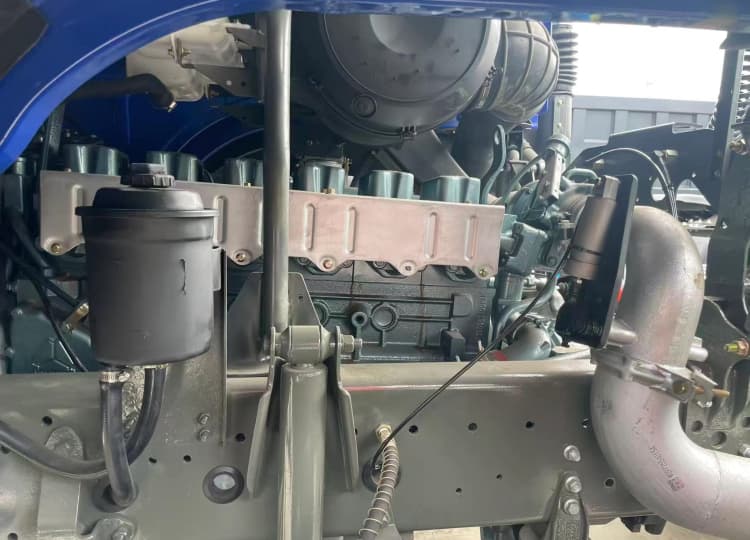
Documented remanufacturing does not guarantee maximum resale price every time, but it removes the information asymmetry that tilts negotiations against the seller. It turns vague claims about vehicle condition into verifiable, auditable evidence. For fleet operators rotating assets, this means less haggling, fewer lowball offers, shorter sales cycles and more predictable residual returns.