
Why Heavy Remanufactured Truck Reduces The Risk of Costly Liquidated Damages From Project Delays?
Introduction
Construction and mining project contracts commonly include liquidated damage clauses, which set fixed financial penalties when milestones slip. Many delays trace back to haul fleet failure: a sudden truck breakdown reduces payload throughput, slows material movement and cascades into missed earthworks, concrete pouring or site handover deadlines.
Sourcing new trucks carries long lead times, while uncertified used trucks carry high odds of unplanned downtime. Certified heavy remanufactured truck addresses this exposure by delivering pre-tested, warranty-backed assets with a known reliability baseline, helping contractors avoid the expensive contractual penalties triggered by haul chain disruption.
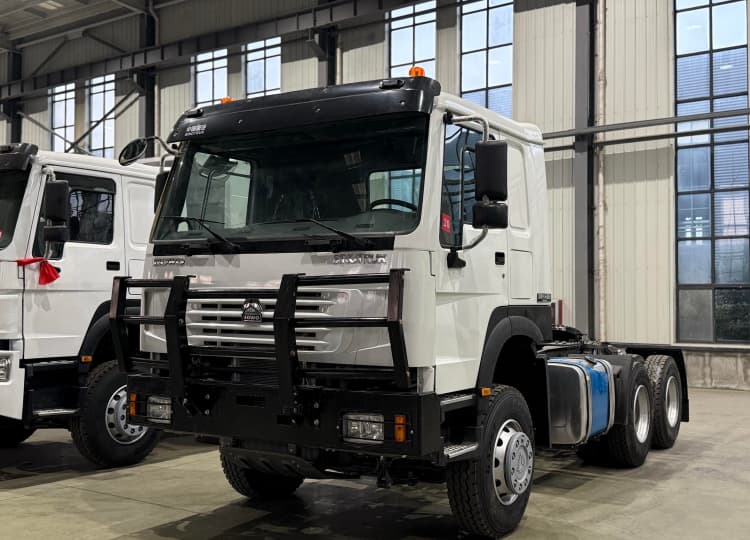
Lower unplanned downtime reduces delay triggers
Liquidated damages are rarely triggered by one minor hiccup. They stem from sustained loss of haul capacity. A single critical dump truck failure can bottleneck the entire material flow, especially on sites with slim fleet margins and no spare standby units.
Certified heavy remanufactured trucks go through NDT structural screening, powertrain bench testing, brake system validation and load cycling before release. Hidden fatigue, worn injectors, slipping drivelines and fading brakes are resolved before the truck enters site service.
This reduces the frequency of roadside failures that stop production and start the clock on contractual penalties. Unlike unvetted used stock, certified heavy remanufactured trucks are built to a reset wear baseline, so breakdown risk is measurable and far more contained.
Fast availability provides rapid replacement capacity
When a project hits a surge requirement or an existing truck fails, waiting weeks for a new truck is often too slow. If the fleet cannot restore haul capacity quickly, the project timeline slips and liquidated damages begin accruing. Standardised certified heavy remanufactured trucks programmes maintain a pipeline of ready units.
Lead times are much shorter than factory orders, allowing contractors to plug capacity gaps immediately. This fast access to backup haul assets is a direct risk mitigation tool; it prevents a single vehicle fault from turning into a multi-day site shutdown.
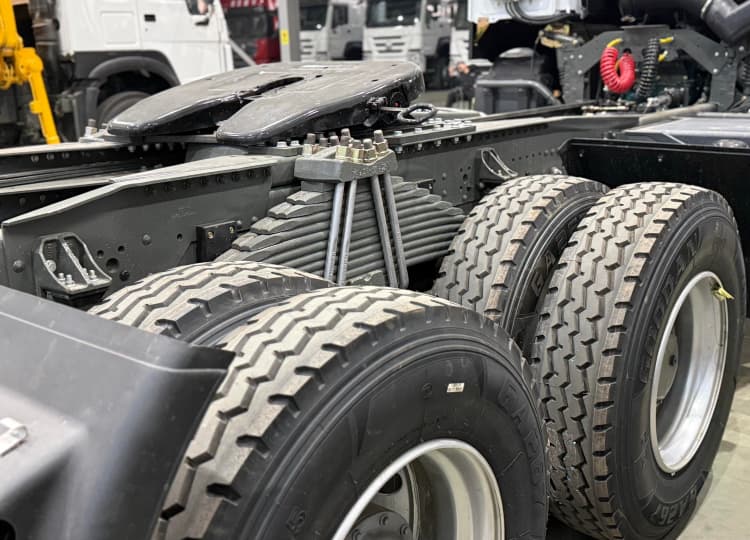
Predictable maintenance schedules help avoid planned outages turning into delays
Informal fleets often run trucks until they fail, treating maintenance as a reaction. Reman comes with a defined service schedule based on the rebuild reset point. Fleet managers can schedule service during low‑activity windows, such as shift change or weekend downtime, instead of facing catastrophic failures that strike during peak production hours.
Planned maintenance eliminates the surprise, high-impact outages that are the most common cause of throughput loss. The predictable service cycle lets project planners align fleet availability with critical milestone dates.
Auditable condition and warranty reduce secondary delay risks
Even after a breakdown, repairing a used truck can create further delays. Parts hunting, diagnostic uncertainty and disputes over who covers repair cost can keep the vehicle offline for extended periods. Certified certified heavy remanufactured trucks includes formal warranty coverage and documented component specifications.
If a covered issue occurs, the repair pathway is predefined, parts are compatible, and support is streamlined. This shortens repair turnaround time. The traceable test dossier also satisfies site safety and mobilisation teams quickly, so repaired or replacement trucks can re-enter operation without lengthy re‑survey delays.
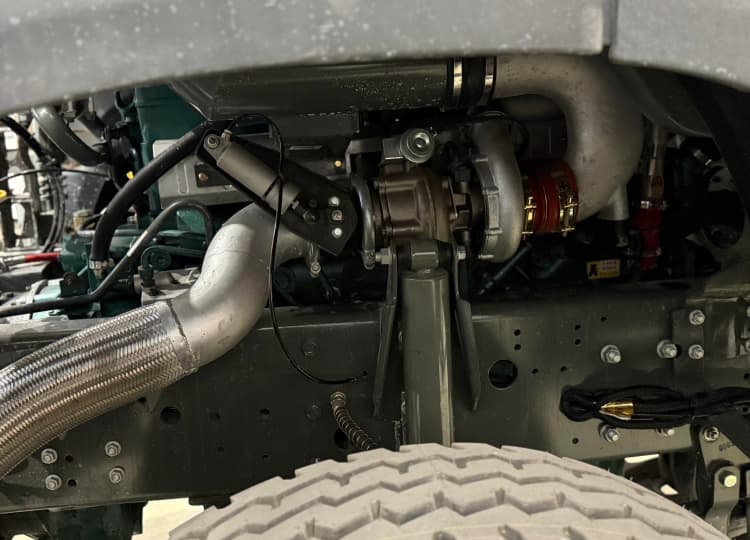
Stable fleet performance protects the critical path
On tightly scheduled projects, the haul fleet sits on the critical path. Every hour of lost hauling capacity pushes subsequent activities backward. Certified heavy remanufactured truck does not eliminate all operational risk, but it stabilises the reliability of the fleet layer that keeps the critical path moving.
Contractors can build schedules around a more consistent uptime assumption, rather than budgeting for constant emergency fleet contingencies. This improves confidence in timeline commitments and reduces the chance of triggering penalty clauses when the project is audited against contract milestones.
Conclusion
Certified heavy remanufactured truck reduces liquidated damage risk by attacking the root cause: unpredictable haul fleet downtime. It combines reliable pre‑validated assets, fast standby capacity and structured maintenance to keep material movement on track.
For contractors bound by strict project deadlines, certified heavy remanufactured truck’s reliability is not just an operational benefit; it is financial protection against expensive contractual penalties.