
How Standardized Truck Reman Reduces Guesswork in Fleet Procurement Decisions?
Introduction
Fleet procurement for heavy-duty trucks has long been filled with guesswork. When buying ordinary used trucks, teams must judge condition from limited visual checks, incomplete service logs and seller descriptions. Hidden frame fatigue, degraded powertrain parts or prior accident damage often stay invisible until after purchase. REMAN ROAD standardized truck remanufacturing removes much of this uncertainty by applying repeatable, documented rebuild standards. It gives procurement managers clear, comparable asset data to support faster, lower-risk buying decisions.
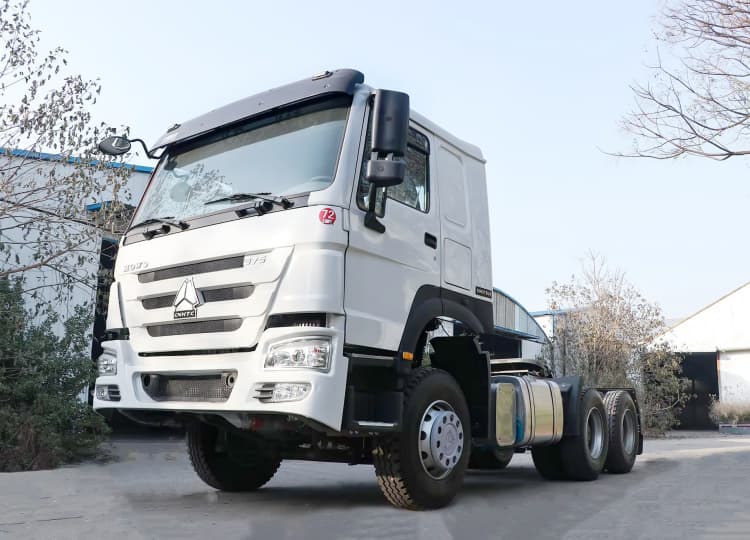
Consistent quality baseline across every unit
Standardized truck remanufacturing follows a fixed workflow, not a case-by-case cosmetic refresh. Each truck goes through core screening, NDT structural inspection, component replacement according to defined specs, system bench testing and final road validation. Every reman truck is rebuilt to the same performance benchmark, so buyers can compare trucks on equal terms.
In contrast, regular used trucks vary wildly: one unit may have a well-maintained engine while another has neglected drivetrain wear, with no simple way to tell before failure. Standardized truck remanufacturing means the buyer no longer guesses whether the truck is “good enough”.
Full traceable documentation for side-by-side comparison
Standardized truck remanufacturing delivery includes structured records: test reports, component serial numbers, inspection logs and warranty terms. Procurement teams can evaluate multiple candidate assets using the same checklist, rather than piecing together inconsistent information from different sellers.
This simplifies tender reviews, budget approvals and internal governance sign-off. Finance and risk teams can trust the supporting evidence, instead of treating each purchase as a judgement call based on limited information.
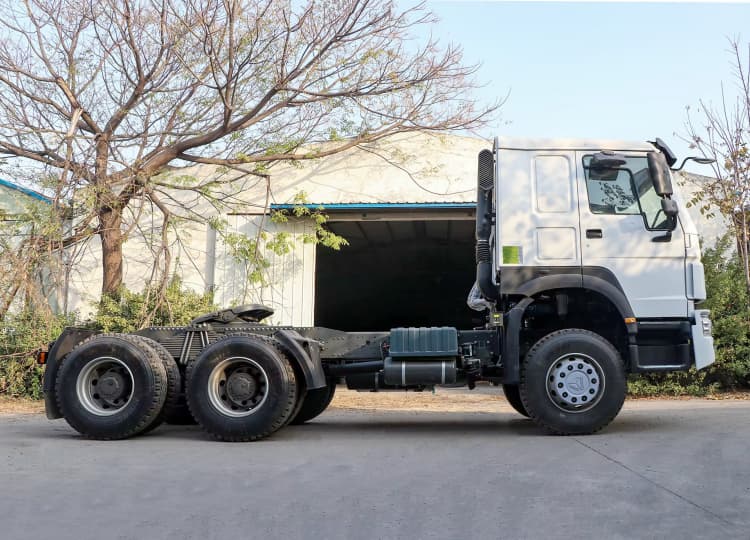
Predictable TCO modelling instead of unknown repair exposure
A major procurement guess is forecasting future costs. Cheap used trucks often come with unknown remaining service life, making maintenance budgets unreliable. Standardized truck remanufacturing resets the wear cycle and establishes scheduled service intervals.
Procurement teams can plug verified lifespans and warranty coverage into TCO models, calculating running costs and downtime risk with far more confidence. This eliminates the common gamble of choosing a low sticker price while hoping expensive failures do not happen mid-project.
Clear risk classification for matching assets to jobs
Standardized truck remanufacturing programmes usually assign each truck to a defined operating profile, such as heavy construction haulage, highway transport or short-term project deployment.
Procurement can match the verified capability of a reman truck directly to the job requirement, instead of guessing whether a used truck will hold up under the target load and cycle. This reduces mismatches: overbuying premium capacity for light work, or underbuying and facing early breakdowns.
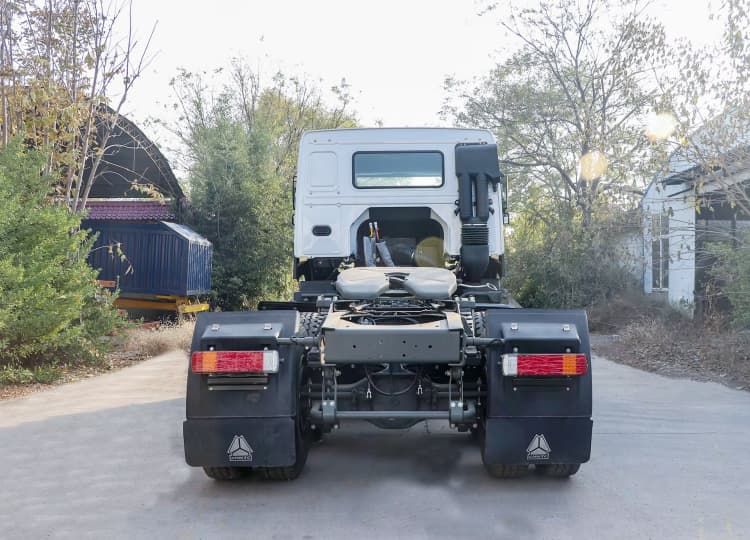
Simplified residual value and exit planning
Procurement decisions also rely on knowing how an asset will depreciate and resell later. Standard, documented reman trucks carry transparent provenance, so their residual value is easier to forecast.
By contrast, unstandardised used trucks carry heavy resale uncertainty, as future buyers will also distrust unknown history. This makes portfolio planning, lease structures and trade-back arrangements much easier to model.
Conclusion
Standardized truck reman does not remove every procurement risk, but it eliminates the guesswork that dominates traditional used truck buying. It shifts decisions from subjective assessment to evidence-based selection, which is especially valuable for fleet managers balancing tight budgets, project deadlines and governance requirements.