
Why Standardised Remanufacture Supports Incremental Fleet Growth Instead Of Large, Lump-Sum Purchases?
Intro
Large lump‑sum fleet purchases force you to forecast demand far into the future. You commit capital to a full batch of trucks upfront, long before contracts are confirmed or haul volumes stabilise. If call‑offs fall, sites pause or tender wins are delayed, you are stuck with idle, financed assets draining cash.
Qualified standardised remanufacture removes this pressure. Its standardised reman pipeline, predictable lead times and consistent duty‑grade performance let you scale step by step: add units only when you have confirmed work, without sacrificing fleet homogeneity or compliance.
How standardised remanufacture supports incremental, phased fleet growth?
Low per-unit capital outlay removes the barrier to small batch additions
New trucks require large down payments and finance commitments, so operators tend to buy in big batches to justify the procurement effort. REMAN ROAD standardised remanufacture has substantially lower entry cost. You can add two, three or five units at a time as demand ramps up, rather than being forced into a 20‑truck lump‑sum order. Each incremental purchase stays cash‑flow friendly, and you only deploy capital when revenue is secured.
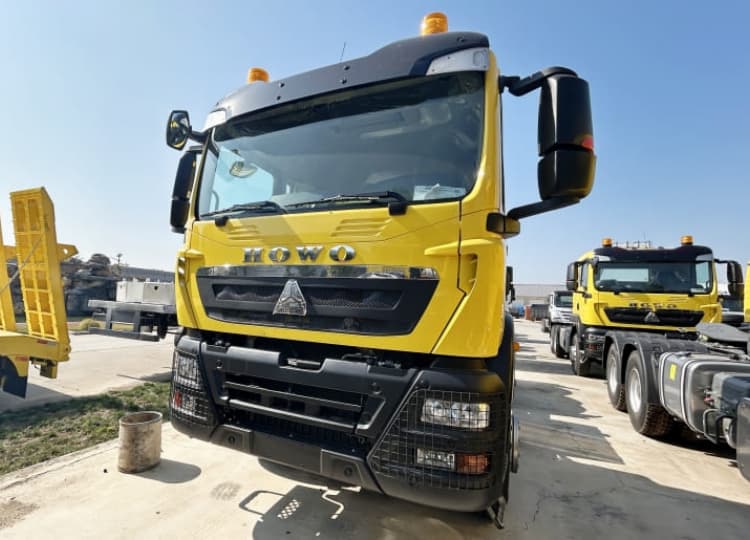
Staggered delivery matches phased project mobilisation
Infrastructure and mining frameworks often ramp up gradually: site access, earthworks, haulage and peak delivery phases happen in sequence. New OEM lead times are long and usually fixed for large orders. Standardised reman stock pools are processed on a continuous workflow. You can schedule deliveries to align with phase‑by‑phase mobilisation. Month one add backup units; month three add production haulers; month six add peak support units. No need to take delivery of the whole fleet on day one.
Same unified acceptance criteria, even when purchased in separate batches
The biggest risk of piecemeal buying is quality drift: first batch from one rebuilder, later batches from another, with inconsistent standards. All REMAN ROAD standardised reman vehicles follow documented reman pipeline, identical acceptance gates, NDT requirements, mandatory consumable renewal and test profiles.
Whether you buy five trucks this quarter and another six next quarter, they integrate seamlessly into one homogeneous fleet. Maintenance schedules, spare parts, insurance and audit documentation remain consistent.
Growth is tied to proven revenue, not speculative demand
Lump‑sum buying is based on forecast demand. Incremental reman buying is based on actual call‑off volumes and earned revenue. You can test a new site or contract with a small reman fleet, validate cycle times, fuel burn and downtime performance, then add more standardised reman vehicles once the business case is confirmed. If the work slows or the tender is reduced, you stop purchasing with no stranded large‑asset exposure.
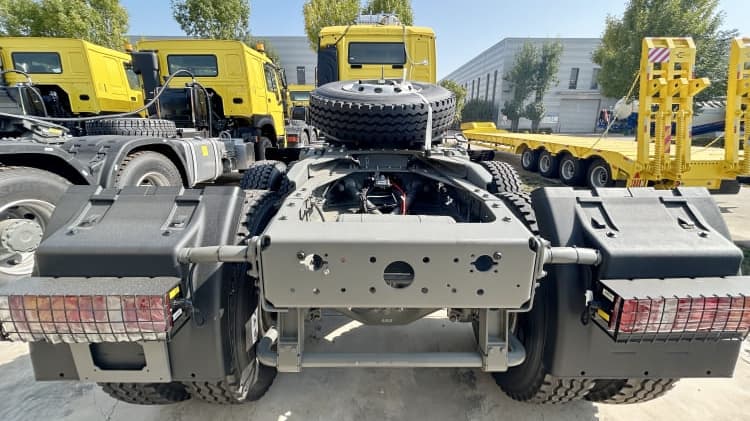
Warranty and residual value reduce the risk of early exit
When you buy incrementally, some units may only be needed for a short window. New trucks carry heavy depreciation if resold quickly. Certified standardised remanufacture has a known residual curve and transferable VIN dossier. At the end of a phase, excess units can be resold, reallocated to another site or returned under agreed terms. Each small batch carries limited downside compared to liquidating a large lump‑sum fleet all at once.
Workshop and support capacity can scale in lockstep
A big one‑time fleet delivery instantly overwhelms fixed workshop capacity, spares storage and technician bandwidth. With incremental reman growth, maintenance teams, spare parts inventory and bay utilisation grow slowly alongside the asset count. You avoid the spike in workload that creates rushed servicing, missed inspections and breakdown backlogs. The workshop adapts at the same pace as the fleet.
Tender and client approval cycles become easier to manage
Large lump‑sum fleet submissions require full pre‑qualification for the entire batch up front. Phased reman rollout lets you submit the first tranche for client HSEQ, insurance and audit approval, prove compliance, then add further units using the same certified standard. The client’s approval process is lighter, and you avoid waiting for sign‑off on a huge asset package before starting work.
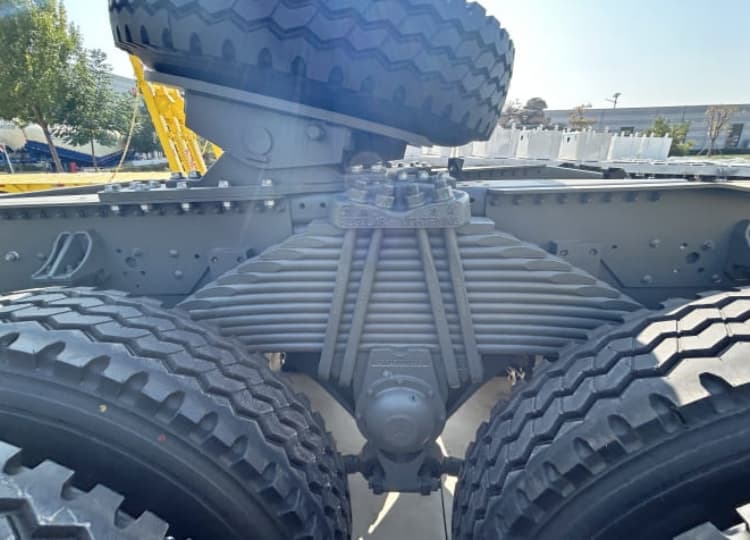
Financial exposure is contained per tranche
Financing, insurance, registration and ongoing fixed costs are added gradually. If interest rates shift, contract margins compress or site risks emerge, you limit your exposure to only the units you already purchased. You do not carry the finance burden of dozens of trucks while waiting for them to become productive.
Boundary Note
Incremental reman growth still requires discipline. You must stick to the same duty grading and QA standard across batches, and plan lead times so you do not fall short when haul demand spikes. Standardised remanufacture does not eliminate procurement or holding costs, but it removes the all‑or‑nothing risk of lump‑sum new‑truck procurement.
Q&A
Q: Will separate batches have different pricing or quality? A: Published standardised specs lock the quality baseline. Pricing may shift with market conditions, but the acceptance criteria and test scope remain consistent for the same duty grade.
Q: What if I suddenly need a large batch quickly? A: The reman pipeline can scale up for accelerated orders, but the incremental model is designed for steady, demand‑linked growth rather than one‑time emergency bulk replacement.
Q: How to phrase this in tender methodology? A: Certified standardised reman vehicles support phased, incremental fleet expansion, with staggered deliveries tied to confirmed work volumes, reducing upfront capital exposure and the risk of overinvesting in speculative lump‑sum vehicle purchases.