
Why Authentic Reman Lowers the Virgin Raw Material Footprint of Your Haul Fleet?
Intro
Building a brand-new heavy truck consumes enormous volumes of virgin raw materials: mined iron ore for steel frames, aluminium for engine housings, refined alloys for crankshafts, rubber for tyres and petrochemical feedstock for plastics. For haulage contractors scaling large fleets, every new truck added directly expands the business’s raw material footprint, which is increasingly tracked in ESG reports, tender sustainability scoring and supply chain disclosures. Informal refurbishment often only swaps out broken parts without systematic core recovery, delivering minimal material savings.
Authentic remanufacturing as defined by REMAN ROAD is engineered around core asset retention. It preserves structurally viable base components through full disassembly, inspection, targeted renewal and precision testing, cutting the need to extract, process and fabricate brand-new parts and delivering measurable reductions in virgin material consumption for your haul fleet.
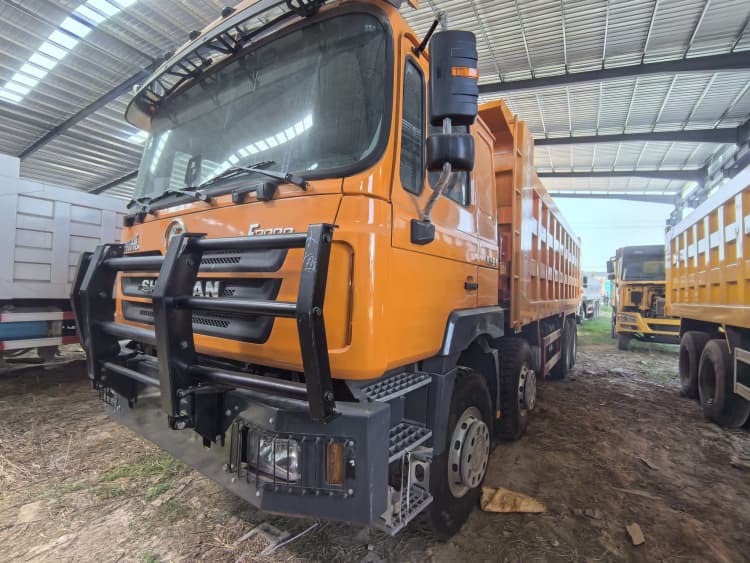
Retains high-value, material-intensive core assemblies
The largest raw material investment in a heavy truck sits within long-life core assets: chassis frame, engine block, cylinder head, axle housings and transmission casings. These components require energy-intensive mining, smelting, casting and forging to produce from scratch.
REMAN ROAD authentic reman process first screens these cores with NDT non-destructive testing to confirm structural integrity. Qualified cores are retained, cleaned, machined to restore original tolerances and reassembled, rather than scrapped and replaced with newly manufactured equivalents. This avoids repeating the entire raw material supply chain for the most resource-heavy parts of the vehicle.
Targeted part replacement avoids blanket component discard
New truck production replaces every component by default. Even authentic reman process does renew wear parts such as bearings, seals, gaskets and brake linings, but it does not discard functional assemblies prematurely. The standardised inspection protocol differentiates between parts that have reached end-of-service life and those that remain fit for continued duty.
This granular, evidence-based replacement model eliminates the wasteful “all-new” approach. Over a fleet portfolio, this selective renewal compounds into meaningful reductions in virgin metal, rubber and fluid consumption compared to expanding capacity exclusively with factory-new trucks.
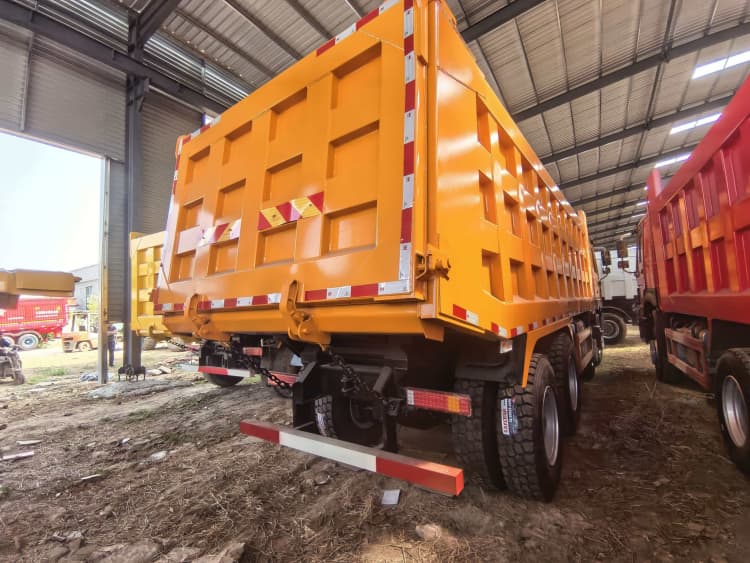
Reduces cascading demand across upstream material supply chains
Virgin raw material footprint extends beyond the truck itself. Steel mills, foundries and component factories require fuel, water and mineral reserves to meet production orders. Every reman truck that substitutes for a new truck lowers downstream order volume to these suppliers.
For fleet operators reporting scope 3 emissions and resource use, authentic remanufacturing provides a practical lever to reduce indirect material-related impacts. Unlike vague sustainability claims, REMAN ROAD’s traceability records document exactly which core assemblies were reused, enabling transparent calculation of avoided virgin material use for ESG reporting and tender submissions.
Distinct from superficial repair and cosmetic rebuilds
A critical distinction separates authentic reman from low-end refurbishment. Cheap informal rebuilds often discard large reusable cores out of convenience or lack of testing capability, simply swapping in cheap aftermarket new parts. They deliver almost no raw material savings.
REMAN ROAD authentic reman process prioritises core preservation as a foundational requirement. Cores are treated as valuable circular assets, with repair limits, machining allowances and rejection thresholds clearly defined. This ensures material savings are real, not just marketing greenwashing.
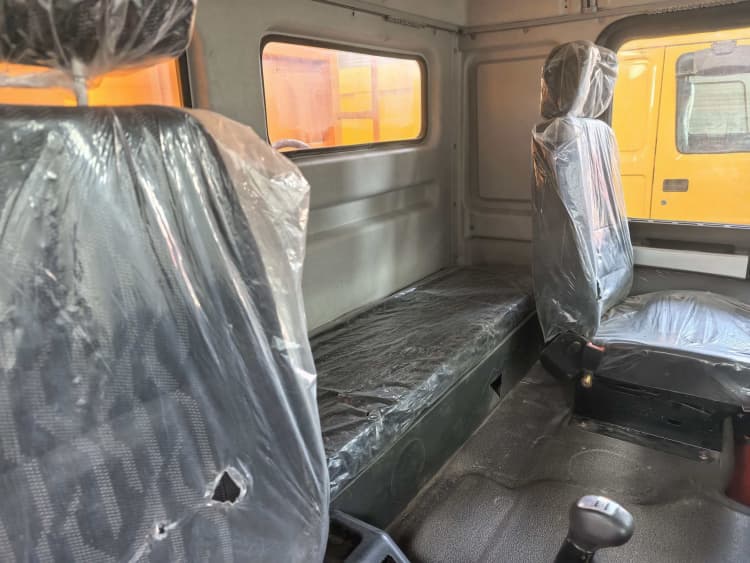
Supports circular fleet strategy without sacrificing operational reliability
Many fleet managers associate raw material reduction with compromised equipment performance. Authentic remanufacturing balances circular material goals with strict engineering standards. Reused cores must pass load testing, dimensional verification and third-party validation before reintroduction into service.
Haul operators can cut virgin material footprint while maintaining the uptime, safety and warranty performance required for heavy site and long-distance transport. This makes authentic remanufacturing a practical ESG measure rather than a trade-off against operational productivity.
Closing
Authentic remanufacturing shrinks your haul fleet’s virgin raw material footprint by keeping resource-intensive core components in active service, replacing blanket new-component procurement with targeted, inspected part renewal.
REMAN ROAD authentic reman process turns core retention into auditable, reportable resource savings. For haulage and infrastructure contractors, this offers a tangible, credible circular economy pathway to scale fleet capacity while easing pressure on finite mineral and industrial material resources.