
Why Industrial Reman Truck Helps You Avoid Steep Early Depreciation of Brand-New Trucks?
Introduction
New heavy-duty trucks suffer from steep early depreciation, a major hidden cost many fleet managers underestimate. The moment a brand-new truck enters active service, it loses a large portion of its purchase value, driven by OEM premium pricing, warranty phasing and market perception of “used status”.
Industrial reman trucks certified under REMAN ROAD reset the vehicle’s functional lifecycle at a much lower entry price point. They deliver tested, reliable performance while bypassing that punishing initial depreciation cliff, creating a much gentler value curve for asset planning.
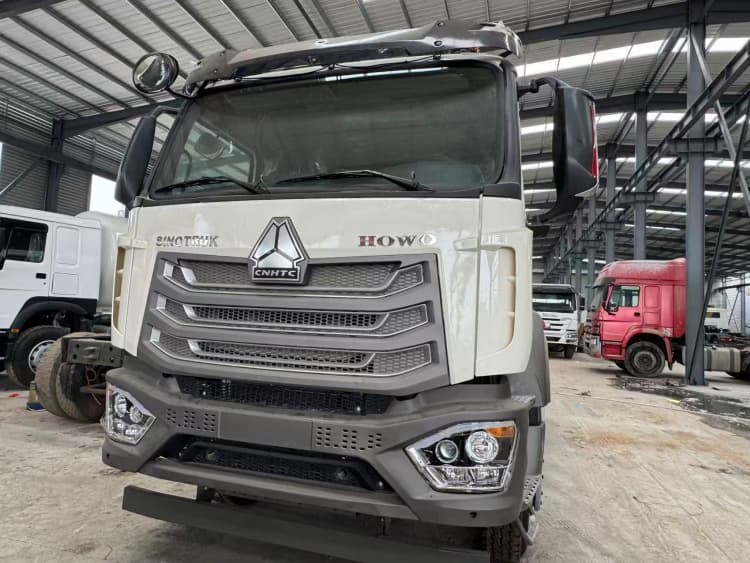
The Mechanics of Early Depreciation on New Heavy Trucks
Heavy truck depreciation is not evenly spread across ownership years. The largest drop typically hits in the first one to two years. Buyers pay for factory margins, latest-model branding and full OEM warranty, but once the truck accumulates site hours, mileage and site wear, secondary market buyers will no longer pay new-vehicle prices. Even with careful maintenance, the residual value falls rapidly.
For fleets that rotate assets or may resell within a few years, this loss directly erodes returns and pushes up the total cost of ownership. Financing arrangements amplify the pain, as loan balances can quickly outpace the truck’s market value.
Industrial Reman Trucks Start on a Flatter Depreciation Curve
A validated industrial reman truck already carries a lower base acquisition cost from day one. Its value baseline is established after full rebuild, NDT structural inspection, dyno validation and formal performance testing.
There is no large “new-to-used” drop waiting after first deployment. Instead of losing massive value immediately, the asset depreciates gradually based on duty cycle, service records and documented condition. The depreciation slope is far more predictable, easier to model in budget spreadsheets and less likely to generate unexpected equity losses when the fleet decides to dispose of it.
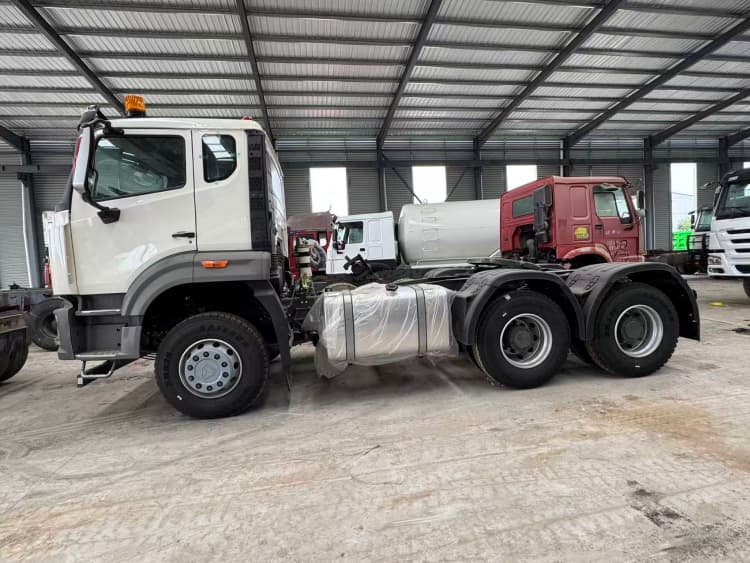
Verified Reman Records Support Stable Residual Value
Ordinary used trucks depreciate faster because buyers cannot confirm what repairs were done, which components were replaced and whether hidden fatigue exists. REMAN ROAD industrial reman trucks come with complete verified reman traceable documentation, listing rebuild scope, test results and duty classification.
This audit trail gives future buyers confidence. When you resell the truck later, the verified reman history protects its market value, unlike undocumented used equipment that buyers heavily discount to account for unknown risks. This documentation is the key difference between slow, stable depreciation and rapid value erosion.
Matches High-Wear Industrial Work Without Destroying Asset Value
Construction, quarry and earthmoving applications are harsh environments. New trucks assigned to tipper and haulage work take heavy site wear, and that abuse accelerates the early depreciation hit. Industrial reman trucks are purpose-classified for these demanding duty cycles from the start.
Operators do not risk throwing a high-value new asset into rough, high-impact work. The industrial reman truck absorbs site wear while its residual value remains aligned with its lower entry price. This lets fleet managers deploy capacity where it is needed most without exposing high-value new capital to rapid degradation.
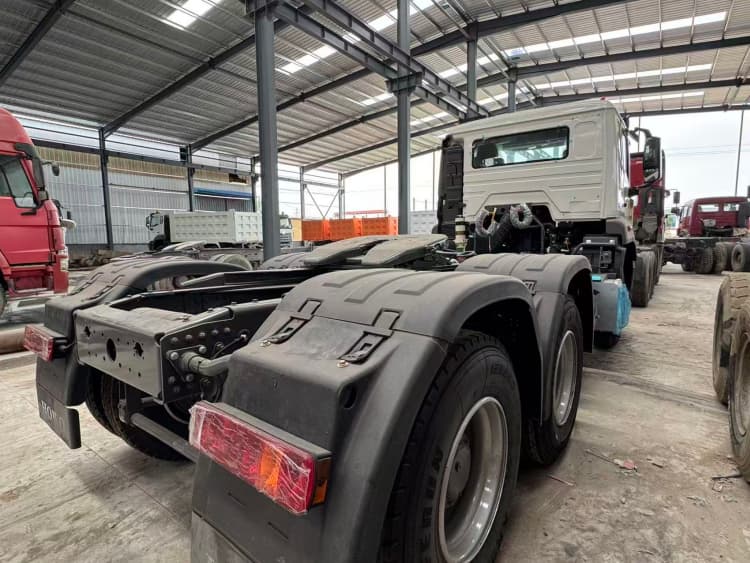
Better Flexibility for Mid-Term Asset Exit Plans
Many project-based fleets need the option to sell or reallocate trucks once a contract finishes. A new truck sold early almost always results in a substantial loss. A industrial reman truck, by contrast, carries less downside risk on exit.
If the project ends sooner than expected, the fleet can offload the asset without absorbing the massive write-down associated with a lightly used new heavy vehicle. This flexibility makes asset planning less stressful and supports agile responses to shifting project pipelines.
Conclusion
REMAN ROAD industrial reman trucks help fleets avoid the severe early depreciation that penalises buyers of brand-new heavy trucks. They skip the steep initial value drop, start on a gradual depreciation curve and rely on traceable rebuild certification to hold residual value over time.
For industrial operators running high-wear haul cycles, this means less capital trapped in rapid value loss, more predictable TCO and safer asset exit options when project demands change.
3 Comments