
How Reman Duty-Based Scheduling Extends The Average Service Life Of Your Assets?
Intro
Many fleets use a one-size-fits-all maintenance schedule for every truck, regardless of whether it is hauling on smooth highways or pounding through quarry and earthworks sites. This creates two costly failure modes: light-duty assets get unnecessary service, while heavy duty reman vehicles are run on too-gentle intervals and wear out prematurely.
Reman duty-based scheduling is built into REMAN ROAD’s standardised reman model: each heavy duty reman vehicles is graded, tested and documented for a defined operating envelope. Maintenance, load limits and inspection frequency are matched to that grade. The result is slower, predictable degradation and longer average service life across the reman fleet.
How reman duty-based scheduling extends the average service life of reman assets?
Eliminates the core risk: mismatched duty and maintenance cycles
Heavy duty reman vehicles rebuilt and validated for heavy off-road duty faces higher dust, vibration, shock loading and thermal cycling. If it follows a highway schedule, oil, filters, seals and brake components degrade faster than the service plan accounts for. Contamination and heat damage spread to crankshaft bearings, hydraulic circuits and suspension joints.
Reman duty-based scheduling sets shorter inspection and fluid-change intervals for heavy-duty grades, and longer, efficient intervals for highway reman units. No asset is under-protected for its real working conditions. This stops minor wear from turning into permanent, life-shortening damage.
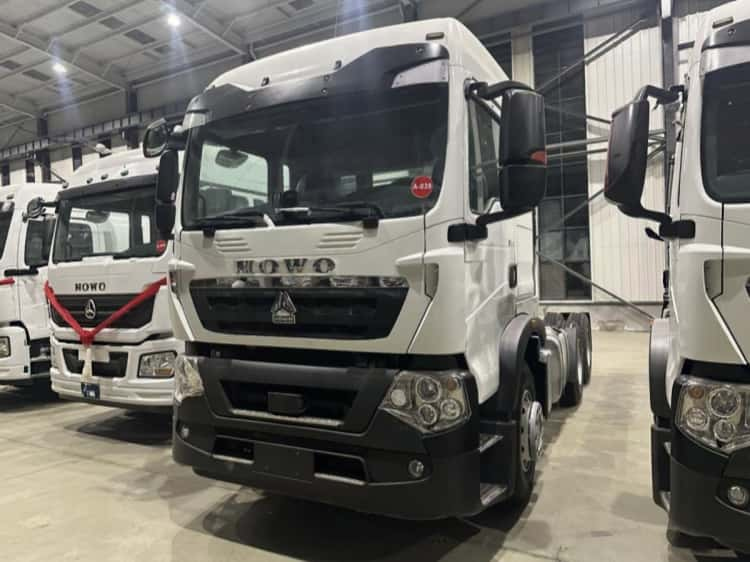
Enforces load and operating limits calibrated to the rebuild standard
Remanufacturing resets the asset’s usable life, but it does not recreate infinite strength. Each duty grade has documented payload, gradient, idle and shock-load limits derived from bench testing and NDT validation. Reman duty-based scheduling includes operational rules alongside service triggers: maximum continuous payload, rest cycles after heavy pushes, idle limits and vibration monitoring.
Dispatchers avoid assigning heavy duty reman vehicles to continuous peak overload, or light duty reman vehicles to quarry blasting zones. Controlled loading reduces fatigue accumulation on frame, axle and powertrain load paths, which are the primary drivers of irreversible structural ageing.
Telematics and hour-based tracking replace crude calendar or mileage triggers
Mileage is a poor proxy for off-road reman trucks. A quarry truck may log low kilometres but run thousands of high-stress engine hours. Reman duty-based scheduling uses engine hours, vibration data, load cycles and site condition flags from IoT telematics tied to the VIN dossier.
Service triggers activate when the asset has accumulated stress, not when the calendar rolls over. This ensures wear is measured accurately and interventions arrive exactly when needed, before accelerated degradation begins.
Prevents cascading secondary failures that cut asset life short
Most heavy trucks do not fail from a single worn part. A neglected air filter lets abrasive dust into the engine; this accelerates cylinder wear, contaminates oil and damages bearings, and the whole powertrain’s usable life collapses early. Duty-based plans include grade-specific inspection sequences for interconnected systems.
For heavy off-road reman trucks, air intake, cooling, seal and grease points are checked more frequently. Contamination, leaks and misalignment are caught before they trigger chain-reaction damage. The asset retains its validated rebuild condition for longer.
Separates asset rotation strategy from a single fixed service clock
Duty grading also enables rotation scheduling. High-stress reman units can be cycled between heavy site work and lighter standby or highway tasks to reduce cumulative fatigue. Instead of running the same truck nonstop in the harshest environment until failure, you distribute high-duty cycles across the fleet.
Reman duty-based scheduling rules tell you when a unit needs a lighter assignment or deeper inspection. This is a powerful lever for extending average life, as fatigue damage is non-linear and concentrated abuse ages assets far faster than mixed, controlled usage.
Aligns maintenance intervention with the reman rebuild’s virtual age profile
Certified reman resets the asset’s effective service baseline, but its underlying core still has a known history. REMAN ROAD’s duty classification accounts for this residual core condition. The schedule is not identical to an OEM new-truck schedule. It is calibrated to the reman QA results: NDT findings, repaired areas, renewed consumables and bench performance.
This tailored schedule avoids overly aggressive maintenance that wastes money, and avoids lax intervals that exploit the core beyond its validated fatigue margin. The rebuild’s engineered service window is fully realised.
Supports consistent residual value by preserving structural and powertrain integrity
Assets managed under duty-based schedules age evenly and predictably. Their VIN dossier shows the duty grade, load history, telematics stress records and service compliance.
When you retire or resell the reman vehicles, buyers can see it was never misapplied outside its validated envelope. The preserved structural and mechanical integrity means the asset’s usable second life is longer, lifting the fleet’s average service-life metrics and residual value.
Boundary Note
Reman duty-based scheduling extends average life, but it cannot stop normal wear. It will not make a light-duty reman unit survive indefinite heavy quarry work. The system relies on correct grading at the point of remanufacturing and disciplined dispatch compliance. If operators repeatedly ignore duty limits, accelerated degradation will still occur.
Q&A
Q: Does reman duty-based scheduling mean I need a separate service manual for every truck? A: No. You maintain one schedule per duty grade, not per individual unit. All same-grade reman vehicles share identical interval rules.
Q: How is this different from condition-based maintenance? A: Reman duty-based scheduling starts with the asset’s validated design envelope and planned stress profile. Condition-based maintenance reacts to real-time sensor signals. They work best together: duty rules set the baseline, telematics condition alerts fine-tune timing.
Q: How to write this in RFQ or tender documentation? A: All reman vehicles shall be assigned a formal duty grade, with matched maintenance intervals, load limits and telematics-driven service triggers, to minimise fatigue accumulation and extend average asset service life.