
How Robust Reman Supports Your Ability To Offer Fixed-Rate Haul Contracts To Clients?
Intro
Fixed-rate haul contracts are attractive to clients, but they carry big risk for haulage operators. When pricing is locked in for months, any surprise breakdown, expensive repair or extended downtime eats directly into profit. REMAN ROAD robust remanufacturing brings predictable operating costs and reliable uptime, giving contractors the stable cost foundation required to quote fixed-rate work with confidence.
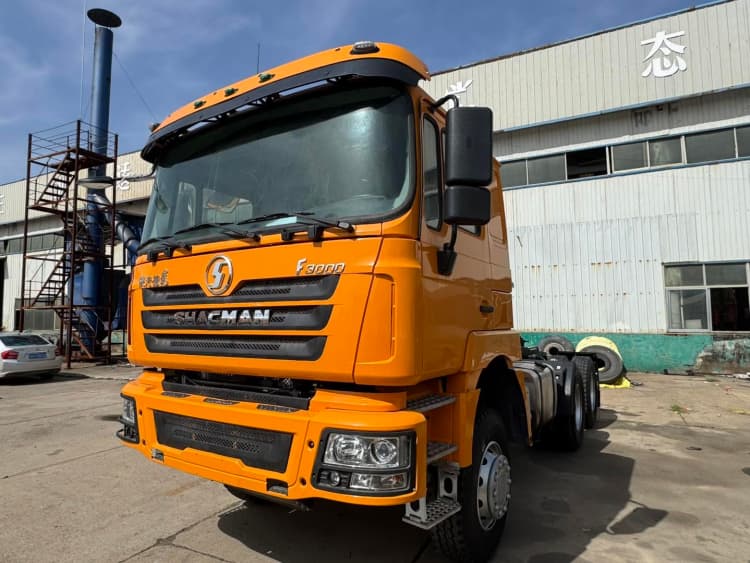
Predictable maintenance removes volatile cost spikes
Generic used or lightly refurbished trucks come with unforeseen repair bills that are impossible to build into a fixed quote. Certified robust remanufacturing follows standard reman protocols, pre-delivery testing and scheduled service schedules. Maintenance becomes a steady, forecastable line item. Finance teams can calculate long-term service budgets accurately, without reserving huge contingency funds for random mechanical failures. This stability is essential for locking in a firm haul rate.
Consistent uptime protects scheduled delivery commitments
Fixed-rate agreements usually tie payment and reputation to steady material throughput. Frequent breakdowns create haul delays, which may trigger liquidated damages or client penalties. Robust reman trucks go through NDT screening, load testing and QC checks before delivery, reducing unplanned downtime. With fewer unexpected stops, operators can reliably hit the tonnage and timeline targets written into fixed contracts, avoiding the extra costs that would erase margins.
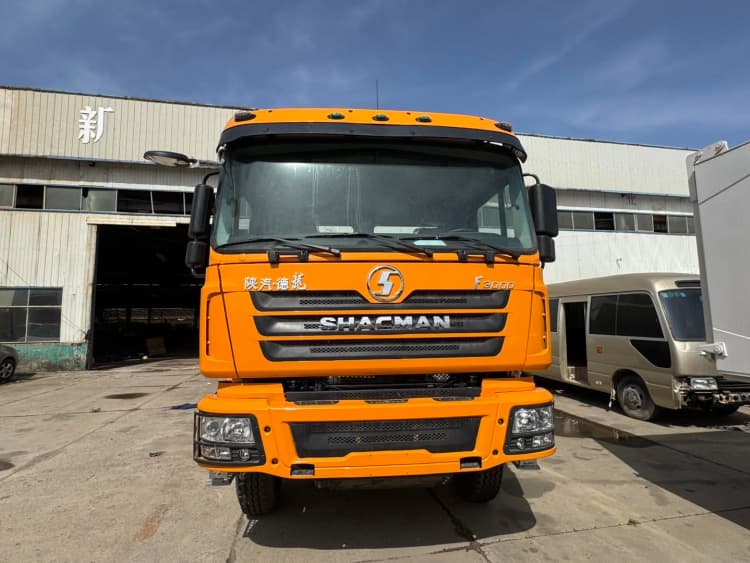
Clear warranty coverage caps liability for rebuild defects
A structured robust remanufacturing warranty defines who pays for workmanship-related failures. If a covered assembly fails, the supplier absorbs relevant repair costs. This risk transfer protects the contractor’s budget. For fixed-rate haul jobs, this removes one of the largest unknown variables when calculating the break-even point. Operators do not need to inflate quotes excessively just to hedge against catastrophic rebuild failures.
Stable residual value improves long-term contract TCO modelling
Many fixed-rate haul contracts run for multi-year mine or quarry campaigns. Accurate TCO modelling depends on knowing the residual value of equipment at the end of the job. Robust remanufacturing’s serialised, transferable documentation supports reliable resale value forecasts. Depreciation can be calculated consistently across the contract term, so the fixed rate accounts for realistic asset exit value rather than guesswork.
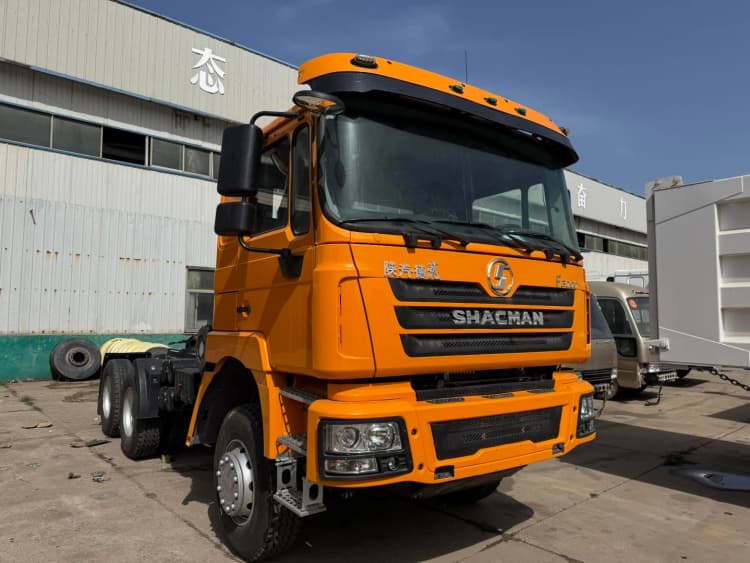
Final takeaway
Robust remanufacturing enables fixed-rate haul contracts by stabilising maintenance spend, reducing unplanned downtime, capping defect liability and supporting reliable TCO forecasting. It turns the uncertainty of equipment performance into a controlled variable, letting contractors submit competitive fixed pricing while safeguarding project margins.