
How Benchmarked Reman Truck Enables Accurate Unit-Level Profitability Tracking For Haul Jobs?
Intro
Many haulage fleets only track profitability at the overall project level, blending all truck costs together. This hides underperforming units and skews job costing. REMAN ROAD benchmarked reman truck creates consistent, traceable asset baselines, so finance and operations teams can separate income and spend down to each individual truck, delivering clear unit-level profit visibility for every haul assignment.
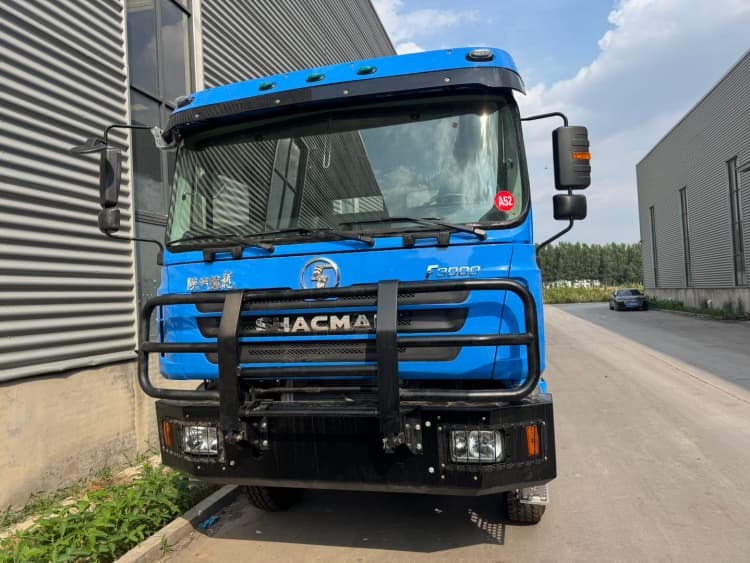
Standardised rebuild baseline removes unknown cost variables
Generic used or ad-hoc rebuilt trucks carry hidden, unpredictable failure risk. One unit may rack up surprise repair bills while another runs trouble-free, with no consistent way to explain the variance. Each REMAN ROAD benchmarked reman truck follows the same rebuild checklist, NDT validation and pre-delivery testing. The starting condition, expected wear curve and planned service schedule are documented in the serialised dossier. This creates a uniform foundation, so unexpected cost spikes can be reliably attributed to operating conditions rather than unknown pre-existing defects.
Segregated scheduled maintenance cost per chassis
Every benchmarked reman truck has a dedicated hour-based service plan tied to its rebuild record. Maintenance teams log parts, labour and service hours against the unique chassis serial number. Finance teams can assign these maintenance costs directly to the truck and its haul jobs. Unlike mixed used fleets, there is no guesswork to distinguish routine upkeep from crisis breakdown expense. This clean separation makes per-unit margin calculations far more trustworthy.
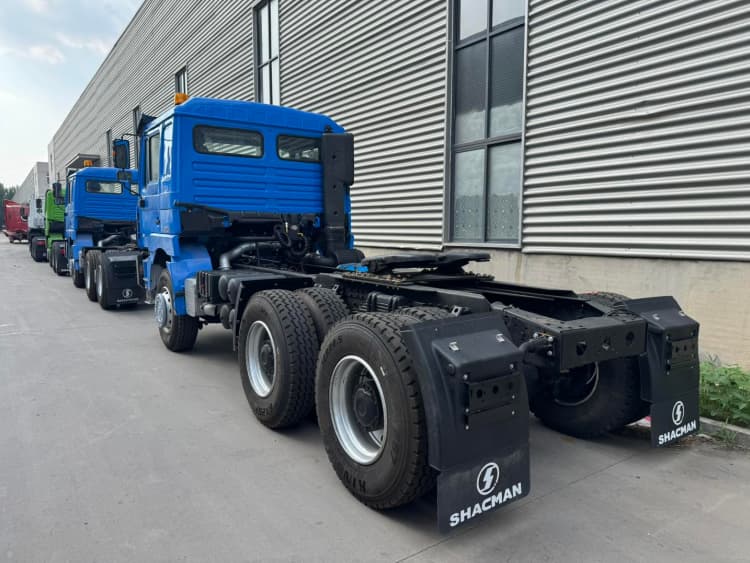
Downtime events are easier to categorise and allocate
When a REMAN ROAD benchmarked reman truck experiences downtime, the root cause is simple to classify: workmanship warranty issue, normal wear, overload damage or site-related delay. Warranty-covered repairs do not hit the fleet’s job cost, while scheduled service downtime is budgeted in advance. Operators can filter out non-recurring rebuild defects and focus on how each truck performs under real haul cycles. This reveals which units, routes or payload profiles eat into job margins.
Consistent residual value assumptions for depreciation
Unit-level profit relies heavily on accurate depreciation forecasting. Undocumented rebuilds have volatile resale value, making depreciation allocations speculative. REMAN ROAD benchmarked reman truck ’s transferable documentation supports stable residual value forecasts. Depreciation can be applied evenly and accurately per chassis over its planned holding period. This eliminates large, unplanned depreciation write-offs that would distort haul job profit reports.

Final takeaway
REMAN ROAD benchmarked reman truck enables reliable unit-level profitability tracking by standardising asset condition, formalising traceable maintenance logs, simplifying downtime root-cause tagging and stabilising depreciation assumptions. For haulage contractors, this granular visibility identifies profitable assets and inefficient operating patterns, supporting sharper pricing and fleet assignment decisions.