
How Standard Reman Vehicles Reduces Human Error Risk Through Unified Inspection?
Intro
Human error and subjective judgement are persistent quality risks in heavy vehicle reconditioning. Varying technician standards, rushed checks and inconsistent record-keeping lead to overlooked defects and uneven build quality. REMAN ROAD Standard reman vehicles addresses this with unified, gated unified reman inspection workflows, locking down test criteria and removing discretionary calls to stabilise quality for fleet operators.
Core Inspection Alignment: Removing Subjective Decision Points
Unified reman inspection frameworks replace loose visual assessments with quantitative pass/fail metrics. In traditional used truck refurbishment, a seasoned mechanic might sign off on a minor crack, a worn bearing or inconsistent brake clearance based on years of experience. A less experienced technician might miss the same defect, or reject a component that still meets safe operating limits. This inconsistency creates an unpredictable quality spread across the fleet.
Standard reman vehicles removes this gap by codifying every measurable limit. Ultrasonic NDT readings for frame cracks, crankshaft runout tolerances, brake pad thickness, hydraulic leakage rates and electrical continuity values are fixed in the inspection library. Technicians record actual readings, not just a simple “OK” mark. If a measurement falls outside the predefined range, the component is automatically routed for replacement or repair, with no room for discretionary approval. This rule-based structure neutralises human error driven by overconfidence, fatigue or inconsistent training.
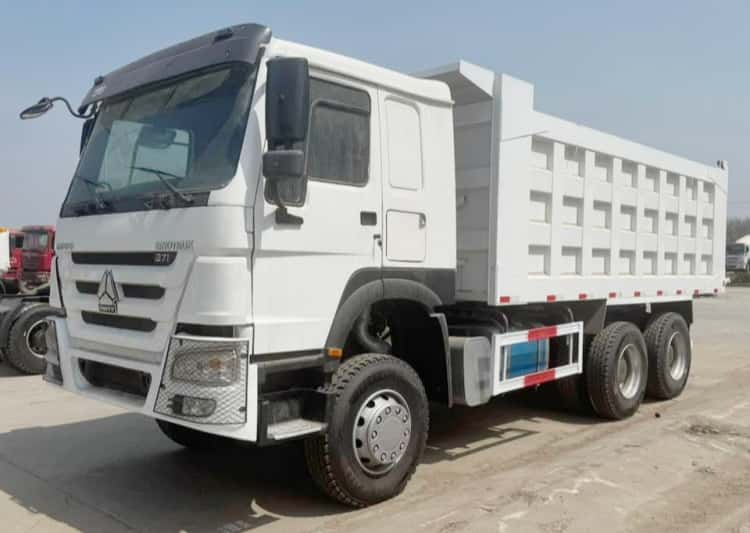
Gated Workflow: Preventing Skipped Inspection Steps
A unified reman inspection system operates as a stage-gated process. A truck cannot advance to the next rebuild phase until every required inspection item is completed, measured, logged and verified. In conventional refurbishment, high workshop pressure often leads technicians to skip secondary checks, especially for non-visible structural or internal powertrain parts. These hidden oversights only surface after delivery, triggering costly downtime and liquidated damages for haulage, mining and earthworks fleets.
Digital checklists linked to each standard reman vehicles’s VIN dossier enforce these gates. The platform blocks progression until all data points, photos and measurement logs are submitted. Supervisors and auditors can instantly review which items passed, failed or remain pending. This structure does not slow down disciplined teams; it stops incomplete, under-inspected units from moving downstream.
Cross-Team & Multi-Site Consistency
For reman operations spanning multiple shifts, workshops or regional partners, unified reman inspection creates a shared quality language. Without a standardised baseline, quality drifts between day and night shifts, or between different workshop locations. One site may prioritise brake performance, while another focuses on engine output and neglects chassis fastener torque verification.
Standard reman vehicles inspection libraries are model-specific, with tailored tolerances for platforms such as Howo TX, Howo NX and Shacman variants. The same checklists, test sequences and acceptance criteria apply everywhere. New technicians can onboard faster because they follow a fixed, documented reman process rather than learning informal workshop customs. This reduces training variability and brings every inspector to the same quality benchmark.

Audit Trail and Accountability
Every reman inspection entry is timestamped, attributed to the responsible technician and stored permanently within the VIN traceability dossier. This creates an auditable trail that supports third-party QA audits, warranty defence and ESG tender documentation. If a component failure occurs later, teams can trace back the original inspection readings, verify whether the correct procedure was followed and refine standards for future units.
This level of accountability is nearly impossible with paper checklists or verbal sign-off. It turns quality control from reactive troubleshooting into proactive, continuous improvement.
Fleet-Level Benefits
For fleet buyers, the practical impact is tangible. Less human-induced quality variance means more predictable TCO, fewer unplanned breakdowns and more reliable maintenance budgeting. When every standard reman vehicles is inspected against identical rules, fleet managers can build homogeneous fleets with consistent reliability, rather than accepting a mixed pool of units with unknown inspection standards.
Certified unified reman inspection also strengthens warranty validity and supports green and public tender requirements, where documented reman process are mandatory evaluation criteria.
Q&A
Q: Does unified reman inspection restrict technician expertise? A: No. It sets non-negotiable quality guardrails for safety-critical checks, while still allowing skilled technicians to diagnose nuanced mechanical issues outside the fixed checklist.
Q: Can standard inspection adapt to different heavy truck models? A: Yes. Base unified reman inspection workflow remains consistent, while tolerances, test points and component requirements are customised per model and application.
Q: Is this different from basic workshop checklists? A: Basic checklists are advisory. Unified reman inspection in standard reman vehicles is gated: production stages cannot move forward until all required evidence is captured and validated.