
How Cost Effective Reman Helps You Avoid Overcommitting Capital to Underutilised Assets?
Intro
Fleet operators often face a sharp capital dilemma: buy new trucks to meet peak demand, then carry the burden of underutilised assets when projects wind down. Cost effective reman truck offers a balanced alternative, unlocking flexible capacity without locking large budgets into equipment that spends much of its time idle.
The Hidden Penalty of Overbuying New Trucks
New heavy trucks demand substantial upfront capital outlay. When you purchase a fleet of new units for a short-term mining, earthworks or haulage contract, you tie up working capital for years. Once the contract ends or demand drops, those assets still carry depreciation, insurance, parking and scheduled maintenance costs, even if they are barely used.
Underutilised new vehicles drag down overall fleet ROI. The slow depreciation curve means capital cannot be easily recovered quickly. Many fleets are forced into tough choices: keep idle trucks and absorb ongoing holding costs, or sell them at steep loss into a weak second-hand market.
Reman Aligns Asset Lifespan With Contract Duration
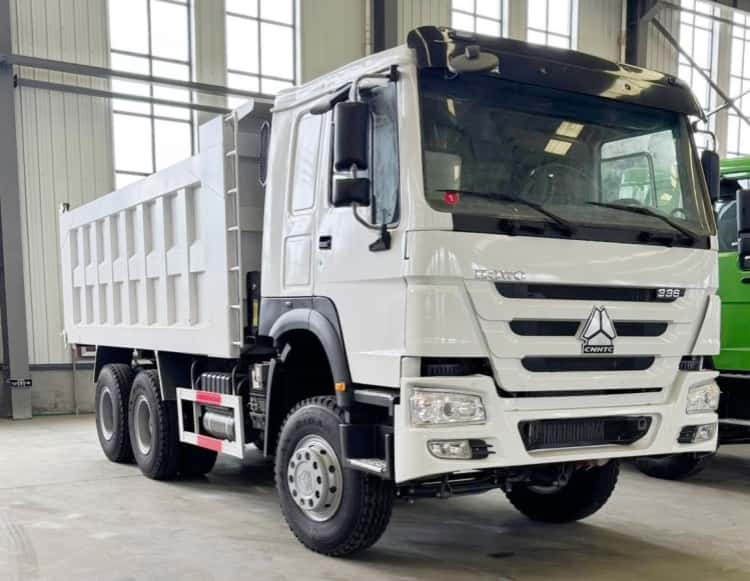
Certified cost effective reman trucks are built for finite, defined duty cycles. Their purchase price is far lower than equivalent new units, so the total capital exposure per asset is reduced. For seasonal work, short fixed-term contracts or temporary capacity spikes, you can deploy reman units to fill the gap rather than purchasing new trucks permanently.
When the project finishes, you have multiple low-risk exit options. You can return leased reman trucks, resell them with predictable residual value, or redeploy cost effective reman trucks to another active site. You do not carry the long-term capital burden associated with new assets that outlive your immediate operational need.
Preserving Working Capital for Core Business Needs
By choosing cost effective remanufacturing instead of new trucks for marginal or variable capacity, you preserve cash for fuel, labour, site upgrades, spare parts and contingency funds. This is especially valuable for mid-sized haulage and earthworks contractors, whose cash flow is tightly tied to project payment schedules.
Overcommitting capital to underused trucks creates liquidity risk. A sudden delay in client payment or a tender opportunity can leave a business cash-trapped. Cost effective remanufacturing lowers this risk by keeping capital requirements lighter and more flexible.
Tiered Fleet Strategy: Peak Capacity Without Permanent Assets
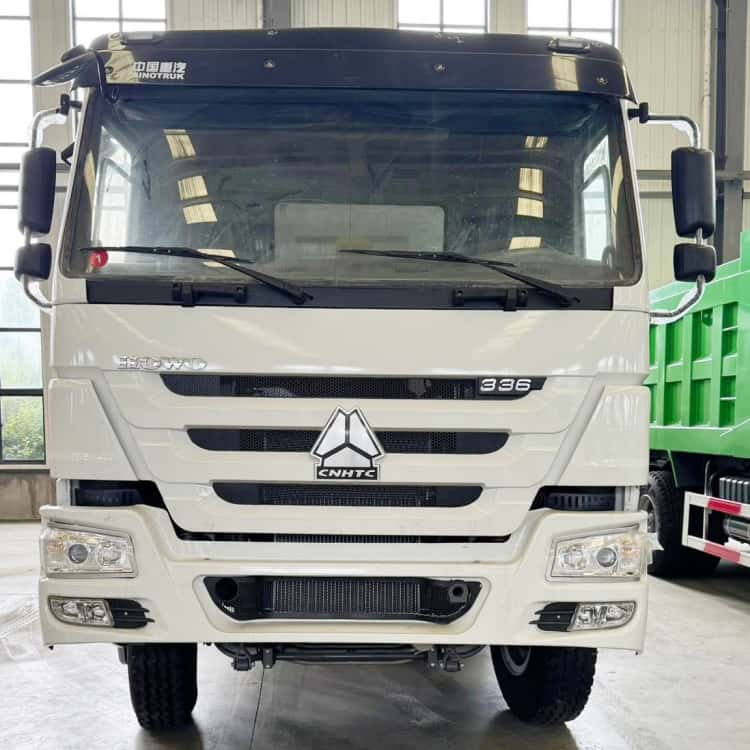
The most resilient fleets run a tiered mix: new trucks for permanent, high-utilisation core routes, and certified cost effective reman trucks to absorb variable peak demand. This structure prevents the whole fleet from being sized only around the busiest operational window.
Standardised cost effective reman trucks integrate seamlessly into the existing fleet, with matching inspection standards, service parts and maintenance procedures. They do not create a separate, difficult-to-support asset pool. Fleet managers can scale capacity up and down as tenders are won or completed, without reshaping the long-term capital base.
Predictable Resale and Lower Depreciation Exposure
Cost effective reman trucks follow a more stable depreciation profile compared with brand-new trucks. New heavy vehicles lose a large portion of their value immediately after delivery. Verified reman units have already passed that steep initial depreciation hit.
When you no longer need the asset, the gap between purchase cost and resale value is smaller. Even if the unit sat partially idle, the financial loss is far less severe than disposing of an underutilised new truck. This makes cost effective remanufacturing ideal for temporary capacity where utilisation rates are uncertain.
Limitations to Consider
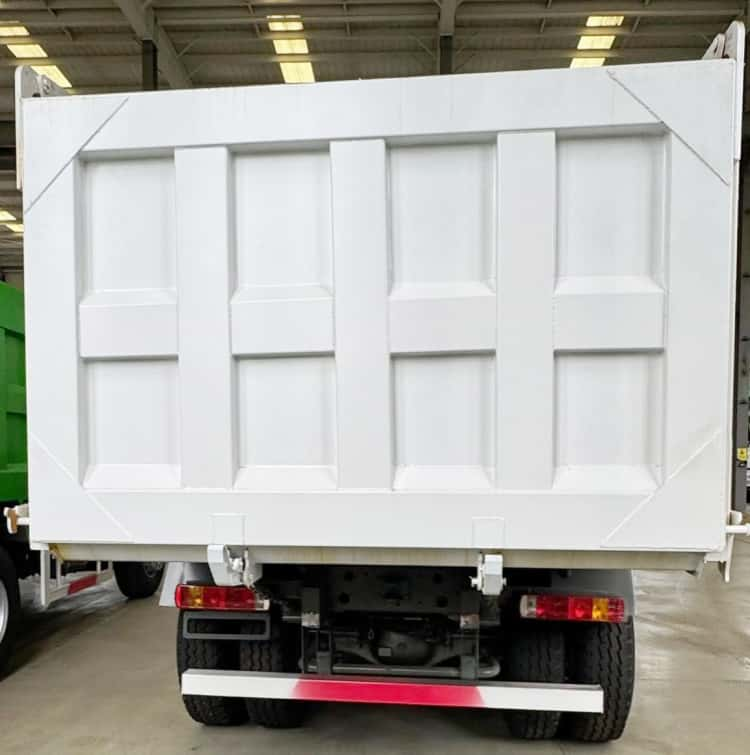
Reman is not the universal answer for every fleet requirement. For permanent, high-duty, round-the-clock operations spanning many years, new trucks may still deliver superior long-term TCO. The strength of cost effective remanufacturing lies specifically in variable, temporary or uncertain demand scenarios where the risk of asset underutilisation is high.
Q&A
Q: Does reman still make sense if the asset may be idle for months? A: Yes. The lower upfront investment reduces the financial penalty of idle time, alongside lower monthly holding costs compared with new trucks.
Q: Can I mix reman trucks with my existing new fleet? A: Absolutely. Standardised reman trucks support consistent maintenance, warranty and telematics tracking alongside new vehicles within a unified fleet management framework.
Q: Is there a risk of quality compromise for lower-cost reman assets? A: Only with uncertified refurbishment. REMAN ROAD validated reman carries audited rebuild standards, NDT screening and warranty coverage, so the lower capital cost does not mean unmanaged reliability risk.