
Market Outlook: Verified Remanufactured as Mainstream Fleet Asset Solution
Introduction
For decades, global heavy-duty fleet asset procurement had only two default choices: brand-new OEM trucks or used / workshop-refurbished trucks. New trucks carry high upfront capital cost and heavy early depreciation. Unverified used and refurbished vehicles come with unpredictable downtime risk and limited documentation support.
With mature industrial reman workflows, standardized certification, full asset traceability and proven lifecycle cost advantages, verified remanufactured truck are transitioning from a niche alternative to a mainstream fleet asset solution. This outlook article analyses the core driving forces, target fleet segments, market growth trajectory, remaining transition barriers and long-term ecosystem changes.
Core Market Driver: Fleet Procurement Logic Shifts From Upfront Price to Full Lifecycle TCO
Total cost of ownership becomes the primary evaluation metric for large fleets: The fundamental shift enabling verified remanufactured to move mainstream is the change of fleet purchasing mindset.
- Traditional purchasing focused heavily on initial acquisition cost. Finance teams prioritized low purchase price and ignored hidden costs such as breakdown downtime, emergency repair and production loss.
- Modern fleet managers adopt full lifecycle accounting: capital expenditure, scheduled maintenance, unplanned downtime, fuel consumption, residual value and ESG carbon footprint are all included in ROI calculation.
- Verified reman balances capital outlay and operational stability. It avoids the steep first-year depreciation of new trucks while eliminating the high failure risk of uncertified refurbished vehicles.
- For mid-term project fleets, the ROI gap between verified remanufactured and competing options becomes more obvious as project cycles last 2–5 years.
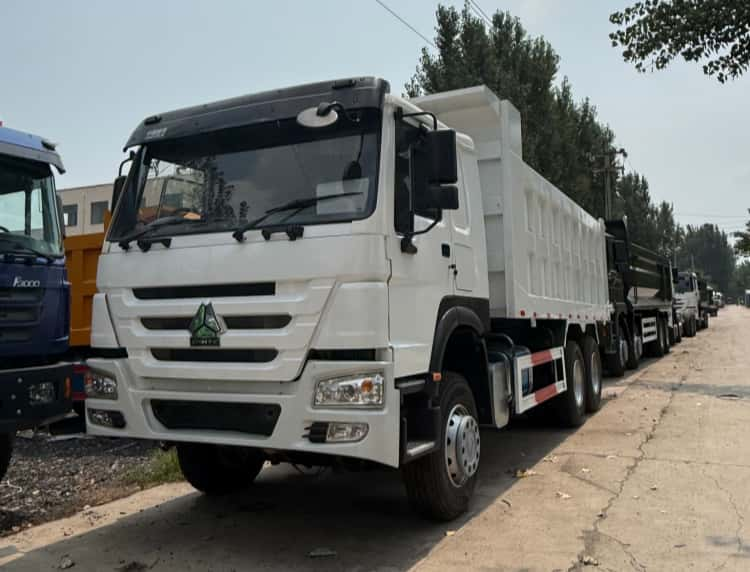
ESG and Tender Rules Force Mainstream Adoption of Auditable Low-Carbon Assets
International project bidding and green financing accelerate market penetration: ESG and circular economy requirements are no longer optional marketing add-ons, but hard qualification thresholds for global infrastructure, mining and logistics tenders.
- Multilateral development bank projects, large mining prime contractors and global freight clients require subcontractors to report Scope 3 embodied carbon. Verified remanufactured truck provide auditable carbon reduction records tied to VIN.
- Green loan and sustainable leasing products from financial institutions offer preferential financing terms for verified remanufactured truck, which are not available for ordinary refurbished vehicles.
- Greenwashing crackdowns filter out low-quality cosmetic refurbishment. Only reman with standardized workflows and complete traceability documents can satisfy third-party sustainability audits.
- As more tender documents add clauses recognizing verified remanufactured truck, fleet operators will gradually embed reman into their regular asset rotation plans.
Target Fleet Segments That Will Lead Mainstream Adoption
Project-based fleets will take the lead, followed by long-haul and municipal fleets: Different fleet types adopt reman at different speeds. The earliest mainstream adopters concentrate on project-focused heavy transport.
- Mining & infrastructure project fleets: Medium fixed-term projects are the most mature application scenario. Verified reman provides heavy-load reliability without overinvesting in brand-new assets for limited-duration work.
- Cross-border regional logistics fleets: Operators in emerging markets use reman to expand fleet scale quickly, while relying on mature aftermarket parts networks for Howo, Shacman and Sitrak models.
- Mid-sized long-haul fleets: For operators pursuing stable cash flow, verified reman helps renew aging fleets without one-time massive CAPEX.
- Municipal and public service fleets: Government procurement will gradually adopt verified remanufactured once local regulatory frameworks recognize reman certification and documentation.
- Niche exclusion: Ultra-long service-cycle assets with strict OEM original warranty requirements will remain dominated by new trucks in the near term.
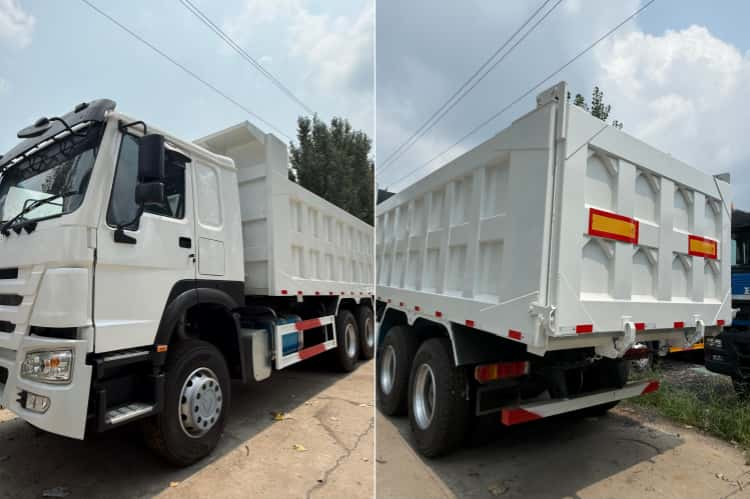
Industrial Standardization & Digital Traceability Remove Adoption Barriers
Unified certification and digital asset records reduce information asymmetry: Lack of consistent standards was the biggest obstacle preventing reman from entering mainstream procurement. This situation is gradually improving.
- Cross-industry reman specification frameworks are being formed, clearly separating verified remanufactured from simple repair and cosmetic refurbishment.
- VIN-centric digital traceability dossiers become standard delivery items. Buyers can access screening logs, NDT reports, parts replacement lists and test data before shipment.
- Third-party independent audit systems become commonplace, moving quality validation away from self-declared manufacturer claims.
- Standard document packages simplify cross-border customs clearance, vehicle registration and asset depreciation accounting for global fleet buyers.
Supply Chain Maturity Supports Large-Scale Commercial Rollout
Core sourcing, component supply and aftersales networks gradually mature: For reman to become mainstream, upstream and downstream supply chains must scale up together.
- Professional core grading and trading platforms will develop, stabilizing the supply of qualified repairable heavy truck cores and reducing price volatility.
- Verified remanufactured subassembly markets grow, supplying pre-tested reman engines, axles and brake assemblies for final vehicle reman lines.
- Regional aftersales and spare-part stocking networks expand in emerging markets, solving remote-site warranty and maintenance pain points.
- Reverse logistics and asset take-back programs close the circular loop: retired verified remanufactured truck return as qualified cores for the next reman cycle.
Remaining Barriers During the Transition Period
Obstacles delaying full mainstream adoption over the next 5–10 years: While the long-term trend is clear, several barriers will slow the transition.
- Regulatory fragmentation: Many countries still lack independent legal classification for verified remanufactured truck, creating customs and registration uncertainty for cross-border procurement.
- Market education cost: Many fleet finance and procurement teams still require training to evaluate reman certification and distinguish verified remanufactured from fake refurbished products.
- Higher production cost vs cheap refurbishment: Verified reman cannot compete on raw purchase price against low-grade workshop refurb, limiting uptake among highly price-sensitive small operators.
- Talent and equipment capital barriers: Expanding verified reman production capacity requires heavy investment and compound skilled technicians, limiting fast capacity growth.
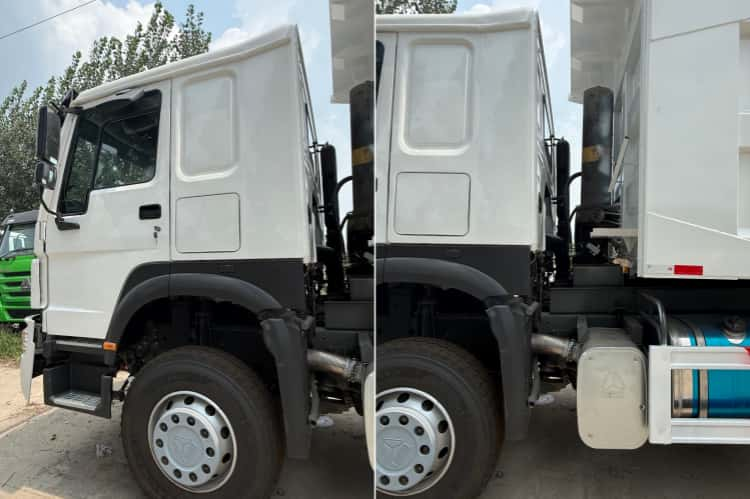
Long-Term Ecosystem Outlook: Reman Becomes a Permanent Parallel Asset Category
The future heavy vehicle asset market forms a three-pillar structure: In the mature future market, verified remanufactured truck will not fully replace new trucks or used trucks. Instead, it will form a stable three-pillar asset ecosystem.
- New OEM trucks: For fleets requiring full factory warranty, ultra-long asset holding cycles and latest original emission/electronic architecture.
- Verified remanufactured trucks: Default mainstream option for medium-cycle heavy-duty projects, regional logistics and fleet scale expansion.
- Used / workshop-refurbished trucks: Restricted to low-risk, low-duty, small-scale individual buyers and simple short-term tasks.
- Asset finance and valuation industries will build dedicated depreciation and residual value models for verified remanufactured truck, further lowering adoption risk for fleet buyers.
Conclusion
The heavy truck asset market is undergoing a structural shift. Driven by TCO optimization, ESG tender requirements, standardized certification and maturing supply chains, verified remanufactured truck are evolving from a niche alternative into a mainstream fleet asset solution. It will not fully replace new trucks, but occupy the largest share of medium-cycle heavy transport fleet procurement.
The remaining regulatory, cognitive and supply-chain barriers will gradually ease over the next decade. For forward-looking fleet decision-makers, integrating verified remanufactured into asset rotation strategy is no longer an experimental choice but a standard commercial practice.