
How Standardised Remanufacturing Completes Market Education Globally?
Introduction
Global market education for heavy truck remanufacturing is not simple advertising or product promotion. Its core goal is to correct widespread misconceptions: many stakeholders confuse standardised remanufacturing with ordinary used trucks or cosmetic refurbishment. Standardised remanufacturing workflows and verifiable quality systems provide the factual foundation for this education campaign.
By unifying terminology, publishing transparent technical evidence, building real project references and cooperating with regulators and third-party institutions, the industry gradually aligns the understanding of fleet procurement teams, finance departments, ESG auditors, customs authorities and local distributors across different countries. This page explains the systematic approaches for global market education driven by standardised remanufacturing.
Unify Industry Terminology & Public Definition Framework
Establish shared language to eliminate conceptual confusion at the source: The first barrier of global market education is inconsistent terminology. Different regions, buyers and sellers use conflicting definitions for standardised remanufacturing, refurbishment and vehicle repair.
- Publish globally aligned glossary documents: clearly define standardised remanufacturing, refurbishment, ordinary vehicle repair and used asset trading, listing mandatory process differences.
- Embed unified definitions into tender documents, supplier contracts, audit checklists and product datasheets. All stakeholders follow the same judgement criteria.
- Distinguish prohibited marketing wording: ban merchants from labeling simple repaired/refurbished trucks as standardized heavy reman vehicles.
- Train internal teams and external partners to use standard terms consistently, avoiding misleading translation or localised ambiguous descriptions in cross-border communication.
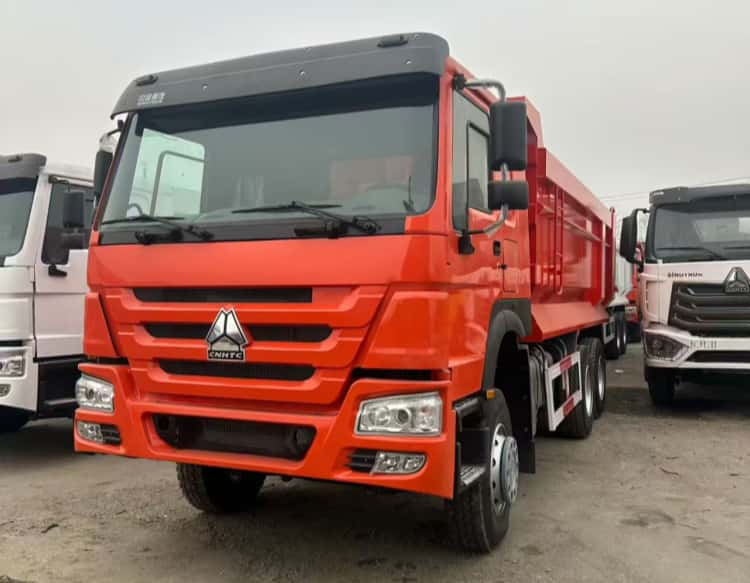
Publish Open, Standardised Technical Whitepapers & Public QA Resources
Convert professional reman knowledge into reusable, auditable public materials: Most fleet procurement, finance and ESG teams lack heavy vehicle standardised remanufacturing technical background. Open technical materials lower the learning threshold.
- Release public whitepapers introducing full standardised remanufacturing workflow, NDT inspection rules, component grading standards, bench and road testing requirements.
- Develop standard FAQ libraries to answer high-frequency buyer questions: reman warranty scope, carbon accounting method, traceability document verification, cross-border customs classification.
- Create objective comparison content: new truck vs used truck vs workshop refurb vs standardized reman, focusing on TCO, downtime risk and ESG audit eligibility.
- Make these resources available in multiple languages for global fleet operators, tender evaluators and audit firms.
Build Real-World Cross-Border Fleet Reference Cases
Verified project cases replace empty marketing claims with tangible operational proof: Market education relies heavily on practical project results, not theoretical descriptions.
- Document complete case studies of medium-term mining and infrastructure fleets: project duration, CAPEX saving, downtime statistics, maintenance records and audited carbon reduction data.
- Include full evidence package in each case: VIN traceability dossiers, test reports, warranty performance and post-operation residual value assessment.
- Share these case references in international industry exhibitions, tender conferences and fleet seminars across emerging markets.
- Enable site visits for potential buyers to inspect operating reman fleets and truck remanufacturer, witnessing the whole workflow on-site.
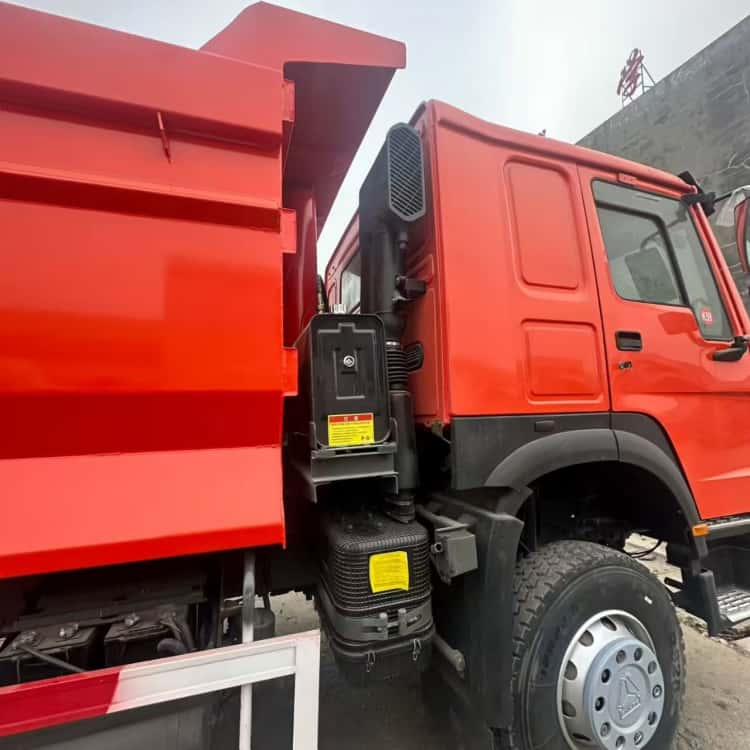
Third-Party Certification & Independent Audit as Education Carriers
Neutral institutions deliver objective knowledge, free from supplier bias: Buyers tend to doubt statements from truck remanufacturer. Third-party organisations become trusted media for market education.
- Independent audit bodies release public evaluation guidelines for heavy reman vehicles, teaching buyers how to check reman qualification and identify fake reman claims.
- Publish public audit reports of certified remanufacturers, showing compliance status and non-conformity examples.
- Train external auditors, ESG consultants and equipment evaluators on standardised remanufacturing assessment standards. These professionals then transfer knowledge to their fleet clients.
- Create standardised remanufacturing certification marks: buyers can quickly recognise verified heavy reman vehicles through unified certification logo and document package.
Targeted Segmented Education for Different Stakeholder Groups
Deliver tailored knowledge for procurement, finance, ESG teams and regulators: Different stakeholders care about completely different indicators, so one-size-fits-all content cannot work.
- For procurement teams: focus on workflow verification, certified remanufacturers qualification checklists, RFQ clause templates and risk identification methods.
- For finance & asset teams: focus on full lifecycle cost calculation, depreciation rules, residual value forecasting and green financing eligibility.
- For ESG and sustainability teams: focus on embodied carbon calculation, audit evidence requirements and greenwashing risk warning.
- For customs & transport regulators: focus on reman definition, document standardisation, asset classification and VIN structural repair records, supporting regulatory policy formulation.
- For local distributors and after-sales partners: train them on heavy reman vehicles features, warranty rules and spare-part matching knowledge for local end users.
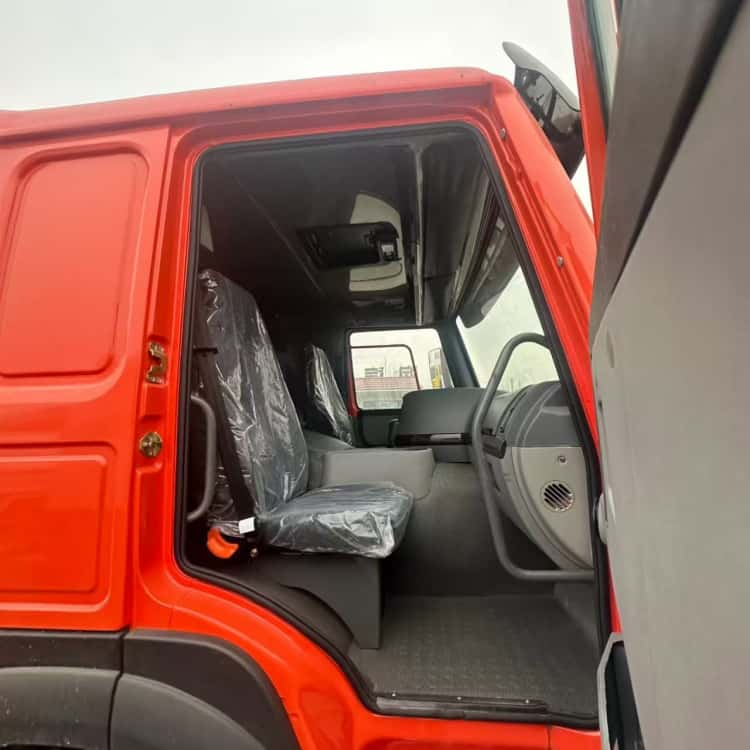
Industry Event & Cross-Regional Industrial Alliance Coordination
Global industry platforms promote consensus and cross-border knowledge exchange: Industry associations and cross-regional alliances accelerate the spread of standardised remanufacturing concepts.
- Participate in global heavy equipment, mining and infrastructure expos to host reman-themed workshops and technical seminars.
- Build cross-border reman industrial alliances, gathering certified remanufacturers, fleet owners, audit institutions and component suppliers to jointly release industry recommendations.
- Organise cross-region peer exchange between fleet operators: successful fleet users share their practical experience of adopting certified heavy reman vehicles.
- Cooperate with industry media to publish objective analysis articles, avoiding exaggerated marketing content.
Digital Knowledge Platform & Online Verification System
Digital tools enable self-service learning and instant document verification: Digital platforms make standardised remanufacturing knowledge and asset verification accessible for global buyers anytime.
- Build a public knowledge portal containing standardised remanufacturing standards, whitepapers, case studies and buyer checklists.
- Launch VIN traceability query portal: buyers, auditors and regulators can input vehicle VIN to check reman production records and test reports.
- Develop online training courses for fleet teams, including how to distinguish standardised remanufacturing from low-grade refurbishment.
- Create risk warning content showing typical fake reman tricks and common pitfalls in procurement.
Difficulties in Global Market Education
Cultural, regional and cognitive barriers slow consensus building: Global market education faces persistent obstacles that cannot be solved in a short time.
- Regional regulatory differences: Different countries have divergent rules for heavy reman vehicles import and registration, making it hard to promote one unified set of standards globally.
- Existing market inertia: Low-cost refurbished products dominate local markets, and buyers are accustomed to judging value by surface appearance and upfront price.
- Language and local working-condition differences: The same standardised remanufacturing knowledge needs adaptation to local market context.
- Asymmetric incentive: Small low-end refurb suppliers have no willingness to accept standardised reman definitions and often spread misleading information.
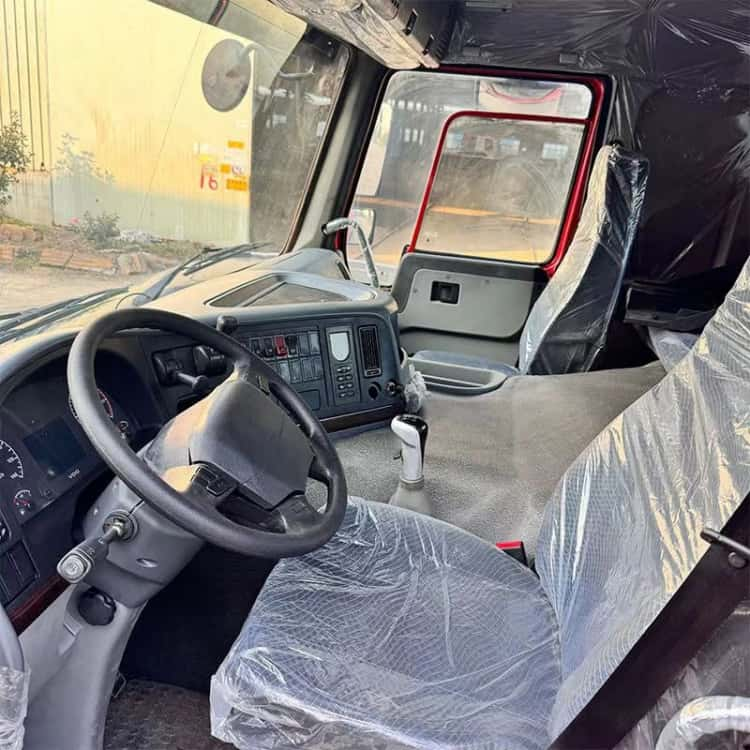
Conclusion
Standardised remanufacturing completes global market education through unified terminology, open technical materials, verified cross-border project cases, third-party certification systems, stakeholder-segmented training, industry alliance cooperation and digital verification platforms. The core objective is to replace outdated stereotypes and misconceptions with objective, auditable knowledge.
This education process does not rely only on marketing promotion; it builds trust through repeatable standardised remanufacturing standards and real operational data. In the long run, this global education will help procurement, auditors and regulators form consistent judgement criteria, clearing the path for reman heavy vehicles to become mainstream fleet asset solutions.