
Policy Guidance and Industrial Standardization Trends of Genuine Remanufactured
Introduction
The expansion of genuine remanufactured is not driven only by market demand; it is steadily guided by global circular economy policies and supported by evolving industrial standardization. Previously, most rules focused on separate reman components.
Today, regulators and industry bodies are shifting toward whole-vehicle standards, treating the complete truck as an integrated asset. This shift creates clearer definitions, safety boundaries and cross-border consistency, which is the core direction REMAN ROAD follows.
Policy orientation: prioritizing whole-vehicle lifecycle circularity
Many regional policies now position heavy vehicle genuine remanufactured as a key tool for carbon reduction, resource conservation and waste control. Early policies mostly covered single engine or axle reman parts. Newer guidance expands scope to the full vehicle lifecycle. Policies encourage controlled take-back of eligible retired trucks, restrict informal dismantling and disordered rebuilding, and set environmental thresholds for reman workshops.
Incentive mechanisms, including green procurement preferences and ESG recognition, reward fleets and suppliers that adopt certified whole-vehicle reman rather than superficial reconditioning. The policy intent is simple: retain the usable value of intact truck structures in formal circulation instead of sending sound assets straight to scrap.
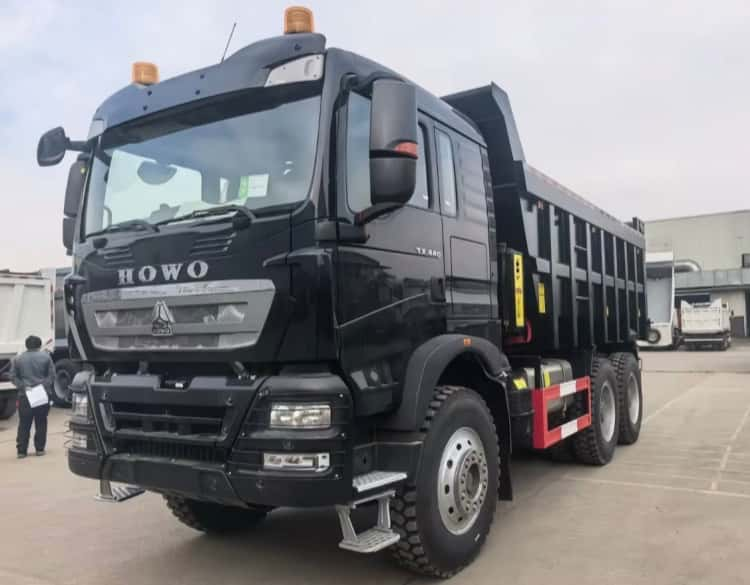
Policy clarifies the legal boundary between reman, overhaul and refurbishment
A long-standing industry pain point is loose terminology, where overhauled or refurbished trucks are marketed as remanufactured. Updated regulatory guidance is starting to define these categories based on vehicle-level processing requirements. It distinguishes genuine remanufactured by mandatory gates: intake structural screening, NDT inspection, full-system disassembly, unconditional wear-part replacement, cross-system calibration and integrated whole-vehicle validation.
Suppliers that skip these vehicle-centred gates cannot claim reman certification. This policy clarification protects fleet buyers and suppresses misleading labelling across the second-life vehicle market.
Industrial standardization trend: moving from component specs to whole-vehicle benchmarks
The most important standardization trend is the shift from component-only specifications toward complete-vehicle evaluation criteria. Earlier standards described how to restore an engine or gearbox. Emerging standards build requirements around the truck as one balanced system. They specify eligibility rules for frame and cab, structural acceptance limits, full-vehicle testing protocols, traceability data fields and whole-vehicle warranty baseline requirements.
These unified benchmarks mean two different reman facilities should deliver consistent safety and performance outcomes for the same model truck, if they follow the standard.
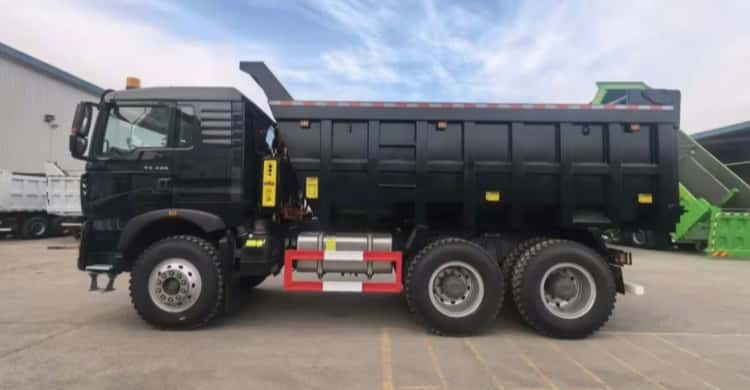
Standardization of traceability and digital lifecycle records
Digital traceability is becoming a mandatory standard clause in genuine remanufactured frameworks. New industrial standards require every genuine reman vehicles to carry a continuous, chassis-bound digital record covering intake assessment, restoration work, test results and post-delivery service events.
Standardized data templates make records readable for auditors, fleet managers and cross-border customs authorities. This trend eliminates fragmented paper logs and supports third-party verification, which is essential for global trade of reman heavy vehicles.
Harmonization for cross-border circulation and export compliance
As genuine reman vehicles enter international fleet markets, there is growing demand for harmonized cross-border standards. Different markets used to have separate, incompatible acceptance rules, creating trade barriers. Industry working groups are aligning core vehicle safety, emission and documentation requirements.
Common clauses cover structural integrity verification, final road validation and certified identification marking. Harmonized standards reduce repeated inspection work and help genuine reman vehicles move between regions with consistent recognition.
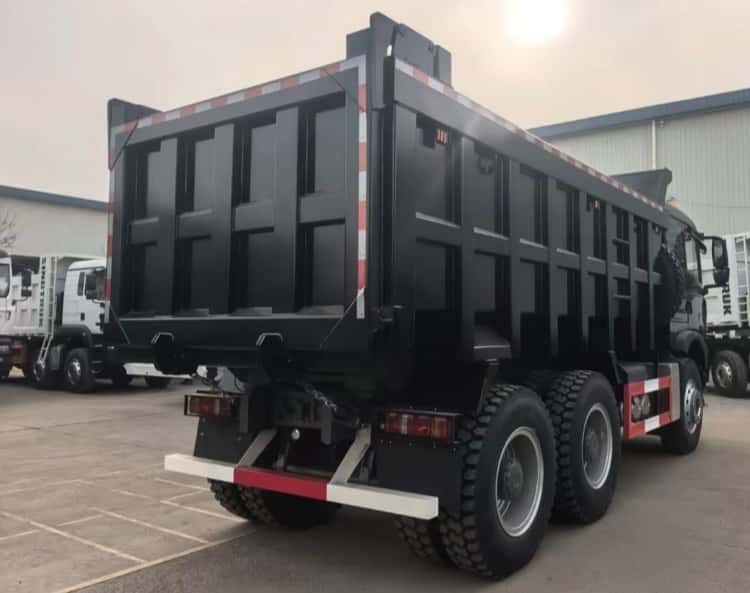
Standardization of environmental and emission compliance at vehicle level
Genuine remanufactured standards increasingly embed whole-vehicle emission and environmental requirements, not only mechanical quality. During reman processing, the full vehicle’s after-treatment system, sensor matching and calibration must meet defined emission limits for its target market.
Standards also regulate workshop pollution control, waste fluid handling and scrap component disposal. This ensures lifecycle-reset trucks meet legal emission limits once they return to operation, and the reman production process itself stays environmentally compliant.
REMAN ROAD’s role in this trend
REMAN ROAD aligns its vehicle-centred standard system with this broader industry direction. It fills the gap where general component standards lack clear whole-truck rules. It provides a stable, repeatable baseline for suppliers and fleets to follow, supporting policy objectives for safer, greener and more transparent heavy vehicle circulation. It helps turn high-level circular economy policy into practical, auditable workflows for every genuine reman vehicles .
Closing Summary
Policy guidance is shifting toward whole-vehicle circularity and clearer classification of second-life vehicle treatment. Industrial standardization is moving from component-focused rules toward unified vehicle-level benchmarks, standardized digital traceability, cross-border harmonization and integrated emission compliance. For fleets and suppliers, following these trends means choosing genuine remanufactured defined by complete-vehicle safety and lifecycle reset standards, rather than relying on loose, workshop-specific rebuilding practices.