
The Rising Demand for Heavy Reman Truck in Emerging Markets
Introduction
Emerging markets across Africa, Southeast Asia, Central Asia and Latin America are experiencing rapid expansion in infrastructure construction, mining development and cross‑border freight logistics. Local fleets face a practical dilemma: brand‑new heavy trucks carry excessively high upfront capital pressure, while ordinary second‑hand or workshop‑refurbished vehicles bring frequent breakdowns and unpredictable downtime losses.
Against this background, certified heavy reman truck are emerging as a balanced third‑party asset solution. This page analyses core drivers of certified heavy reman truck demand in emerging economies, matches product value with local working scenarios, sorts out existing market barriers, and reveals future development opportunities for cross‑border reman procurement.
Capital Pressure: High New‑Truck Cost and Limited Financing Access
Most fleet operators in emerging markets are mid‑sized contractors, mining subcontractors and logistics SMEs. Large‑scale purchase of brand‑new heavy trucks creates heavy financial burdens.
- High landed cost of new trucks: Import duties, shipping fees and dealer mark‑ups further lift the total landing price of OEM new trucks. Many project teams cannot afford large‑volume new‑truck procurement at one time.
- Restricted local financing channels: Formal commercial vehicle loans have strict requirements, high interest rates and short repayment cycles. It is difficult for small‑and‑medium fleet owners to obtain sufficient credit support.
- Optimised cash flow allocation: Certified heavy reman truck deliver near‑new performance at substantially lower acquisition cost. Operators can deploy more transport capacity with limited capital and improve return‑on‑investment for short‑term infrastructure projects.
- Avoid sharp new‑vehicle early‑stage depreciation: New heavy trucks suffer huge value loss once put into operation. Standardised reman assets avoid this steep depreciation segment while retaining reliable working capacity.
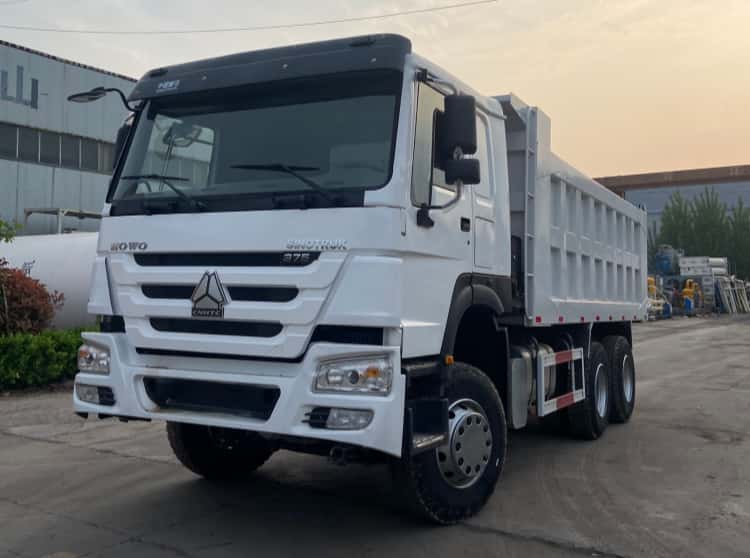
Project‑Driven Demand: Large‑Scale Short‑and‑Medium‑Term Infrastructure & Mining Tasks
A large share of heavy‑truck consumption in emerging markets comes from time‑limited engineering, mineral exploitation and road‑building projects, instead of permanent long‑haul fleets.
- Fixed‑term project operation characteristics: Many infrastructure and mining contracts last 2‑5 years. Buying brand‑new trucks for limited‑cycle projects leads to asset surplus after project completion.
- Flexible fleet scaling: When project volume expands rapidly, certified heavy reman truck support fast capacity expansion without long OEM new‑vehicle lead times.
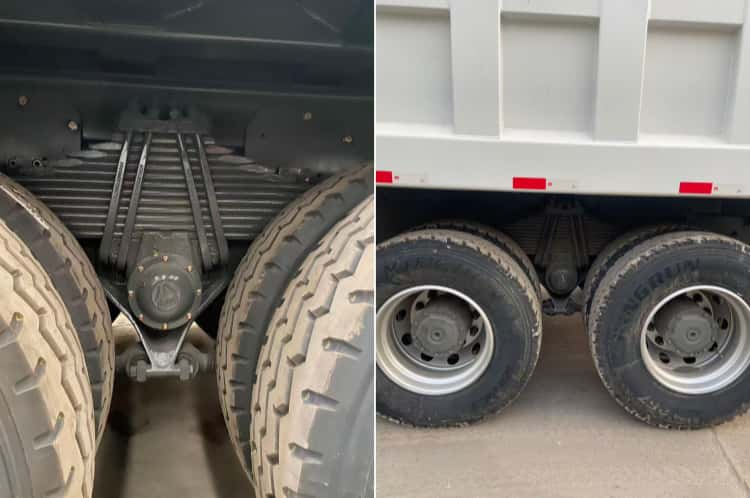
- Adapt to harsh site conditions: Mining sites, unpaved construction roads place severe impact loads on vehicles. Certified heavy reman truck with fully inspected frame, powertrain and braking systems can adapt to high‑intensity site operations.
- After‑project asset mobility: After completion of construction work, certified heavy reman truck still retain usable residual value for resale to regional secondary markets.
Pain Points of Local Used‑Vehicle Market Create Reman Substitution Space
Local used‑truck markets in many emerging markets are dominated by uninspected second‑hand units and cosmetic workshop refurbishment, bringing persistent pain points for fleet buyers.
- Hidden structural defects: Imported cheap used trucks often carry invisible frame cracks, powertrain fatigue damage; faults break out only after entering heavy‑load site operation.
- No unified testing standards for local refurbishment: Small workshops only repair visible failures. There are no bench tests, road validation or systematic part renewal procedures.
- Lack of traceable records: Used and locally refurbished trucks come without inspection logs, parts replacement lists or formal warranty support. Once failures occur, buyers bear all repair costs.
- High cumulative maintenance expense: Low acquisition price is offset by frequent unplanned downtime and emergency repair costs. Total‑cost‑of‑ownership often exceeds expectation.
Certified heavy reman truck fill this market gap via full disassembly, NDT inspection, multi‑stage performance testing and formal warranty coverage.
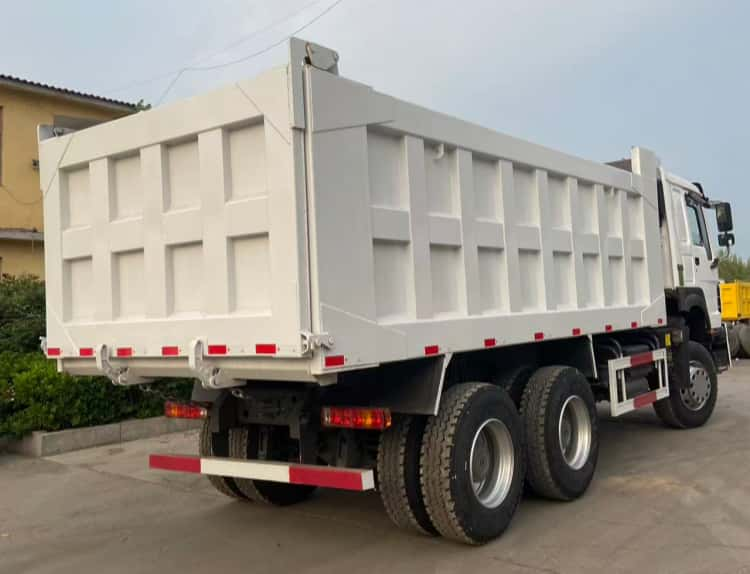
Spare‑part Ecosystem Matching: Mature Aftermarket for Mainstream Chinese Heavy‑Duty Models
Models such as Howo, Shacman and Sitrak have formed huge vehicle parc across emerging‑market regions over the past decades. This creates favourable conditions for certified heavy reman truck popularisation.
- Wide availability of aftermarket spare parts: Local mechanics and component suppliers are familiar with these Chinese heavy‑truck platforms. Parts procurement does not rely exclusively on original factory overseas shipment.
- Technician skill base: Local maintenance teams already accumulate rich repair experience for these mainstream models, lowering technical barriers for daily service of standardised reman units.
- Reman suppliers adopt mature mass‑market models as primary reman objects, avoiding niche models with poor local‑market part support. This differentiates certified heavy reman truck from high‑end European or American used trucks, which face expensive and slow spare‑part supply in remote project locations.
ESG & International Tender Requirements Gradually Spread to Emerging‑Market Projects
More cross‑border infrastructure and mining projects financed by multilateral institutions introduce ESG assessment clauses into bidding evaluation standards.
- Tender qualification threshold: Contractors participating in international‑funded projects need to demonstrate carbon‑reduction performance. Deploying certified heavy reman truck with auditable documentation helps satisfy bid evaluation requirements.
- Scope 3 carbon‑emission control: Using certified heavy reman truck cuts embodied carbon compared with importing large batches of new trucks. Complete standardised reman delivery documents support corporate sustainability reporting.
- Distinction warning: Informal local refurbishment cannot provide verifiable carbon‑saving evidence and cannot satisfy audit requirements of international tenders.
Existing Market Barriers Limiting Reman Popularisation in Emerging Economies
Although demand potential is huge, multiple practical barriers still restrain large‑scale adoption of certified heavy reman truck.
- Customs classification uncertainty: Many emerging‑market customs authorities lack independent legal definitions for certified heavy reman truck. Reman units may be classified as ordinary used vehicles, triggering high import duties or cargo detention.
- Local buyer cognition gap: Many regional buyers still confuse certified heavy reman truck with ordinary refurbished truck. They tend to judge value merely by surface appearance and initial purchase price.
- Uneven local after‑sales infrastructure: In remote mining and construction zones, professional service capacity for reman key‑assembly warranty claims is insufficient. Spare‑part stocking for reman‑specific renewed assemblies remains immature.
- Document‑acceptance uncertainty: Some local vehicle‑registration departments are unfamiliar with standardised reman certificate, test report and traceability dossier formats, creating registration obstacles for imported reman trucks.
- Price gap versus cheap workshop‑refurbished goods: Formal certified heavy reman truck carry higher production and QA costs. Price‑sensitive small buyers still tend to select low‑cost informal alternatives.
Future Growth Outlook for Heavy Reman Trucks in Emerging Markets
- Improvement of cross‑border documentation system: Standardised reman delivery dossiers including reman certificate, full inspection reports and VIN‑bound traceability logs will gradually resolve customs and registration obstacles.
- Local distributor‑service‑partner model: Global standardised reman suppliers cooperate with regional heavy‑truck distributors to build local warranty service networks and spare‑part inventory for remote project sites.
- Project‑oriented packaged solutions: Provide bundled packages including standardised reman truck supply, limited‑on‑site service support and spare‑part kits for medium‑term infrastructure and mining contractors.
- Buyer knowledge popularisation: More international tenderers and large prime contractors will set clear standardised reman assets evaluation criteria, guiding local subcontractors to distinguish standardised reman from low‑grade refurbishment.
Conclusion
Rising certified heavy reman truck demand in emerging markets originates from realistic commercial logic: constrained capital budgets, massive medium‑cycle infrastructure and mining projects, high‑risk pain points of local informal used‑vehicle markets, plus the mature aftermarket ecosystem for mainstream heavy‑truck models.
At present, customs ambiguity, cognition gaps and imperfect local service networks are still restraining faster penetration. As cross‑border reman documentation becomes standardised and regional service cooperation develops, certified heavy reman truck will become one of the core asset choices for fleet operators across Africa, Southeast Asia, Central Asia and Latin‑American emerging markets.