
Global Heavy Vehicles Remanufacturing Market Trends & Development Prospects
Introduction
The global heavy vehicles remanufacturing industry is entering a new growth phase, driven by circular economy policies, rising new truck prices, tightening carbon emission rules and growing demand for cost-effective fleet assets. For decades, remanufacturing was treated as a niche secondary service in many regions. Today, it is evolving into a formal, standardized industrial sector, competing alongside new vehicle manufacturing and conventional used truck trading.
Market development is uneven across continents. Mature markets and emerging markets display distinct demand characteristics. Meanwhile, industry pain points such as inconsistent standards and low market trust are gradually being addressed by professional brands like REMAN ROAD. This article analyses the core market trends, regional market landscape, key growth drivers, existing industry challenges and long-term development prospects for heavy vehicles remanufacturing worldwide.
Core Driving Forces Boosting Global Reman Market Growth
Escalating procurement cost of brand-new heavy vehicles
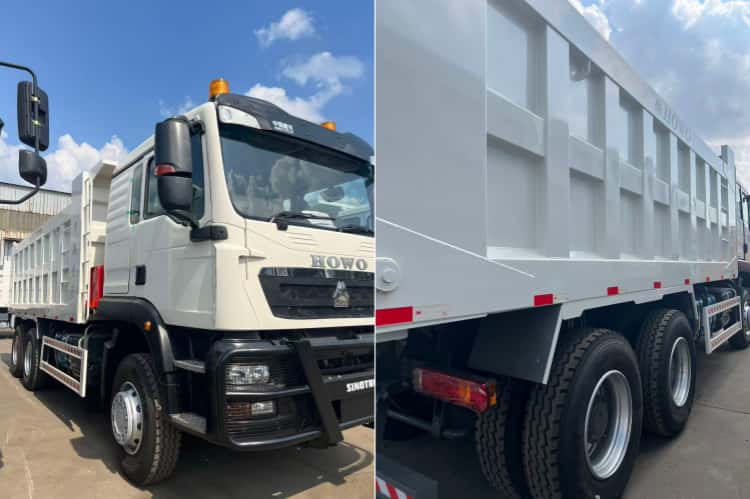
Raw material inflation, upgraded emission hardware and rising manufacturing labour costs push up the selling price of new heavy trucks. Many fleet operators face pressure to expand fleet size while controlling capital expenditure. Certified reman vehicle, with performance close to new vehicles at significantly lower purchase cost, become a practical solution to balance fleet scale and investment budget. This factor is especially prominent in emerging markets with tight project capital budgets.
Circular economy and carbon reduction regulations
Many countries have rolled out circular economy legislation, encouraging component reuse and industrial regeneration. Compared with full vehicle scrapping and new vehicle production, heavy vehicles remanufacturing saves raw steel, reduces energy consumption and cuts greenhouse gas emissions. For fleets targeting ESG compliance, reman vehicles help lower the carbon footprint of transport and construction operations. Carbon-conscious policies will continue to create favourable policy environments for standardized reman businesses.
Total cost of ownership awareness among fleet operators
Fleet buyers are gradually shifting decision logic from simple upfront price comparison to full-lifecycle TCO evaluation. Professional fleet managers recognise that properly certified reman vehicles deliver stable uptime, predictable maintenance cycles and competitive residual value. The value of reman vehicles is no longer judged merely by purchase price, but by long-term operational stability.
Growing supply of retired heavy-duty core assets
A large volume of heavy trucks reach their first service life cycle globally. These retired units form the raw material base for remanufacturing. With proper screening, eligible core chassis, axles and powertrain assemblies can be regenerated and re-enter field service, providing sufficient core resources to support the expansion of the reman industry.
Major Global Regional Market Landscape
Mature markets: Europe and North America
Europe and North America have relatively long histories of component-level remanufacturing. Market standards and related certification systems are relatively complete. Local fleets accept reman parts widely, while full-vehicle reman still occupies a smaller market share. Market buyers place heavy emphasis on compliance, traceability and warranty terms. The main challenge is high labour cost, which pushes up local reman processing expenses.
Africa: Fast-growing demand for full-vehicle reman assets
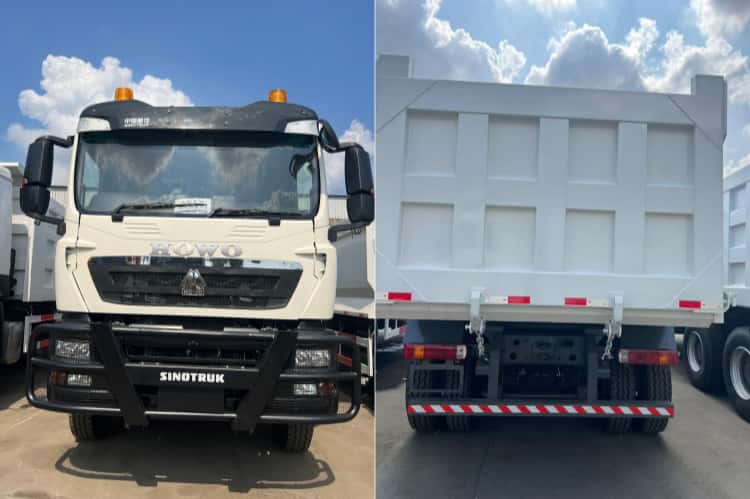
Africa represents one of the most dynamic markets for full heavy vehicles remanufacturing. Infrastructure construction, mining and logistics fleets have strong demand for reliable heavy vehicles, but capital budgets are limited. New trucks are too expensive, while ordinary second-hand trucks carry unpredictable failure risks. Certified reman vehicles become the preferred middle option. The biggest market gap here is unified industry standards and credible traceability systems, which is exactly where REMAN ROAD’s standard output creates value.
Southeast Asia, Central Asia and South America
These regions have large demand from mining, plantation and road construction fleets. Market demand is mixed: some buyers seek low-cost second-hand trucks, while larger professional fleets begin to look for quality-guaranteed reman vehicles. Infrastructure conditions vary widely across countries. Buyers need equipment configured to adapt to local terrain, climate and maintenance capacity. Market education is still ongoing.
Key Industry Trends Shaping the Reman Sector
From random workshop repair to standardized industrial reman
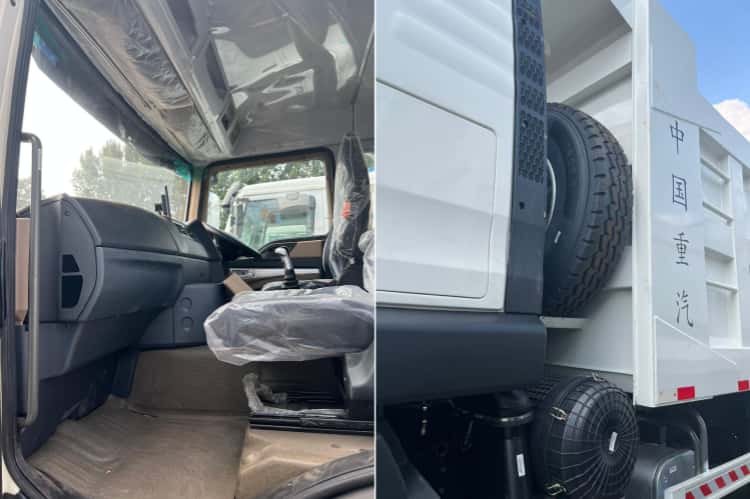
The industry is undergoing a critical transformation. In the past, most “remanufacturing” work was informal workshop repair and cosmetic refurbishment. Now market demand pushes the industry toward industrialised, process-driven reman. Standardized reman workflows, mandatory NDT inspection and full-lifecycle traceability will become basic requirements to distinguish genuine reman from simple refurbishment. Brands that output unified standards will gain greater market trust.
Digital traceability becomes mainstream quality infrastructure
Digital records, unique asset IDs, cloud-stored inspection reports and test data will no longer be optional add-ons. Traceability will become the basic credibility certificate for reman assets. Buyers will require retrievable evidence of every inspection, regeneration and test step. Digital systems also simplify fleet asset management, insurance assessment and secondary resale.
Customised configuration for target job sites
Instead of selling generic reman trucks, leading reman suppliers will offer configuration customisation during the reman process. Adjusting gear ratios, braking systems, sealing and cooling performance to match mining, highway or remote site requirements will become a major competitive advantage. This differentiates certified reman vehicles from static, pre-built second-hand trucks.
Independent third-party certification gains higher recognition
As buyers become more sophisticated, they are less willing to rely purely on self-issued supplier quality statements. Third-party verification and independent inspection reports will grow in importance. Neutral certification systems help reduce information asymmetry in the reman market and lift overall industry trust level.
Component reman and full-vehicle reman develop in parallel
Component reman (engine, transmission, axle) has long dominated mature markets. Full-vehicles remanufacturing is growing quickly in emerging markets. These two models complement each other. Component reman supplies spare parts for fleet maintenance, while complete reman vehicles directly meet the demand of fleet capacity expansion.
Existing Industry Challenges
Lack of unified global industry definition and standards
Different countries and sellers define vehicles remanufacturing differently. Sellers often misuse terms such as refurbished, rebuilt and remanufactured. Without globally accepted unified standards, information asymmetry remains the largest barrier for buyers. This confusion slows wider market adoption.
Core source quality inconsistency
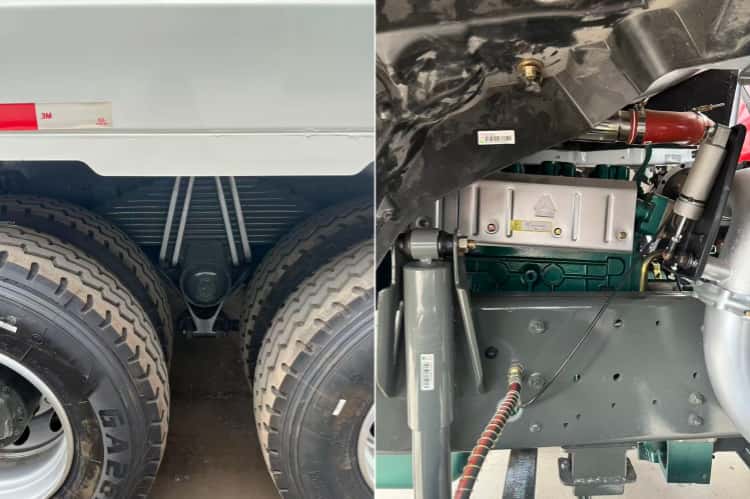
The quality of base core vehicles varies widely. Many retired heavy trucks have suffered overload, collision or fatigue damage. Screening qualified cores requires professional evaluation capability. Poor core screening leads to unstable finished vehicle quality and hurts overall market reputation.
Market education gap
Many fleet operators still hold stereotyped views: equating reman vehicles with old repaired trucks. Industry education is needed to explain the difference between certified industrial reman and simple cosmetic renovation, and demonstrate TCO advantages via real fleet operation data.
Cross-border compliance and logistics barriers
Cross-border reman vehicles trade faces complicated import customs rules, emission certification and documentation requirements. Regional regulatory differences increase transaction complexity for global reman asset trading.
Long-Term Development Prospects
Looking ahead, the heavy vehicles remanufacturing market maintains positive growth potential. As circular economy concepts spread and new vehicle costs stay high, global fleets will gradually accept reman assets as a formal asset category rather than a makeshift low-cost alternative.
The reman market will split into two tiers. Low-end simple refurbishment will continue to exist for price-sensitive buyers, while high-standard certified reman will capture business from professional mining, construction and logistics fleets who value uptime, safety and predictable asset value. Brands focusing on standard formulation, traceability system and quality control will capture the high-value segment.
Technological progress will further reduce reman costs and improve quality: advanced NDT inspection, automated component measurement and digital lifecycle management will lower human error and stabilise quality consistency.
For global fleet investors, reman vehicles will become an indispensable part of diversified asset portfolios. Instead of only choosing new or purely used trucks, fleet managers will allocate assets rationally among three categories according to project cycle, budget and site condition.
Conclusion
The global heavy vehicles remanufacturing market is in a critical transition period from scattered workshop repair to standardized industrial development. Driven by capital pressure, carbon reduction policies and TCO optimisation demand, the market will keep expanding, especially in emerging infrastructure markets.
The core bottleneck is no longer production capacity, but trust and unified standards. Brands that establish repeatable workflows, reliable inspection protocols and complete traceability systems will lead the industry evolution. In the long run, certified heavy vehicles remanufacturing will play an increasingly important role in global heavy fleet asset management, supporting greener, more economical and sustainable development for the whole heavy transport sector.