
How REMAN ROAD Reman Stabilises Residual Value for Fleet Asset Planning?
Intro
Residual value uncertainty is a major blind spot in traditional heavy fleet planning. Generic used and informally rebuilt trucks depreciate erratically, heavily discounted by buyers who cannot verify repair scope, structural integrity or true remaining service life. When residual value falls far below forecasts, fleet owners face unexpected losses at disposal, distort TCO calculations and undermine replacement cycle strategies.
REMAN ROAD reman trucks address this pain point by building consistent, market-recognised asset quality backed by standardised inspection trails, third-party verification and clear grading rules. This predictable value retention lets finance and fleet teams build robust, credible asset plans instead of guessing future resale outcomes.
Standardised grading creates consistent market pricing benchmarks
A core reason for volatile residual value in the secondary truck market is inconsistent asset classification. Vague labels such as “rebuilt” or “good used condition” mean similar-looking trucks attract wildly different offers. REMAN ROAD remanufacturing applies fixed engineering grades that define disassembly depth, mandatory component renewal, testing scope and warranty entitlement for every reman trucks.
This transparent grading framework gives second-tier buyers, dealers and cross-border importers a shared reference point. Prospective purchasers understand exactly what they are acquiring, reducing aggressive lowball offers rooted in fear of hidden defects and narrowing the spread between expected and actual resale value.
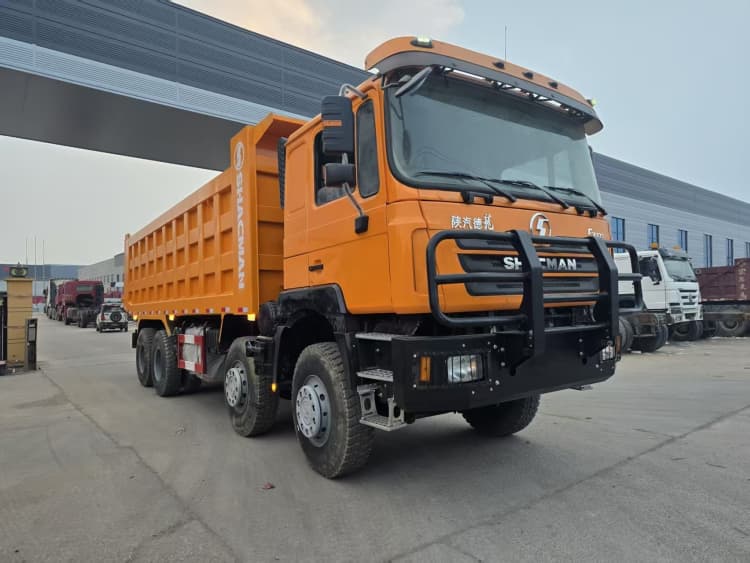
Full traceability dossier preserves provable asset history
Buyers discount assets when critical history is missing or untraceable. REMAN ROAD remanufacturing attaches a permanent audit package to each truck, including VIN lifecycle logs, NDT structural inspection reports, power curve test data, replacement part manifests and service records.
At the point of resale, this complete documentation travels with the asset. The next buyer can independently validate the reman work, rather than relying on seller claims. Verified provenance directly supports stronger valuation and slows accelerated depreciation that plagues undocumented second-hand heavy vehicles.
Third-party endorsement builds cross-market buyer confidence
Residual value weakens when quality proof only comes from the seller’s own internal reports. REMAN ROAD remanufacturing’s independent third-party audit layer separates quality validation from sales interests. Accredited inspectors sign off on compliance with the reman standard, creating neutral evidence that carries weight across regional borders.
For fleets operating international or cross-continental disposal strategies, this neutral certification expands the pool of qualified buyers. Wider demand from informed buyers naturally stabilises pricing and reduces the risk of fire-sale discounts during exit.
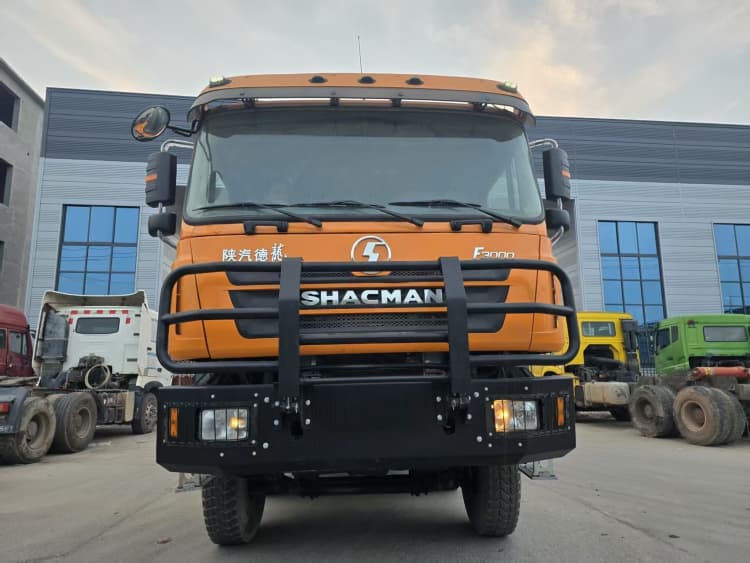
Predictable maintenance and warranty history reduce future liability risk
Asset buyers price in anticipated repair risk. Trucks with unknown maintenance patterns or expired, unenforceable warranty coverage carry a heavy risk premium that suppresses resale value.
REMAN ROAD reman trucks follow standardised maintenance rhythms and come with defined warranty terms clearly recorded in the asset file. The known service schedule limits the unknown future repair exposure for the next owner. Lower perceived risk translates into more stable residual valuations and fewer write-down surprises in fleet balance sheets.
Unified quality limits wide variance between identical batches
Fleet planners rely on uniform depreciation assumptions across bulk-procured assets. Informal rebuild lots often contain wide quality variation within the same purchase batch, so some trucks hold value well while others rapidly lose worth.
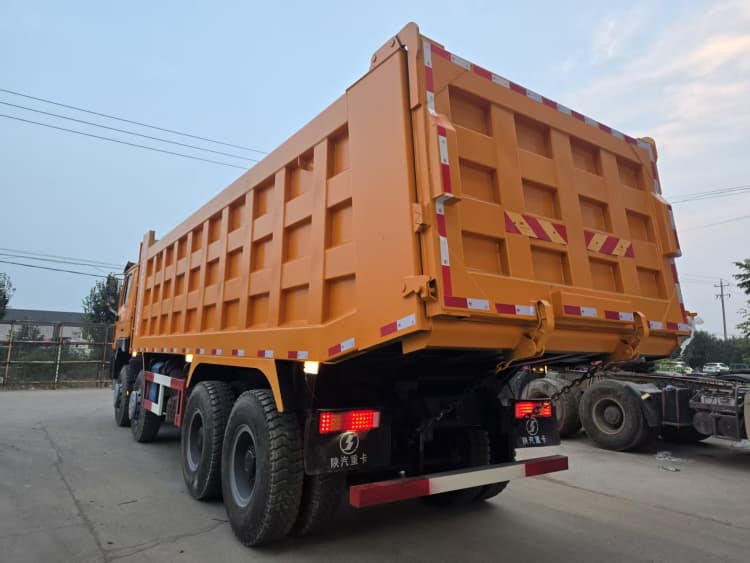
REMAN ROAD’s repeatable inspection and reman protocol tightens performance and reliability variance across every batch. When a fleet disposes multiple reman trucks at the end of the project cycle, their residual values cluster closely together, making group asset forecasting and portfolio turnover planning far more accurate.
Closing
Stable residual value is not a happy side effect of REMAN ROAD remanufacturing — it is built into the asset design from day one. By pairing fixed quality grading, immutable traceability records and independent third-party validation, REMAN ROAD remanufacturing removes the information risk that drives unpredictable depreciation in conventional used truck markets.
For fleet managers, this means TCO models, replacement cycles and exit strategies can be planned with confidence, turning residual value from a volatile risk into a dependable input for disciplined long-term asset management.
One Comment