
Why Genuine Reman Trucks Simplifies Fleet Compliance For Multi-Country Haul Operations?
Intro
Multi-country haul fleets face a fragmented compliance landscape. Each territory enforces separate rules for vehicle technical checks, emissions, brake safety, import inspection, roadworthiness and environmental reporting. Ordinary used trucks carry patchy service histories, undocumented modifications and unknown prior overloads. Every border stop, registration renewal or audit becomes a high-risk, document-heavy bottleneck.
REMAN ROAD Genuine reman trucks creates a single, portable proof package that travels with the VIN, helping compliance teams demonstrate consistent roadworthiness across different national requirements, rather than rebuilding a compliance case for every country.
The Compliance Headache of Generic Used Trucks Across Borders
For uncertified used heavy trucks, compliance evidence is fragmented. Service records may be incomplete, handwritten or in a different language. Modifications, swapped powertrain components and unrecorded structural repairs create mismatches between the vehicle and local inspection checklists. Border inspectors, transport authorities and customs officers interpret ambiguity conservatively.
This leads to detention, extra mandatory inspections, registration rejection or fines. When a fleet rotates trucks across three, four or more operating countries, the administrative burden multiplies: each jurisdiction demands its own proof of safety, emissions and structural integrity. Fleet teams often maintain separate inspection files, local test certificates and translator notes for every unit, which creates costly admin overhead and compliance gaps.
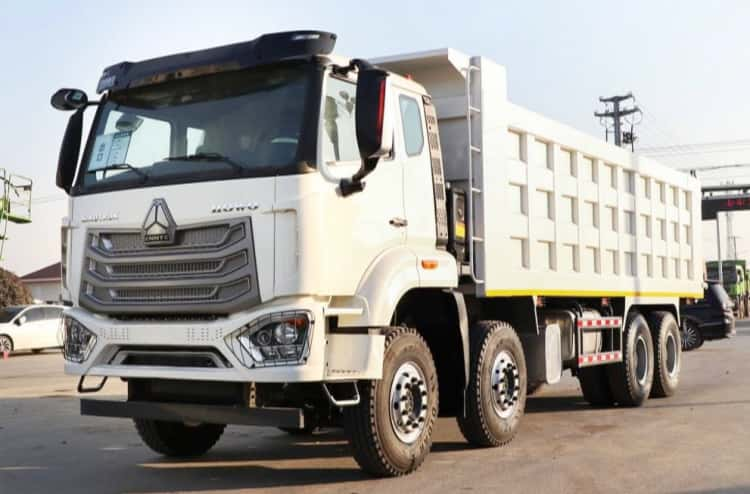
Standardised, Auditable Dossier Acts as Portable Compliance Evidence
Every REMAN ROAD genuine reman trucks carries a complete, digital VIN-locked reman dossier. It includes NDT structural reports, powertrain bench test logs, torque assembly records, component renewal lists, emissions validation results and third-party audit sign-off. This single source of truth is structured to be cross-border readable. It does not replace local registration paperwork, but it supplies the underlying technical evidence most inspectors require.
Instead of chasing old workshop receipts or trying to prove what was repaired years ago, the compliance team can submit the same validated rebuild package for inspections in different countries. This drastically reduces the need for repeated, full teardown inspections at each new import or registration point.
Consistent Reman Specs Reduce Regulatory Interpretation Risk
Different countries have different acceptance thresholds for heavy vehicle safety, braking and exhaust performance. A truck rebuilt with ad-hoc, non-standard parts may pass inspection in one nation and fail in the next. Genuine reman trucks follows a fixed, engineered consistent reman scope with approved component families and defined performance tolerances.
Brake systems, hydraulic circuits, engine calibration and emission-related parts are renewed and tested against a stable baseline. While local emission standards still apply, the documented reman baseline removes the biggest variable: unknown, non-compliant field modifications. For tender and export fleets, this means fewer surprises when moving assets between regional markets. The technical condition is predictable, and compliance modelling can be built around the same standard.
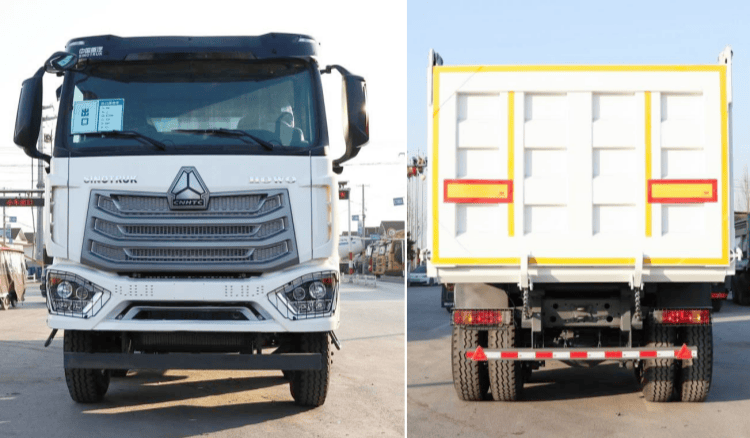
Duty Grading and Telematics Logs Support Operational Compliance
Many cross-border transport rules govern maximum payload, axle load, route suitability and off-road operating limits. Undocumented used trucks offer no proof of designed operating envelope, so inspectors may assume the truck is being operated outside safe limits. REMAN ROAD genuine reman trucks duty grading is permanently attached to the VIN record. Telematics logs track post-rebuild load cycles, payload and operating terrain.
These genuine reman records serve as evidence during audits for weight compliance, site safety rules and operator liability reviews. For multi-country quarry and mining haul contracts, this helps demonstrate that the fleet is dispatched within engineered limits, supporting safety governance and insurance compliance across jurisdictions.
Simplified ESG and Circular Economy Reporting for Cross-Border Tenders
Many international tenders and cross-border client contracts now require verifiable ESG, carbon accounting and waste reduction documentation. Generic used trucks cannot easily prove circularity, because there is no formal rebuild boundary separating first-life wear from second-life reuse.
Genuine reman trucks provides auditable proof of component reuse, scrap reduction and controlled material recovery. This evidence is accepted across many global ESG frameworks. Instead of compiling fragmented sustainability statements for each territory, the fleet uses the reman audit trail to deliver consistent carbon and waste reporting for every project.
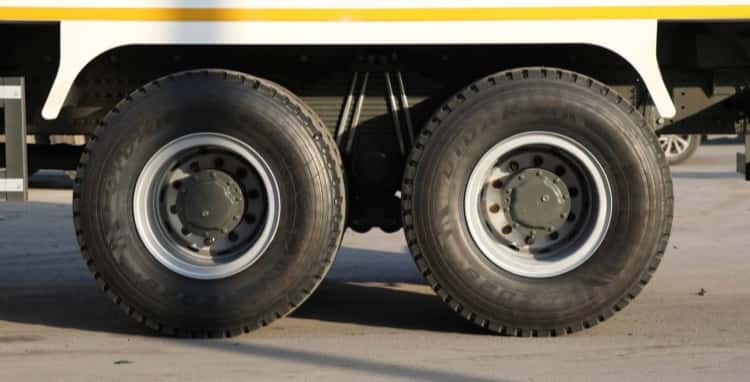
Warranty Transferability and Liability Clarity
Liability rules shift from country to country. If a mechanical failure occurs, authorities may ask whether the defect was pre-existing, repair-related or caused by operation. Genuine reman trucks’s transferable warranty and clear rebuild scope create a defined liability line.
Covered rebuild defects are separated from post-delivery misuse. This reduces disputes during roadside audits, accident investigations and insurance claims across borders. Ordinary used trucks carry no such clear division, which can drag fleets into lengthy compliance and liability disputes.
Boundary Note
Standardised reman dossier does not override local law. Each country still requires mandatory registration, local roadworthiness tests, customs declarations and emissions certification specific to its territory.
The reman dossier accelerates and simplifies those processes; it cannot automatically grant import approval or waive local inspection requirements. If a unit is operated outside its duty grade, the resulting damage will still create compliance and safety risks.
Q&A
Q: Will the reman dossier be accepted by every country’s transport authority? A: Not universally. It provides defensible technical evidence, but acceptance depends on local import and vehicle regulations. It is far easier to pre-validate reman trucks than an undocumented used trucks.
Q: Does this help with temporary cross-border transit versus permanent import? A: Yes. For temporary movement on international haul permits, the audit package speeds up roadside checks and reduces the chance of detention for unknown mechanical condition.
Q: Can I use the same dossier for multiple fleet assets in different countries? A: Each VIN has its own unique dossier. Units built to the same duty grade share the same standard workflow, so compliance teams can reuse a consistent documentation template for the whole fleet pool.