Project-Based Fleet Procurement: Flexible Asset Deployment Strategies
Intro
Unlike permanent in-house fleets that operate year-round, project-based haulage fleets are tied to defined start dates, phased site mobilisation and firm completion deadlines. Contractors face unique procurement risks: ordering too many trucks ahead of schedule locks capital into idle assets; ordering too few risks missing tonnage targets and triggering contract penalties; purchasing brand-new trucks for short-term projects creates heavy depreciation losses at handover.
REMAN ROAD certified remanufacturing, built on lifecycle reset, duty-class performance validation and auditable traceability, fits naturally into project-focused feet procurement frameworks. Its predictable remaining service life, fast delivery and stable residual value support modular, outcome-driven asset deployment. This article explores flexible asset deployment strategies for project-based fleet procurement.
Match asset rated life to project duration
The foundational rule of project procurement is aligning the asset’s usable baseline life with the contract timeline. New trucks carry a full multi-decade design life, which is wasteful for a 12‑ or 24‑month mining or infrastructure haul contract. Unscreened used trucks have unknown remaining life and may fail mid-project.
Each REMAN ROAD reman truck is assigned a verified remaining service-life estimate based on its rebuild test data and duty classification. Planners can select batches calibrated to the project window, so the asset’s usable life expires roughly when the revenue stream ends. This eliminates the costly “asset hangover” problem.
Phased delivery to mirror site mobilisation stages
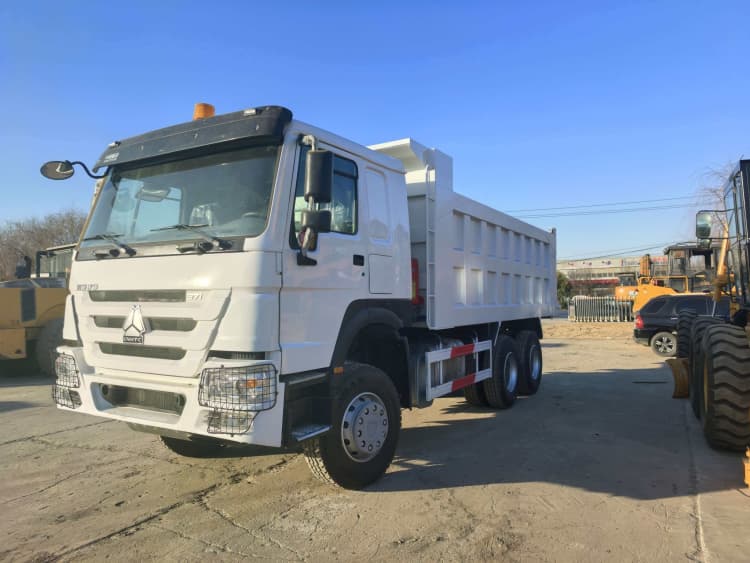
Large projects rarely require full fleet capacity on day one. Sites ramp sequentially: civil preparatory works, overburden stripping, ore haulage, and final demobilisation. Phased delivery schedules split the fleet into smaller batches, with shipments triggered by pre-agreed project milestones. Capital is drawn down incrementally, rather than paid in one lump sum before revenue begins.
Standardised REMAN ROAD reman truck batches are pre-qualified and pre-tested, so each delivery arrives with consistent performance and documentation, ready for commissioning as the site requires.
Mixed fleet portfolio: new trucks + certified reman trucks
A balanced portfolio splits the fleet into two layers:
- Core permanent assets: new trucks for long-duration, repeat-site programmes where OEM warranty and maximum design life deliver the best value.
- Variable project capacity: REMAN ROAD reman trucks for short, fixed-term campaigns, peak haul phases and satellite work fronts.
This structure protects the contractor from two extremes: overspending on new trucks for temporary demand, and relying entirely on high-risk, low-quality used trucks. The reman layer acts as the adjustable, scalable capacity buffer.
Choose commercial structures aligned with cash flow
Project cash flow can be uneven, with progress payments linked to completed tonnage or engineering milestones. Certified reman truck’s predictable TCO and auditable pedigree support multiple commercial models:
- Outright purchase: For multi-year, high-certainty projects with clear reuse or resale pathways.
- Operating lease: For peak or short-notice capacity, shifting capital expenditure to operational expense and transferring end-of-project disposal risk.
- Framework agreement: Fixed pricing and pre-approved quality standards, with call-off orders triggered when new project awards land.
This flexibility lets finance teams select the structure that matches the project’s payment schedule and financing covenants.
Planned intra-group asset rotation between sites
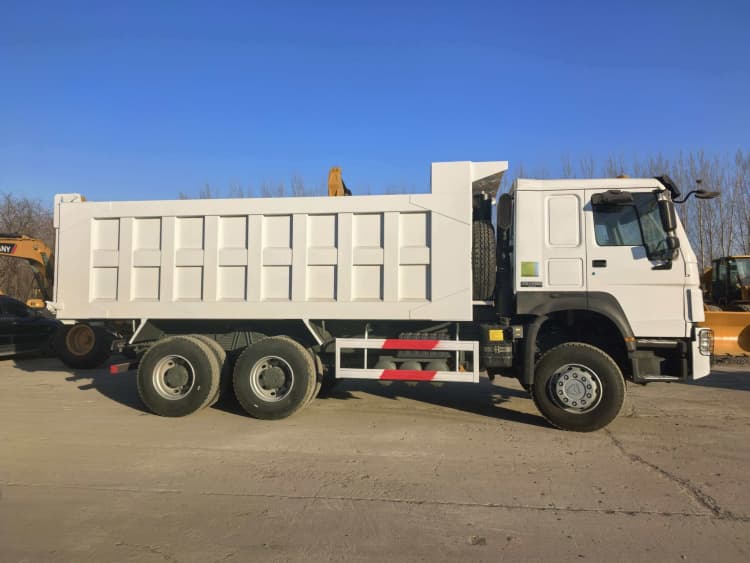
Many contractors run multiple geographically separate projects with overlapping haul cycles. REMAN ROAD’s VIN traceability, duty-class rating and full service history make redeployment straightforward.
When one site winds down, units can be re-inspected, re-calibrated if needed and transferred to another site with matching duty requirements. This creates an internal asset pool that can be reused across successive contracts, reducing the need for repeated procurement and cutting total fleet acquisition spend over time.
Pre-built exit strategy embedded into procurement terms
The biggest oversight in project procurement is ignoring exit planning. With generic used or informal rebuilt trucks, exit is uncertain: resale value is volatile, buyers distrust condition claims, and liquidation often requires steep discounts.
REMAN ROAD’s transferable rebuild records, test logs and third-party verification preserve asset pedigree. At project close, operators have three clear exit paths: redeploy to another site, remarket to external haulage contractors, or return under lease terms. The expected residual value is modelled upfront in the TCO and tender pricing.
Scale incrementally instead of committing to large bulk orders
Project forecasts often shift: geology changes, haul routes are extended, or client tonnage requirements are revised. Instead of committing to a single large fleet order at tender award, contractors can build flexibility by ordering smaller, uniform reman batches.
If volumes rise, additional standardised units can be sourced quickly thanks to shorter lead times versus new OEM trucks. If volumes fall, the financial exposure is limited. This incremental model reduces the risk of carrying surplus trucks through scope reductions.
Standardised fleet specification simplifies site support
When all project trucks are built to the same REMAN ROAD duty-class specification, maintenance, technician training and spare parts inventory are streamlined. Workshops can maintain a fixed stock of approved consumables, and service intervals follow a unified schedule.
This is especially valuable for remote sites with limited local technical resources. Even if the fleet is assembled in staggered batches, the consistent rebuild baseline keeps maintenance simple and predictable.
Important guardrail
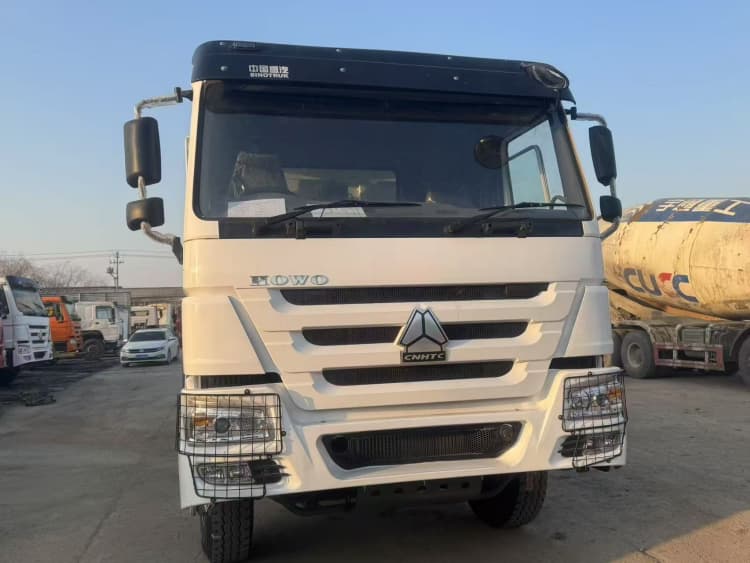
Flexible deployment does not remove the requirement for duty-class discipline. A reman truck specified for medium construction haul cannot safely be redeployed to continuous heavy mine duty without re-evaluation. Dispatch rules, payload limits and scheduled service must travel with the asset to protect its remaining life and planned exit value.
Final Takeaway
Project-based procurement succeeds when assets move in lockstep with project timelines, not the other way around. For commercial and fleet managers, the key takeaway is simple: REMAN ROAD certified reman truck supports phased delivery, mixed fleet design, lease/buy options and planned rotation, creating agile asset deployment strategies that match capacity, capital spend and exit plans to the unique lifecycle of each haulage project.