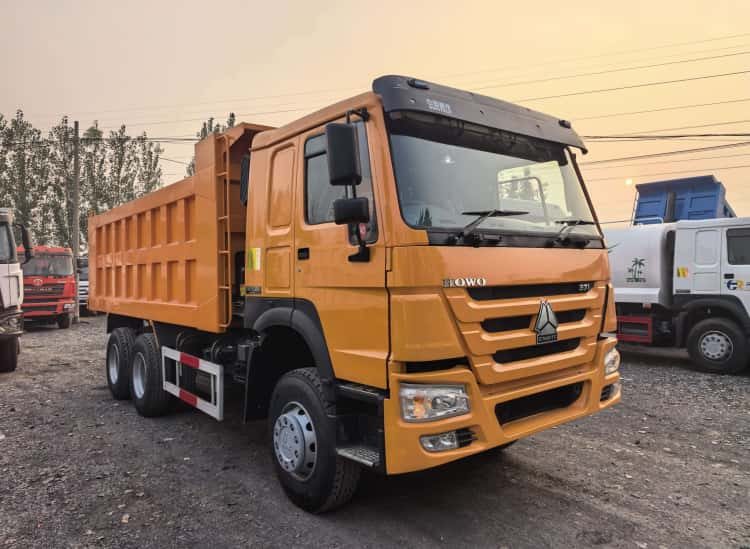
Reman Unit Procurement Logic for Mining and Construction Project Fleets
Introduction
Mining and construction fleets operate under the harshest working conditions: continuous full loading, rough unpaved tracks, steep slopes, heavy vibration, dust and cyclic impact loads. Unlike highway long-haul fleets, downtime penalty is extremely high — one truck breakdown can halt an entire loading and haulage chain and cause massive project losses.
Procuring reman units for these project fleets cannot rely on simple price comparison. The procurement logic must rank reliability and structural safety above upfront CAPEX, match reman duty grade to site conditions, lock in traceable reman processes, and build contingency planning for on-site maintenance. This page explains the end-to-end procurement logic specially built for mining and construction project fleets.
Core Priority Ranking for Mining & Construction Reman Procurement
Reorder evaluation weights: safety & reliability > traceability > warranty > upfront cost: High downtime cost changes the whole evaluation logic compared with regular road transport fleets.
- First priority: Structural safety and heavy-load reliability. Frame, axle housing, crankshaft and brake system integrity are non-negotiable. Any hidden fatigue crack will lead to catastrophic failure on site.
- Second priority: Full reman processes traceability. Every critical component inspection, replacement and test record must be VIN-bound and auditable.
- Third priority: Duty-matched specification. Reman unit must be built for off-road severe duty, not standard highway reman.
- Fourth priority: Warranty and local after-sales support. Remote mine sites need fast spare parts and technical response.
- Last priority: Upfront purchase price. Cutting cost by selecting non-certified refurbishment will trigger far larger financial loss from downtime.
- Evaluation scoring matrix must reflect this weighting; low-price bids that fail structural audit should be eliminated directly.
Pre-Procurement Site & Project Parameter Definition
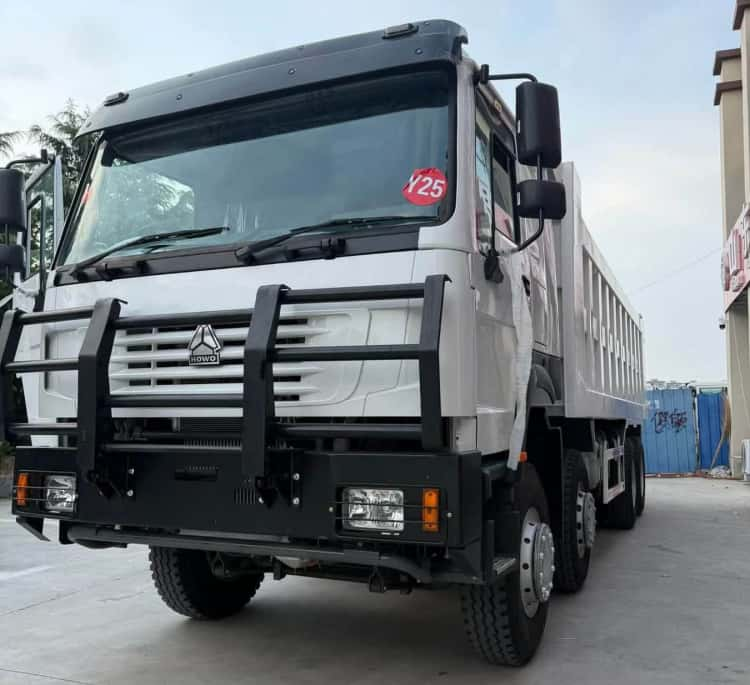
Quantify site operating parameters before drafting RFQ: Before contacting suppliers, the fleet team must quantify site conditions to define reman specification, instead of buying generic reman units.
- Project cycle: Confirm contract duration, planned asset holding period and exit plan.
- Load profile: Rated payload, frequency of full load, average slope, maximum gradient, daily operating hours.
- Road condition: Permanent mine haul road / temporary construction rough track / mixed paved-unpaved route.
- Environmental factors: altitude, extreme high/low temperature, dust concentration, corrosive soil or coastal humidity.
- Downtime economic cost: Calculate hourly loss if one tractor or tipper stops working. This value determines how much budget can be allocated to certified reman unit.
- Maintenance capacity: On-site workshop level, available spare parts inventory and local service manpower.
Severe-Duty Reman Technical Specification Gate
Mandatory reinforced technical requirements for mining & construction reman units: Based on REMAN ROAD baseline, add severe-duty adaptation clauses for off-road heavy cycle.
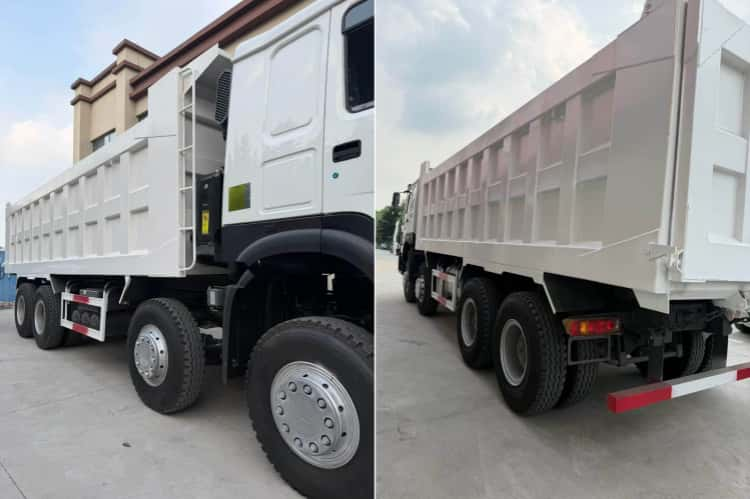
- Frame QA: Shot blasting + full NDT inspection. Restrict frame repair scope; only minor controlled welding repair is allowed. Reinforced cross-member inspection.
- Powertrain: Extended dynamometer full-load cycle test. Upgrade air filtration and cooling system. Strict tolerance control for crankshaft, connecting rod and cylinder block.
- Axle, suspension and braking: Heavy-duty axle assembly inspection. Replace fatigue leaf springs and shock absorbers. Full brake system rebuild with air tightness and thermal fade test under repeated steep slope braking.
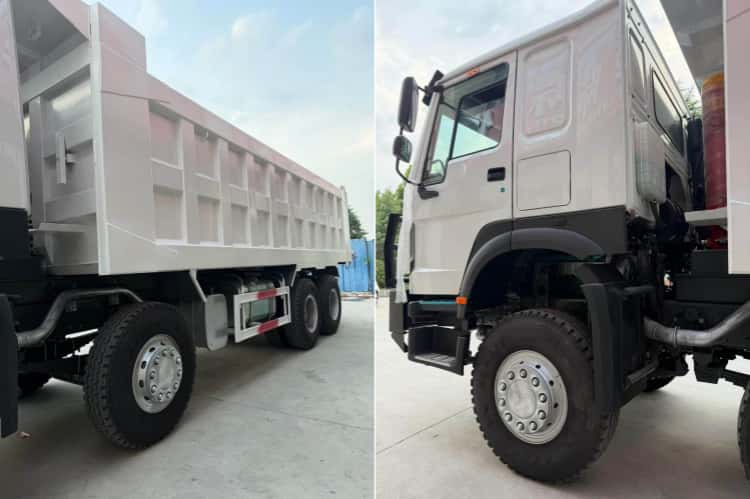
- Hydraulic system (tipper): Mandatory full seal renewal, pressure holding test and hundreds of continuous lifting/lowering cyclic test. Upgrade scratch-resistant cylinder rods and heavy-duty hydraulic hoses.
- All aging consumables, rubber parts and bearings must be replaced with new OEM-equivalent parts.
- The supplier must clearly mark “Severe Off-Road Duty” in reman traceability dossier and state operating limits.
Reman Factories Qualification Logic for Mining & Construction Reman
Filter reman factories by heavy-duty reman execution capability, not general reman capacity: Many reman factories produce highway reman units but lack experience in mining off-road assets.
- Verify past reference cases: Check delivery records for mining or large construction fleets, obtain field performance feedback.
- Audit factory capability: Confirm they own NDT equipment, heavy-load dynamometer, hydraulic bench and off-road loaded road test capacity.
- Assess spare parts supply network: Evaluate lead time for core replacement assemblies for remote mine sites.
- Review warranty claim history: Focus on failure types, especially structural or brake-related warranty incidents.
Tier 1 suppliers with REMAN ROAD severe-duty certification are preferred; reman factories only capable of highway reman are excluded for mine core haulage fleet.
Financial TCO Modelling Logic Instead of One-Time CAPEX Comparison
Calculate total cost including downtime risk for mine and construction projects: For mining and construction fleets, TCO model has a unique downtime loss module that highway fleets usually ignore.
- CAPEX: Reman procurement cost, shipping, import duty, pre-shipment inspection expense.
- Planned OPEX: Scheduled maintenance, consumable replacement, site service labour.
- Unplanned risk cost: Probability of breakdown multiplied by downtime hourly loss. This is the biggest variable in mine project calculation.
- Residual value: Asset value at project end, considering heavy-duty wear. Severe-duty reman residual value is lower than highway reman.
- Scenario comparison: Compare certified severe-duty reman, new trucks and ordinary overhaul/refurbished trucks.
- Key conclusion: Low-price refurbished units often have attractive upfront price, but the risk of unplanned shutdown makes TCO far higher for mine and construction projects.
RFQ & Contract Special Clauses for Mining & Construction Reman
Add mine-site oriented liability and acceptance clauses: Standard reman RFQ templates need extra protection for high-risk off-road projects.
- Explicitly require severe off-road duty specification; ban delivery of highway-standard reman units.
- Full traceability dossier requirement, including all NDT, bench test and cyclic hydraulic test records.
- Pre-shipment third-party inspection on structural assemblies and system performance.
- Misclassification penalty clause: If asset is proven only overhaul/refurbished instead of certified severe-duty reman, define compensation for potential project downtime.
- Warranty terms: Extended coverage on frame, axle, powertrain and brake assemblies; clearly list abuse exclusions such as overloading beyond rated payload.
- Spare parts supply commitment: Fixed lead time for emergency component delivery to remote site.
Pre-Shipment & Site Acceptance Verification Logic
Focus audit on high-risk assemblies instead of cosmetic appearance: Buyer inspection priority for mining and construction certified reman units differs from regular truck inspection.
- Factory PSI: Verify frame NDT report, axle housing inspection record, engine dynamometer curve and hydraulic cyclic test data. Cross-check serial numbers of key assemblies against VIN traceability file.
- Physical inspection focus: structural welds, brake circuit tightness, hydraulic leakage, suspension condition. Appearance paint quality is low priority.
- On-site receiving check: ECU fault scan, static leakage test, trial lifting for tipper models.
- Short trial operation on site before full commissioning, to catch assembly or system coordination issues early.
Fleet Operation & Contingency Planning
Build backup fleet strategy to mitigate reman asset failure risk: Even certified severe-duty reman still requires fleet contingency planning for mining projects.
- Reserve backup vehicles ratio: set standby trucks according to project haulage chain requirement.
- Align maintenance schedule with reman duty grade; shorten service intervals compared with highway reman units.
- On-site spare parts stocking: pre-position critical assemblies such as brake valves, hydraulic seals and engine wear parts.
- Field failure root cause tracking: record all breakdowns and feed back data to supplier performance evaluation.
Common Procurement Logic Pitfalls for Mining & Construction Fleets
Frequent wrong assumptions that lead to costly site failures:
- Treat highway reman and mining severe-duty reman as identical, buy standard reman for off-road mine haulage.
- Prioritise purchase price over structural inspection records, ignoring high downtime penalty.
- Accept partial reman: only remanufacture engine while frame, axle and brake system remain worn original condition.
- Skip NDT verification, rely only on visual inspection of frame and axle housing.
- No backup fleet plan; the whole haulage chain collapses when one truck fails.
- Vague contract without duty classification, suppliers deliver lower-spec assets.
Asset Exit Logic After Project Completion
Resale or redeployment plan for used severe-duty reman units:
- After mining / construction project ends, perform full re-inspection and re-grade assets.
- Option 1: Redeploy to smaller, shorter-cycle construction subcontract projects.
- Option 2: Sell to secondary fleets, transfer full REMAN ROAD traceability documents to new buyer.
- Assets with accumulated heavy fatigue after multi-year mine operation should be retired and scrapped, not sold for another heavy-duty project.
Conclusion
Reman unit procurement logic for mining and construction project fleets differs fundamentally from highway fleet purchasing. The core principle is prioritising structural safety and heavy-load reliability, quantifying site working parameters first, selecting severe-duty REMAN ROAD certified reman unit, and building TCO models that include downtime economic losses.
Reman factories qualification focuses on off-road heavy-duty reman capability, and contracts must add strict acceptance, traceability and liability clauses. With pre-shipment audit, on-site maintenance contingency planning and clear asset exit strategy, fleets can leverage certified reman unit to control CAPEX while avoiding catastrophic on-site breakdown risks.