
Fleet Asset Portfolio Strategy: Matching Asset Life to Project Life
Intro
Many fleet planners treat truck procurement as a one-off buying decision: they source whatever is available at the best price, then assign units to projects without matching asset life to contract timeline. This creates portfolio imbalance.
For a 2-year mining haul contract, buying a brand-new truck with a 10-year design life locks up capital that will sit idle once the project ends. Conversely, buying undocumented second-hand trucks with unknown remaining life risks mid-project catastrophic failure and contract liquidated damages.
REMAN ROAD certified reman trucks come with an engineered, audited remaining-life baseline, defined duty rating and full traceability. This gives planners a reliable building block for portfolio optimisation. This article explains how to build a fleet asset portfolio strategy that matches asset life to project life.
Step 1: Map project timeline, duty severity and exit obligations first
Before selecting asset types, document core project parameters:
- Contract start date, handover date, scheduled end date, optional extension periods
- Duty classification: light highway, heavy cyclic mining haul, rough off-road, steep grade operation
- Performance clauses: required fleet availability, downtime penalty rates, ESG audit requirements
- Exit rules: whether assets must be removed from site, resold, redeployed to next project or returned under lease
These variables decide what “asset life” you actually need, not just the longest possible service life.
Step 2: Tier your asset pool by verified remaining life
Split your fleet portfolio into three tiers, with clear life expectations:
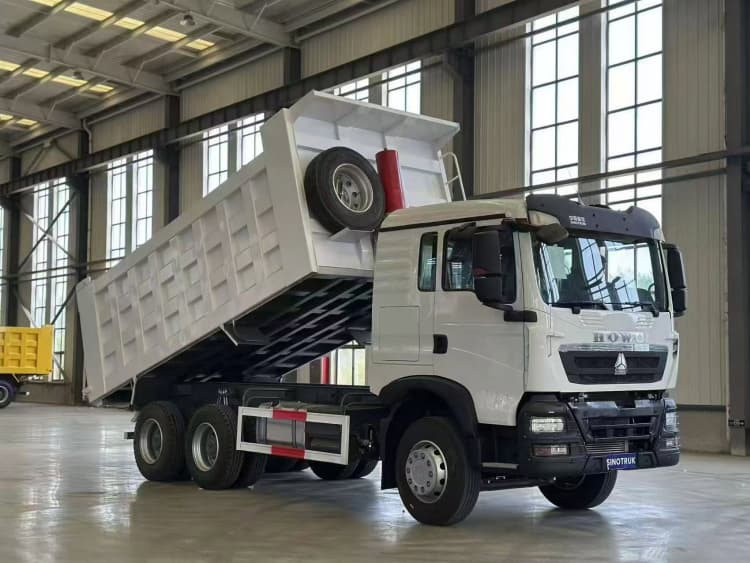
- Short-life certified reman assets: 1–3 years verified remaining life. Ideal for fixed-term earthmoving, road construction, short mine phases. Low upfront cost, matched to short project windows, easy to dispose of after completion.
- Medium-life certified reman / low-hour new assets: 3–6 years remaining life. Suitable for multi-phase mining, regional logistics, repeat framework contracts with likely extensions. Balances capital outlay and redeployment flexibility.
- Long-life new or premium reman trucks: 6+ years of service life. Reserved for permanent operations, internal core logistics fleets, long-term concessions.
The key principle: do not deploy long-life, high-cost new truck or premium reman trucks on short-cycle projects unless you have a confirmed follow-on assignment.
Step 3: Avoid the two common portfolio mistakes
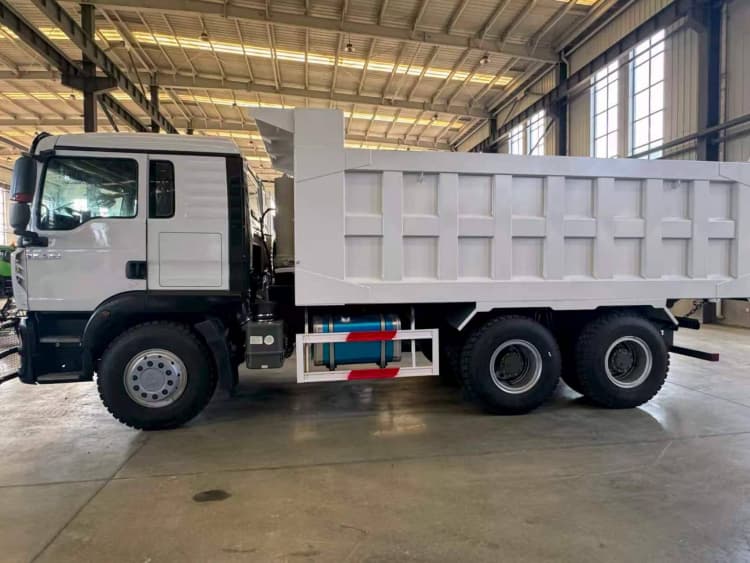
- Over-capitalisation: Deploying new trucks for a 2-year project. Heavy initial depreciation hits immediately. When the project closes, the truck loses a large portion of its value and you carry idle asset holding costs.
- Life underestimation: Deploying unknown-condition second-hand trucks with unproven life expectancy. If the asset fails halfway through the contract, emergency replacement costs, shipment delays and downtime penalties far outweigh the purchase savings.
Certified reman trucks sits in the middle ground, filling the gap for fixed-duration projects where you need predictable reliability without long-term asset ownership.
Step 4: Build staggered replacement and rotation logic
For operators running multiple overlapping projects, stagger asset expiry dates. If you have three separate projects ending in Year 1, Year 2 and Year 3, match expiring assets to each project end date. This prevents a scenario where your entire fleet reaches end-of-life in the same quarter, creating a sudden, massive capital call for replacement trucks. When one project finishes, assets with residual life can be reassessed, re-audited and reassigned to another compatible duty-class project. Traceability records make reallocation and re-certification straightforward.
Step 5: Tie asset life assumptions into TCO and tender pricing
Remaining asset life is a core input for TCO and per-tonne haul cost modelling. When the asset life aligns perfectly with project life, depreciation is fully amortised within the contract revenue window. If you plan to resell after the project, the model includes the projected residual value based on certified reman pedigree. This lets you submit competitive, profitable tender pricing, instead of guessing depreciation or absorbing unexpected write-downs.
Step 6: Use duty-class boundaries to protect planned service life
Asset life is not fixed on paper. A reman truck rated for medium highway duty will burn through its remaining life quickly if assigned to heavy cyclic mining. Portfolio strategy includes dispatch governance: matching not only time horizon, but also load and terrain duty. REMAN ROAD duty-class labelling and traceability records help maintenance and dispatch teams enforce this rule, preserving the planned lifecycle timeline.
Step 7: Stress-test the portfolio for contract extensions
Most engineering projects have optional extension clauses. Your portfolio should include a small buffer: a share of medium-life assets that can absorb a 1–2 year extension without immediate replacement. If the extension is not activated, these units can still be resold or rotated out at predictable residual value. Pure short-life assets are not suitable if extensions are highly likely.
Step 8: Track portfolio health with lifecycle KPIs
Monitor these metrics continuously across the portfolio:
- Average remaining life by duty class and project
- Mismatch rate: percentage of assets whose expected expiry falls far before or after project end
- Actual vs estimated retirement date
- Resale value realised vs forecast
- Unplanned downtime correlated with asset age and duty
This feeds back into procurement planning, so future buying decisions gradually reduce mismatches.
Important guardrail
Even the best life-matching strategy depends on the credibility of the remaining-life estimate. REMAN ROAD’s life baseline is an engineering forecast under defined duty and maintenance conditions. Overloading, poor maintenance or dusty, extreme operating conditions will shorten actual service life and break the portfolio plan. Life matching is a planning tool, not a guarantee against wear.
Final Takeaway
Fleet asset portfolio management is not only about buying reliable trucks; it is about buying the right lifespan for the job. For fleet and commercial managers, the key takeaway is simple: matching verified reman asset life to project duration eliminates trapped capital and mid-contract asset failure risk, creating a balanced, predictable fleet portfolio that supports stable tender margins and flexible asset rotation.