
Why Predictable Reman Reduces The Contingency Cash You Need to Hold for Breakdowns?
Intro
Fleets routinely set aside large contingency cash buffers to cover sudden breakdowns, emergency parts and towing. Predictable remanufacturing narrows the range of possible failure events, so finance teams can shrink this emergency reserve while still protecting operations against mechanical risk.
Where Traditional Breakdown Contingency Comes From?
Contingency cash exists because unknown-quality used and refurbished trucks carry wide uncertainty. No one can reliably forecast when a hidden powertrain, chassis or brake failure will strike. Finance must hold substantial liquid reserves to absorb random repair bills, overtime labour and site downtime penalties. This idle cash cannot be deployed for fuel, labour, tender bids or fleet expansion. It is capital locked away purely to react to surprises.
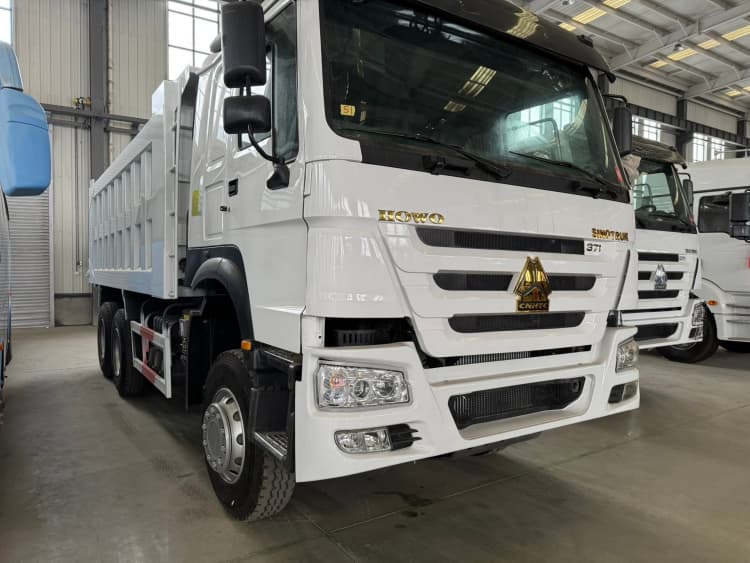
Predictable Remanufacturing Compresses Failure Variability
REMAN ROAD predictable reman trucks follow fixed rebuild rules, mandatory consumable replacement, NDT screening and unified inspection gates. The process removes the extreme “wildcard” failures common in unvetted second-hand stock. Failure events shift from random, catastrophic surprises to predictable wear events aligned with defined service intervals.
Fleet managers know which components will need attention and roughly when, rather than guessing what may fail next. This stable risk profile is the foundation for a smaller contingency budget.
Warranty Absorbs the Tail Risk
Even with thorough inspection, latent defects remain the residual risk. The predictable remanufacturing warranty covers these qualifying hidden failures, paying for parts, labour and related recovery.
That means the contingency fund no longer needs to cover the worst-case, high-value component failures such as crankshaft, gearbox or axle assembly damage. The warranty takes this tail risk off the fleet’s balance sheet, directly reducing the required cash reserve.
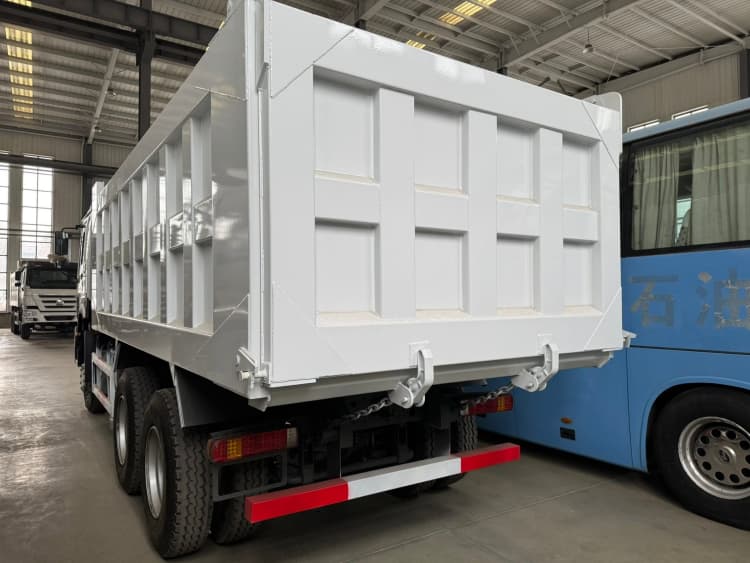
Maintenance Forecasting Becomes Reliable
With consistent build standards, predictable reman trucks share aligned service schedules. Preventive maintenance can be scheduled in advance, planned into operational budgets instead of handled as an emergency.
Planned work is funded through regular operating budgets, not breakdown contingency. The contingency pool only needs to cover minor, unforeseen incidents rather than both routine service and major unexpected failures.
Cash Flow and Liquidity Benefits
Lower contingency requirements free up working capital. For contractors running on milestone payments, this liquidity buffer is extremely valuable. Released cash can fund new tender mobilisation, site upgrades, spare parts stock or debt reduction.
The fleet still keeps a prudent emergency fund, but the amount is calibrated to a known, narrower risk band, not worst-case assumptions from an unpredictable mixed fleet.

Important Limitation
Predictable remanufacturing does not eliminate all breakdown risk. Operator overload, poor lubrication, collision damage or off-spec fuel can still trigger failures, and these are not covered by warranty.
The contingency fund must remain large enough for these misuse-related incidents and minor roadside repairs. The benefit is not zero risk; it is reduced uncertainty and fewer catastrophic, unbudgeted mechanical failures.
Q&A
Q: Can I fully eliminate breakdown contingency with reman and warranty? A: No. Warranty covers rebuild-related latent defects, not operational abuse or minor roadside issues. You still need a small contingency, just a much smaller one.
Q: Does this still apply if I mix reman trucks and older trucks in the same fleet? A: The older units will still require larger contingency allocations. The strongest cash benefit comes when you create a dedicated, standardised reman asset pool.
Q: How do I adjust the contingency size for heavy-duty off-road cycles? A: You apply a duty-cycle risk factor. Even with the adjustment, the baseline uncertainty is far lower than for uncertified used trucks.
3 Comments