How Traceable Reman Certification Makes Insurance Renewal Negotiations Smoother?
Intro
Insurance renewal for heavy fleets often becomes difficult when underwriters lack confidence in vehicle condition. Generic used or refurbished trucks carry unknown structural and mechanical risk; underwriters apply high risk loadings, restrictive terms, or even decline cover. REMAN ROAD traceable reman certification changes this dynamic. The full VIN-bound dossier acts as independent proof of the rebuild standard, inspection gates and performance validation. Instead of negotiating from a position of uncertainty, you present auditable evidence, helping underwriters quantify risk accurately and streamlining renewal discussions.
How Traceable Reman Certification Eases Insurance Renewal Negotiations?
Replaces subjective condition assessment with objective, underwriter-friendly evidence
Underwriters cannot safely judge a truck’s integrity from photos, invoices or a driver’s report. For unregulated refurbishment, they assume worst-case hidden defects: undetected frame fatigue, unreplaced critical consumables, incomplete brake overhauls.
REMAN ROAD traceable reman certification bundles NDT scans, metrology logs, mandatory component renewal records, bench test data and final inspection sign‑off. Underwriters can review the same standardised proof for every reman vehicle, rather than relying on guesswork. This removes the default “unknown risk” penalty.
Supports consistent risk grouping across the fleet
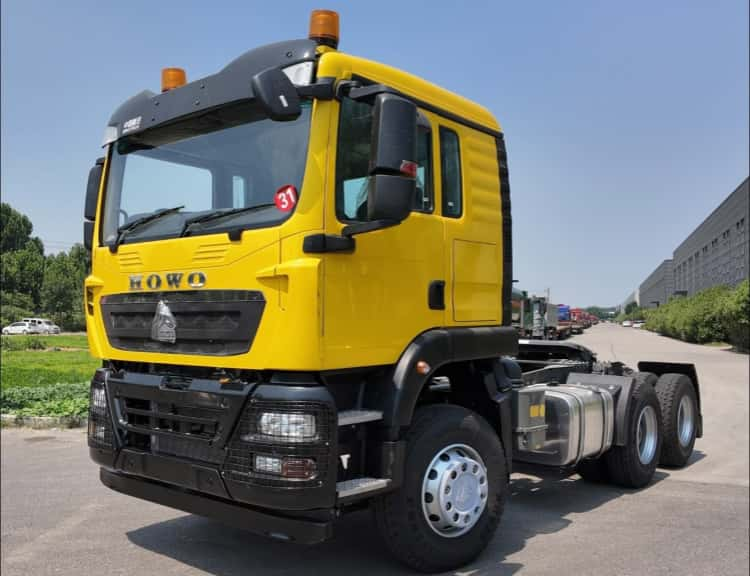
Fleets with mixed undocumented used trucks often receive inconsistent pricing. One unit may trigger a heavy surcharge while another passes, creating messy renewal quotes and hard-to-forecast insurance budgets.
Traceable reman vehicles of the same duty grade share identical QA criteria. Insurers can place them into a single, defined risk category. This simplifies quoting, reduces line-item disputes and makes annual premium forecasting far more stable.
Reduces premium loading for structural and liability risk
Structural failure, brake failure and steering defects are high-liability events for heavy vehicles. Undocumented rebuilds attract large liability surcharges because the insurer carries the downside of latent failure.
The traceable reman certification proves load paths were screened, critical joints were re-tested, and safety systems passed loaded performance validation. Many underwriters will moderate their risk loading when this documentation is available. The savings compound on multi-unit fleets at renewal.
Speeds up claims handling and reduces coverage disputes
Renewal negotiations are heavily influenced by past claims experience. If prior claims dragged on due to arguments over whether damage came from pre-existing rebuild defects or operational misuse, underwriters become cautious.
The traceable reman vehicle dossier provides a clear baseline. At claim time, the insurer can cross-reference failure mode against handover test data. This speeds liability decisions and reduces contentious claims. A cleaner, better‑documented claims history strengthens your position in the next renewal round.
Helps avoid restrictive policy exclusions
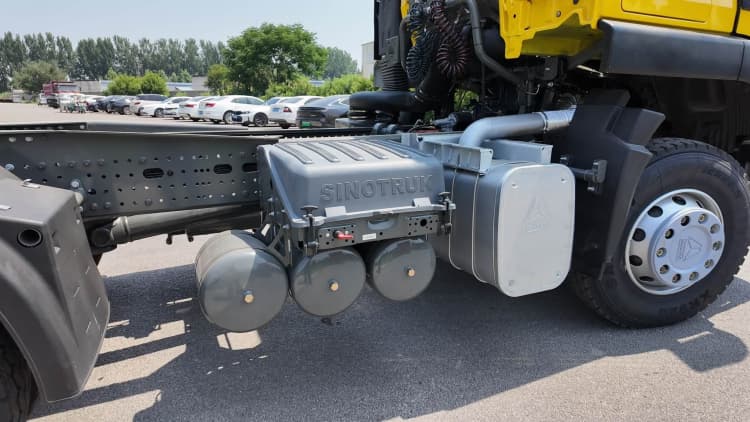
For unrefurbished trucks, insurers often add special exclusions for frame, axle, powertrain or hydraulic failures. These exclusions defeat much of the cover a fleet needs.
Traceable reman certification demonstrates that those assemblies went through formal rebuild, NDT and performance testing. You can negotiate to remove or narrow blanket exclusions, securing broader cover at renewal.
Makes fleet audits and insurer inspections less disruptive
Many heavy fleet renewals include physical inspections or risk audits. Inspectors will still examine the vehicle, but they can cross-check their findings against the digital dossier.
When the build standard is pre‑documented, audits become validation exercises rather than open‑ended searches for hidden defects. This shortens audit timelines and reduces the chance of adverse inspection findings that push premiums up.
Works well for cross-border and multi-site fleets
For fleets operating across regions or borders, different local underwriters have different risk appetites. A portable, VIN-linked certification package is transferable. If you switch insurers or expand operations, the same traceable evidence supports the new risk assessment. You do not need to rebuild your risk case from scratch at every renewal.
Boundary Note
Traceable reman certification does not guarantee automatic premium reductions. Insurers still consider loss history, route type, payload, driver profile and site hazard. What it does eliminate is the uncertainty penalty applied to undocumented reconditioned stock. It gives you a factual foundation to negotiate fair terms.
Q&A
Q: Will the insurer keep a copy of the traceable reman dossier? A: Many underwriters will accept a secure, redacted copy for their risk file, focusing on structural and safety-system validation records.
Q: Can traceable reman certification help if my fleet had a prior breakdown claim? A: Yes. It helps separate future reman vehicles from older, undocumented assets, allowing the insurer to isolate risk and avoid blanket premium hikes across the whole fleet.
Q: How do I specify this when requesting insurance terms? A: Advise your broker that all reman vehicles carry VIN-traceable certification, including NDT, mandatory component renewal, bench and loaded road test records, available for underwriter review.