
Why Audited Reman Helps You Avoid The Quality Inconsistency of Random Used Truck Buys?
Intro
Random used truck purchases carry hidden quality lottery risk: condition depends on prior owner maintenance, abuse, accident history and ad-hoc repairs. REMAN ROAD audited remanufacturing replaces this uncertainty with repeatable, documented standards, so every unit delivers a consistent baseline quality for fleet operations.
The Core Problem With Unvetted Used Truck Sourcing
When buying used trucks from general second-hand markets, each asset has a unique, often undocumented history. One truck may have been gently maintained by a disciplined operator; the next may have suffered overloading, missed lubrication, hidden frame damage or makeshift repairs that are invisible to a quick visual check. There is no unified rebuild checklist, no mandatory NDT screening, no enforced replacement of critical consumables.
Buyers rely on seller disclosures and limited pre-purchase inspections. Quality swings wildly from unit to unit, creating a mixed fleet with unpredictable breakdowns, uneven TCO and unreliable warranty coverage.
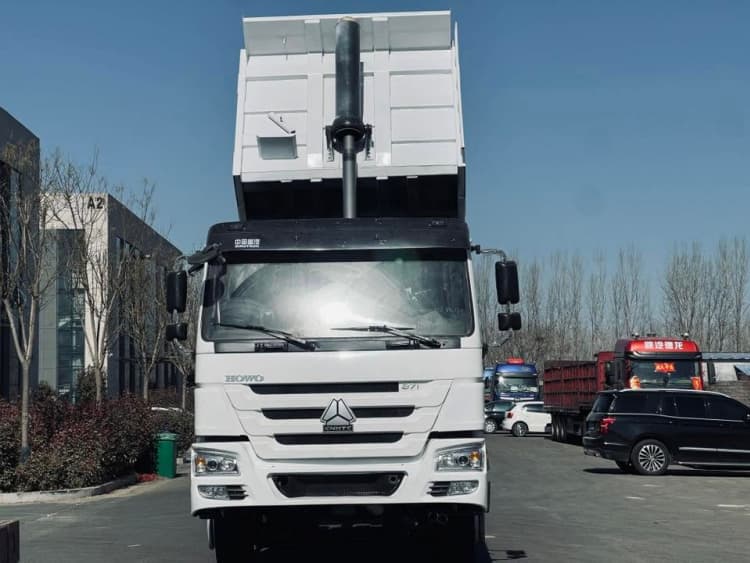
What “Audited Remanufacturing” Means in Practice?
Audited reman truck under the REMAN ROAD framework means every rebuild follows a locked, published standard. The audited reman process includes full disassembly, quantitative NDT checks for structural fatigue, mandatory renewal of seals, bearings and hoses, calibrated powertrain bench testing and staged quality gates.
An independent third-party auditor verifies that the process is followed, not just that the truck looks functional. Every measurement, test result and component change is logged permanently into the VIN digital dossier. Compliance is not self-reported by the workshop; it is externally validated.
Standardised Quality Instead of Unit-by-Unit Luck
For random used trucks, quality is a variable outcome. For audited remanufacturing, quality is a defined process outcome. Two reman trucks of the same model and duty grade will share identical acceptance thresholds, service intervals and reliability expectations.
Fleet managers no longer need to run deep, costly pre-purchase investigations for every individual truck. They can compare units on a level playing field, forecast maintenance budgets uniformly and create a homogeneous fleet.
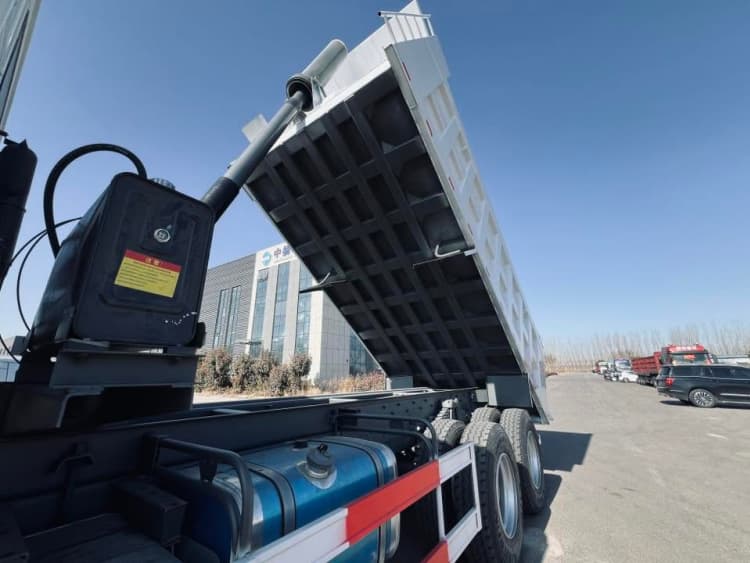
Elimination of Hidden, Unverified Repair Work
A common risk in used trucks is undocumented patch repairs. Cracked frames, worn crankshafts or leaking hydraulic circuits may have been temporarily patched without proper engineering validation. These fixes often fail catastrophically under heavy mining or haulage loads.
Audited reman process rejects informal patch repairs. Any defective core component must either be restored to specification via approved repair methods or replaced. The audit trail captures every intervention, so there are no “secret fixes” buried inside the asset.
Warranty Backing Tied to Audited Reman Process
Most private used truck sales are “as-is”, with no meaningful warranty. Even when a short warranty is offered, it is not tied to a controlled rebuild process, and exclusions are often broad.
Audited remanufacturing warranty is linked directly to the audited rebuild scope. If a latent defect arises within the coverage window, the audit record proves whether the failure falls within the covered rebuild scope. This removes the ambiguity and dispute risk common with used truck claims.
Streamlined TCO Modelling and Risk Planning
Quality inconsistency from random used buys makes TCO modelling almost speculative. Finance teams must build large contingency buffers to account for the possibility of a bad unit. Audited remanufacturing compresses quality variance.
The fleet’s repair cost, downtime risk and depreciation curve become far more predictable. This supports accurate tender pricing, stable internal charge-out rates and smaller breakdown contingency funds.
Important Limitation
Audited remanufacturing does not equal zero risk. It eliminates the uncontrolled variability of random used stock, but it still operates within defined duty limits. If operated outside its graded duty cycle, even a fully audited reman truck can suffer accelerated wear or failure.
Q&A
Q: Is an audit the same as a pre-purchase inspection (PPI)? A: No. A PPI is a one-time snapshot check on an existing truck. A reman audit validates the entire rebuild workflow, from disassembly through final testing, with gate controls at every stage.
Q: Can audited reman still have individual differences between trucks? A: Minor cosmetic differences remain, but all safety-critical, load-bearing and powertrain systems are held to the same pass/fail standard. Functional quality is consistent.
Q: How does this benefit tender submissions? A: Audited reman process records satisfy ESG and supply chain audit requirements. Buyers can demonstrate controlled quality, unlike fleets relying on anonymous used truck stock.
One Comment