
How Qualified Reman Truck Supports Your Company’s ESG and Carbon Reporting Goals?
Intro
ESG and carbon reporting have evolved from optional corporate branding into a formal requirement for tender eligibility, investor review, client supply chain audits and scope 3 emissions accounting. Many haulage and civil contractors struggle to find actionable, verifiable fleet decarbonisation measures that do not compromise operational performance.
Simply switching to electric or low-emission new vehicles often faces long lead times, high capital costs and limited suitability for remote heavy-duty worksites. REMAN ROAD qualified reman trucks fill this gap. Their carbon advantage lies in avoided embodied emissions from manufacturing new vehicles, paired with standardised, traceable documentation that translates operational choices into defendable data for ESG disclosures and carbon inventory reports.
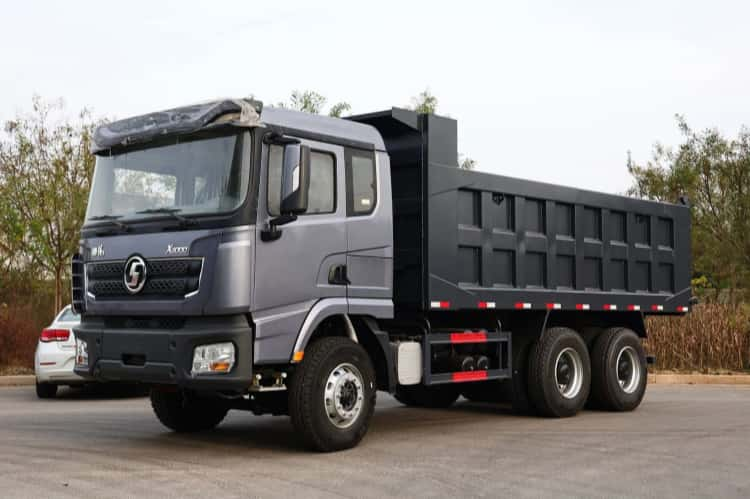
Captures measurable embodied carbon savings from avoided new vehicle production
The largest carbon cost of a heavy truck is not only fuel burned on the road, but the embodied carbon released during raw material extraction, smelting, casting, component manufacturing and factory assembly. A qualified reman truck retains structurally sound core assemblies such as chassis, engine blocks, axle housings and transmission casings.
REMAN ROAD’s methodology calculates the greenhouse gas emissions avoided by not producing these high-carbon components from virgin materials. These embodied carbon reductions can be separated and clearly labelled in ESG reports, creating a material emissions saving that is distinct from operational fuel efficiency gains.
Provides audit-ready evidence to avoid greenwashing risks
A major risk in sustainability reporting is unsupported sustainability claims, which can trigger pushback from clients, auditors or regulators. Generic refurbished or casually rebuilt trucks offer no formal proof of resource or carbon savings.
Every REMAN ROAD qualified reman truck comes with a standardised data package: core retention logs, NDT inspection records, component replacement manifests, third-party verification statements and carbon accounting worksheets. This paper trail proves the scope of reuse and qualified reman work, so sustainability claims are rooted in documented facts rather than marketing statements. This is critical for companies required to submit verified ESG data for large infrastructure and donor-funded projects.
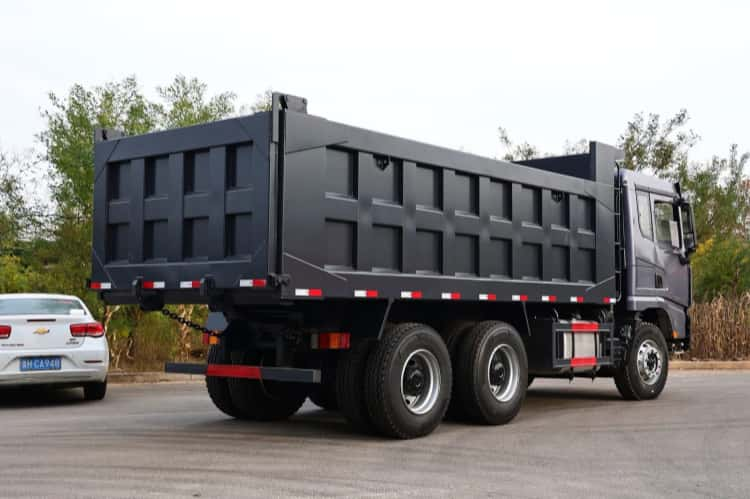
Contributes to circular economy and waste-reduction KPIs
Modern ESG frameworks track more than carbon; they also include circularity metrics such as waste diversion, reuse rate and reduction in virgin material consumption. By extending the service life of durable heavy vehicle cores, qualified reman work diverts large metal assemblies from scrap streams.
Fleet teams can report tonnage of steel and alloy components recovered and reused, alongside avoided raw material intake. These circularity indicators strengthen the social and governance sections of ESG reports, demonstrating responsible resource stewardship across the asset portfolio.
Enables consistent scope 3 emissions accounting for supply chains
For haulage contractors, fleet assets purchased from suppliers fall under scope 3 upstream emissions. Without standardised asset-level data, scope 3 calculations often rely on broad industry averages, which create uncertainty in carbon forecasts. REMAN ROAD’s uniform qualified reman standards allow finance and sustainability teams to apply the same emission saving factor across every certified unit in the fleet.
This consistency makes year-over-year comparison reliable. When clients require suppliers to disclose supply chain emissions, the fleet’s reman fleet dataset becomes a stable input for tier‑1 and tier‑2 supply chain carbon reporting.
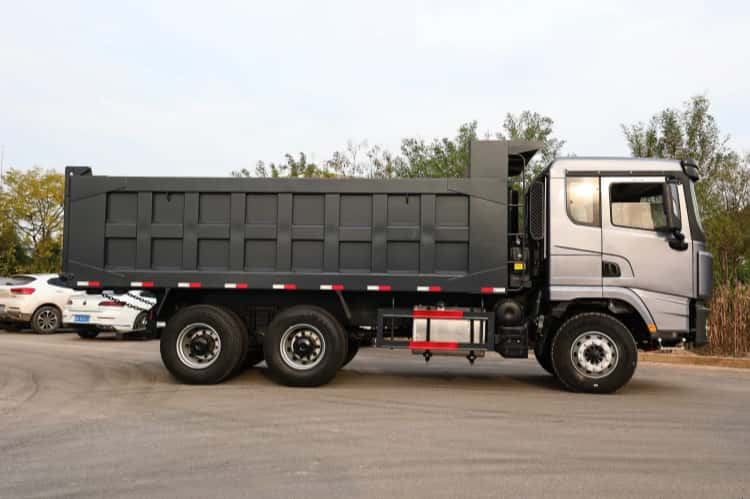
Aligns sustainability progress with tender and stakeholder expectations
Many infrastructure project owners, multilateral funders and enterprise clients now set minimum ESG scoring thresholds for contractors. Using qualified reman trucks gives bidders a concrete sustainability story to include in tender methodology sections.
Investors and insurance partners also increasingly review ESG performance to assess long-term business risk. Documented reman savings demonstrate that the company is taking practical, cost-effective climate action, rather than only setting distant net-zero targets.
Closing
Qualified reman trucks are more than an operational cost optimisation tool. They are a data-enabled sustainability asset for ESG and carbon reporting. REMAN ROAD’s qualified reman work turns core component reuse into quantified, auditable embodied carbon savings, circularity metrics and waste diversion evidence.
For fleet operators, this qualified reman work creates a practical pathway to build credible ESG reports, satisfy client sustainability requirements and advance climate goals without sacrificing the reliability and heavy-duty performance demanded by construction and long-haul transport.
One Comment