How Circular Remanufactured Models Improve Fleet Asset Utilization Rate?
Introduction
Asset utilization rate measures how much of your fleet’s available working capacity is actually generating revenue. Low utilization often stems from rigid asset lifecycles, early retirement of repairable cores, long equipment lead times and limited options to adjust fleet size around project cycles.
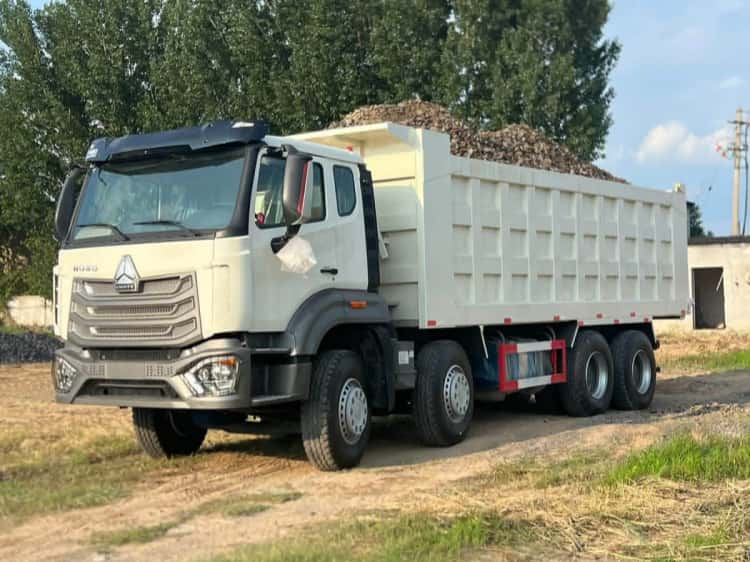
Traditional linear equipment logic follows a simple path: manufacture new trucks, deploy them, then scrap or sell them once major faults appear. Circular remanufactured flips this logic. It treats the vehicle core as a reusable industrial asset rather than a disposable commodity. Built on REMAN ROAD standards, this circular remanufactured framework creates multiple ways to keep heavy trucks active and productive for longer, without locking capital into permanent new purchases.
Recover usable core assets instead of permanent retirement
In the linear model, a truck with a failed engine, gearbox or damaged but repairable frame is often retired entirely. The whole asset exits the fleet, even if many components still hold service life.
Circular remanufactured identifies these viable cores and feeds them back into standardised reman work. After full disassembly, NDT inspection, component renewal and performance validation, the asset re-enters service as certified reman trucks. This prevents premature write-offs. Assets that would otherwise sit idle or head for scrap are restored into revenue-generating capacity, directly lifting overall fleet utilization.
Fast capacity supplementation cuts waiting idle periods
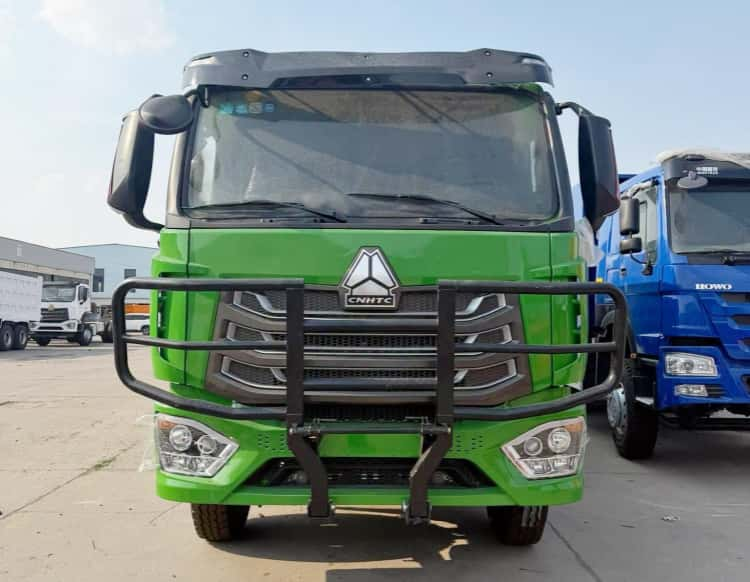
Fleet utilization drops when demand spikes but new truck delivery lead times are long. Construction tenders, seasonal quarry work and road projects often require rapid capacity expansion. Waiting months for new OEM vehicles leaves contract opportunities unfulfilled and existing fleet members overstretched.
Circular reman supply chains maintain a pipeline of pre-qualified cores and rebuilt certified units. Fleets can add compliant, ready-to-work reman trucks in a much shorter timeframe. There is no need to keep excess new trucks permanently on hand just to cover peak demand. Capacity can be brought online precisely when needed, eliminating the dual waste of unmet hauling demand and permanently idle standby assets.
Flexible redeployment across duty tiers within the fleet
A circular remanufactured model supports tiered asset rotation. Instead of running one truck at maximum heavy duty until failure, operators shift assets across roles as their service profile changes.
Fresh certified reman trucks take on high-utilisation, high-revenue core hauling work. As they age, they move to lighter standby, secondary support or short-haul assignments. Even when they are no longer suitable for high-penalty primary contracts, they remain productive rather than sitting unused.
This staged rotation keeps every asset contributing. Without circular remanufactured standards, ageing trucks quickly become too risky for formal work and get parked, dragging down the fleet’s overall utilization metric.
Component-level reman keeps trucks online instead of waiting for whole-vehicle replacement
Circular systems are not limited to full truck remanufacturing. Critical assemblies — engines, axles, transmissions, hydraulic pumps — can be remanufactured individually and stocked as exchange units.
When a component fails on an active truck, the fleet swaps in a pre-rebuilt certified assembly quickly. The faulty core is collected, inspected and sent back into the reman pipeline. This cuts long downtime caused by waiting for new OEM parts or full replacement vehicles. Less time parked for major repair means higher running hours and better utilization.
Project-based asset pooling and shared fleet arrangements
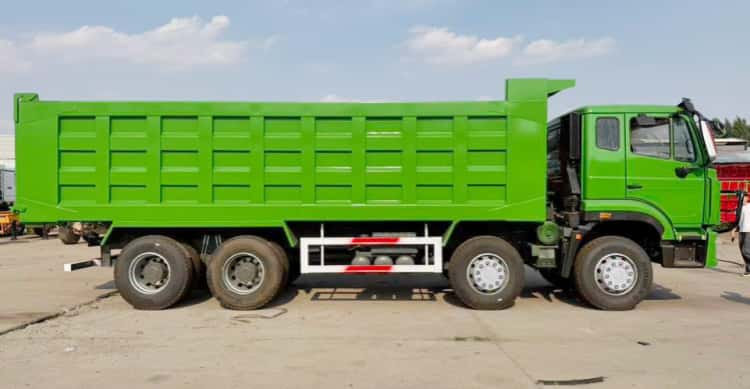
Circular remanufactured’s standardised specification makes cross-operator asset pooling practical. Because all REMAN ROAD reman trucks follow consistent inspection, performance and documentation rules, they can be shared, rented or transferred between contractors easily.
A fleet finishing a large earthworks project does not need to let its reman trucks sit idle until its next contract. Assets can flow to other operators with active haul requirements. This shared ecosystem smooths out the boom-and-bust cycle common in African infrastructure work and raises the utilization rate across the whole network of fleet operators.
Clear traceability removes uncertainty that limits asset reuse
Many fleets hesitate to redeploy older rebuilt trucks because they lack proof of quality. Unknown rebuild scope creates risk, so managers prefer to park the unit rather than assign it to billable work.
Circular remanufactured built on certification and full VIN-linked traceability solves this barrier. Every asset’s rebuild history, test results and component replacement records are available for review. Fleet supervisors can confidently assign reman trucks to jobs, knowing their performance baseline. Documentation removes the hesitation that keeps otherwise functional assets idle.
Optimized end-of-cycle options avoid dead capital lock-up
Even after reman trucks completes its primary service cycle, the circular reman model avoids the binary choice between continued high-risk operation or scrapping.
If the vehicle is not suitable for resale as a whole certified unit, its sound core assemblies can be harvested as reman candidates. Valuable parts are retained for future rebuilds instead of losing all productive value at disposal. This maximizes the utilization of embedded material and manufacturing energy within the asset, rather than letting it sit unused on a lot.
Common barriers that block utilization gains
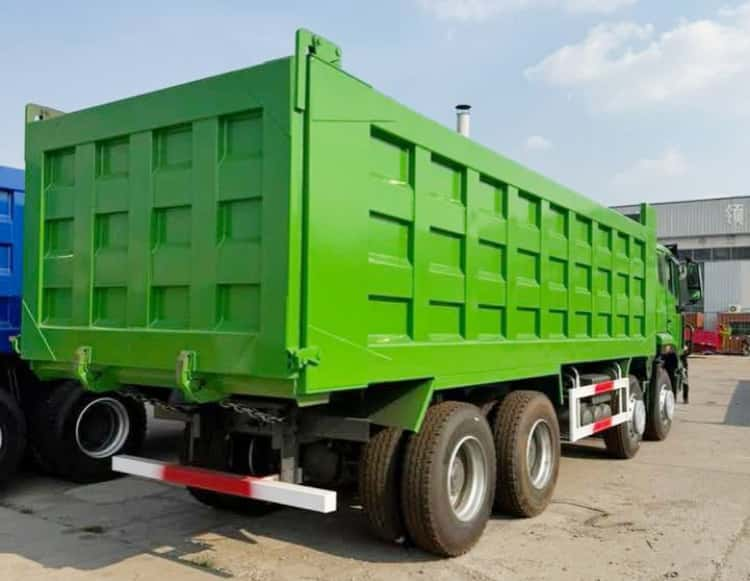
A circular remanufactured model will not improve utilization if it lacks consistent standards. Loose refurbishment, missing inspection records and variable rebuild quality make assets hard to redeploy or pool. Fleets end up with a mix of rebuilt trucks that cannot be trusted for flexible rotation. Poor core collection planning also breaks the cycle: without a steady supply of graded cores, the pipeline of certified reman trucks dries up and capacity flexibility disappears.
Closing
Circular remanufactured improves fleet asset utilization by breaking away from the linear “use and discard” model. It recovers viable vehicle cores, enables fast capacity scaling, supports tiered internal rotation, uses exchange assemblies to cut downtime and creates opportunities for cross-fleet asset sharing.
For African construction, mining and haulage fleets following REMAN ROAD standards, utilization is no longer limited to the first life of a new truck. The asset and its key components move through multiple productive service phases. More working hours, fewer idle trucks and faster response to project demand combine to generate higher revenue from the same capital base.