
How to Avoid Overpaying for Poor-Quality Heavy Second Hand Vehicles?
Introduction
Many fleet buyers turn to heavy second hand vehicles to ease upfront capital pressure. But low advertised prices often hide underlying defects, undocumented overload history and structural fatigue. Without a structured vetting process, operators frequently overpay for assets that turn into continuous repair bills, prolonged downtime and lost contract revenue.
This article outlines actionable checks and decision rules for evaluating second-hand heavy trucks, and clarifies where standard reman vehicles represent a more predictable alternative.
Separate market price from real asset value
The listed price of a heavy second hand vehicles is not its true value. Real value depends on remaining usable life, hidden failure risks, parts availability and whether it can qualify for formal tender requirements.
Buyers should first build a baseline expectation: how much downtime and maintenance this truck is likely to generate over the planned holding period. A cheap heavy second hand vehicles that fails repeatedly may cost far more over time than a higher-priced, well-vetted unit.
Avoid anchoring decisions only to the lowest quote. Compare against the total cost of ownership profile, not just the cash required at purchase.
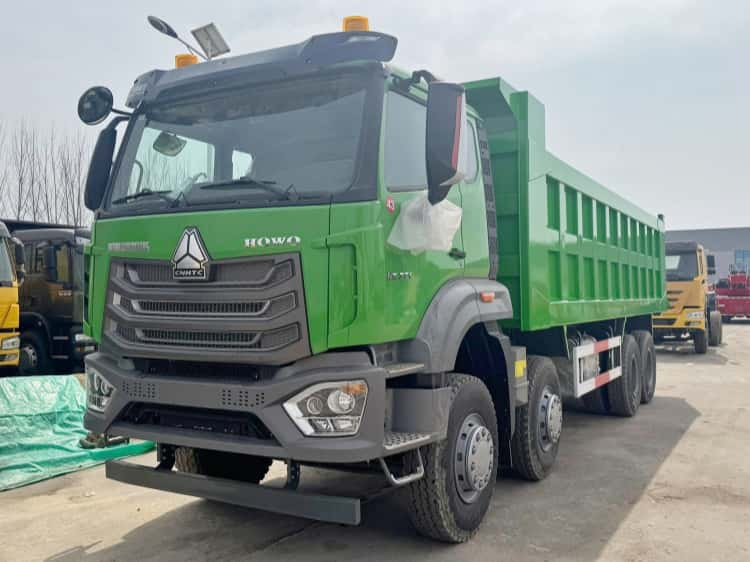
Verify full lifecycle documentation before inspection
Start with paperwork, not the engine test. Missing or inconsistent records are the earliest warning signs.
Key documents to check: ownership history, import clearance records, service logs, previous accident reports and overload damage notes. If the seller cannot produce continuous records, assume there are unknown risks. Sellers may conceal frame cracks, blown powertrain failures or prior heavy mining duty.
No formal inspection record means you cannot confirm fatigue screening. This is the biggest difference from REMAN ROAD standard reman vehicles, which come with standardised NDT, dyno and component replacement dossiers linked to the VIN.
Focus inspection on high-cost, invisible failure points
Cosmetic issues like paint scratches, worn seats or minor oil leaks are inexpensive to fix. Buyers often waste attention on surface details while ignoring invisible, expensive defects.
Prioritise these critical checks:
- Frame and chassis: look for weld repairs, bending, cracks around suspension mounting points
- Engine and crankcase: abnormal blow-by, inconsistent compression, overheating history
- Transmission, differential and axles: unusual noise under load, metal debris in oil samples
- Suspension, kingpins and brake assemblies
- Electrical wiring and onboard control modules
Where possible, arrange oil analysis and non-destructive testing for high-load structural areas. Visual checks alone cannot detect metal fatigue.
Run loaded performance testing instead of only idle tests
Many sellers only start the engine and let it idle to demonstrate it runs smoothly. Idle performance tells very little.
Always test under loaded conditions. Check power delivery under haul weight, braking stability, hydraulic response and temperature behaviour during sustained operation. Weak performance under load often points to worn cylinders, fuel system degradation or slipping drivetrain components that only surface once the truck enters site work.
If a seller refuses a loaded road or dyno test, treat it as a major red flag.
Confirm the truck’s duty history
A heavy second hand vehicles used for light highway haulage ages very differently from one operated in mines, quarries or overloaded earthworks.
Ask the seller for the type of site, typical payload and whether it was regularly overloaded. Even a low-mileage truck that was chronically overloaded has severely shortened remaining service life. Without duty verification, buyers may pay highway-truck pricing for a high-fatigue mining unit.
Check spare parts accessibility and local service support
Even a mechanically sound second-hand truck becomes a money pit if parts are scarce, expensive or have long lead times.
Before purchase, confirm local stock availability for filters, gaskets, clutch assemblies and major powertrain components. Rare or discontinued models may look cheap upfront, but downtime while waiting for cross-border parts will quickly erase any savings.
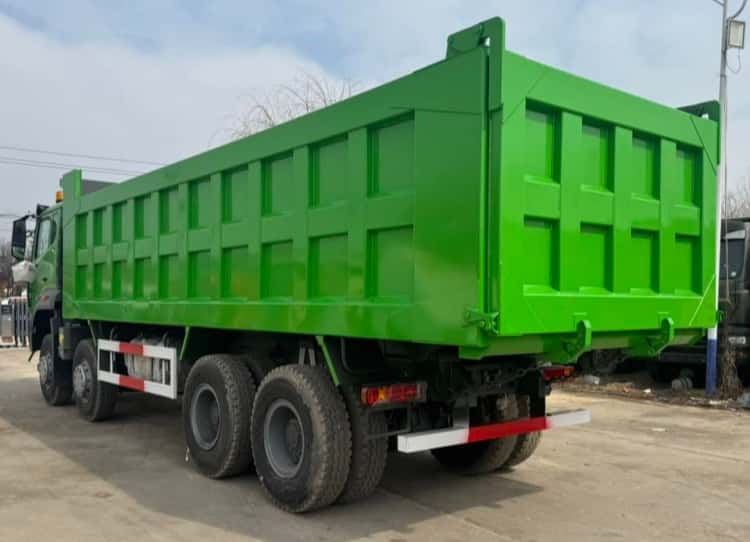
Popular Chinese platforms such as Howo, Shacman and Sitrak benefit from wider aftermarket support across Africa, but individual unit condition still varies widely.
Set clear acceptance terms and conditional payment
Avoid full payment before independent inspection. Structure the deal to protect your position.
You can agree that payment is conditional on a third-party technical report, with clauses for price adjustment or contract cancellation if critical defects are discovered. Reject verbal guarantees; all agreed quality promises should be written into the sales agreement.
Sellers who pressure fast payment and refuse independent inspection are high risk.
Know when a second-hand truck is not the right choice?
Heavy second hand vehicles can work for short-term, low-risk hauling jobs where downtime carries no heavy contractual penalties.
They are not suitable if you need assets to qualify for ESG, donor-funded or government tenders. Without certified reman documentation, these trucks cannot pass audit requirements, and you lose access to higher-margin contracts.
In these scenarios, standard reman vehicles deliver more predictable value. While their purchase price is higher than unvetted second-hand trucks, the standardised testing and traceability eliminate the risk of hidden fatigue failures.
Common traps that lead to overpayment
- Judging condition only by exterior appearance and paintwork
- Accepting seller verbal claims with no supporting records
- Skipping load testing and relying only on idle engine checks
- Ignoring prior overload, accident or heavy mining history
- Underestimating downtime loss when calculating affordability
- Confusing a running truck with a truck that has long remaining economic life
Closing
To avoid overpaying for poor-quality heavy second hand vehicles, buyers must look past headline pricing and cosmetic presentation. Rigorous document verification, targeted inspection of high-risk structural and powertrain parts, loaded performance testing and clear purchase terms reduce the chance of buying a high-liability asset.
When your fleet requires predictable uptime, tender eligibility and traceable quality, standard reman vehicles under REMAN ROAD standards remove much of this inspection risk. For low-risk, short-cycle casual haulage, carefully vetted second-hand units can still make sense — but only after completing a full, independent technical validation.