
How Verified Reman Reduces Fleet Downtime Economic Losses?
Introduction
For heavy‑duty fleets, downtime is far more than just repair bills. Every day a truck sits idle means lost hauling revenue, contractual penalties, emergency rental fees and disrupted project schedules. Many fleet buyers overlook this hidden economic loss and only compare upfront purchase prices.
Verified reman trucks go through standardized full disassembly, non‑destructive testing, mandatory component renewal and pre‑delivery bench validation. This article explains how verified reman cuts unplanned downtime and minimises the cascading financial losses caused by vehicle out‑of‑service events.
Understand The Full Economic Cost of Fleet Downtime
Downtime economic loss consists of multiple interconnected cost items, not only spare parts and labor.
- Direct repair cost: Parts, technician labor, mobile roadside service callout charges. Emergency roadside repairs are usually 2–3 times more expensive than scheduled workshop maintenance.
- Lost operating revenue: No cargo delivery means no income for the truck during standstill. For high‑utilization fleets, this is the biggest single loss.
- Contract penalties: Late delivery, delayed construction material supply or missed project milestones trigger liquidated damages clauses in transport and project contracts.
- Substitute asset rental: Fleets often rent temporary heavy trucks or subcontract haulers to keep projects running, creating unexpected extra operational expense.
- Administrative & logistics overhead: Extra work for dispatch, rerouting cargo, rescheduling drivers and handling customer complaints.
- Secondary risk: Sudden breakdown on remote job sites creates safety hazards and longer waiting periods for parts and service support.
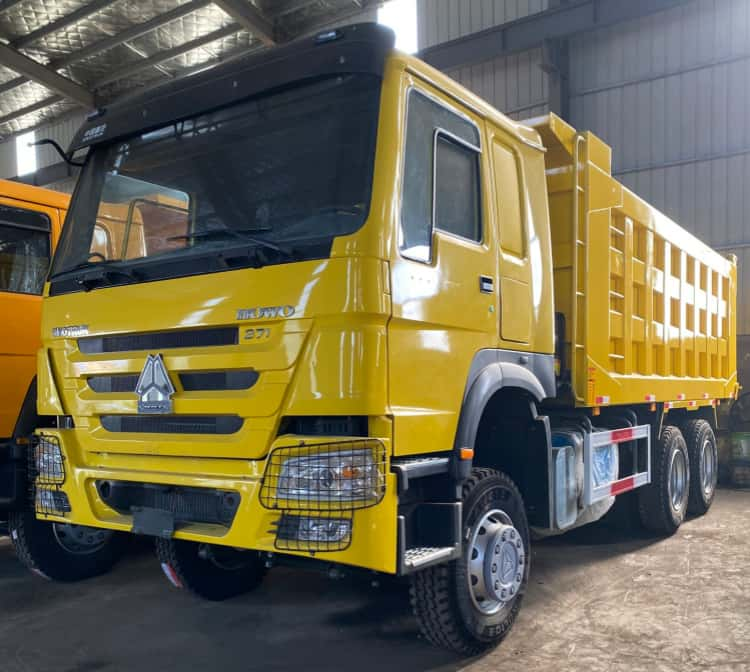
Verified Reman Eliminates Hidden Pre‑Deployment Defects
The root cause of most unplanned downtime on ordinary used trucks is hidden internal wear that cannot be detected by visual inspection.
- Full teardown and component‑by‑component inspection exposes fatigue cracks, worn clearances and degraded internal assemblies before the truck enters service.
- Non‑destructive testing (NDT) on frame, crankshaft, axle housing and engine block catches invisible metal fatigue that would trigger sudden mid‑operation failure.
- Safety‑critical consumables including bearings, seals, gaskets, brake linings and hydraulic hoses are replaced as mandatory procedure, rather than reused until failure.
- Any core failing inspection thresholds is rejected before remanufacturing work starts, preventing high‑risk cores from entering the fleet. Result: The truck enters operation with known, controlled condition, removing the biggest source of surprise roadside breakdowns.
Pre‑Delivery Bench & Vehicle Testing Verifies System Performance
Verified reman trucks pass objective performance validation before shipment, rather than only a quick visual or short test drive.
- Engine dynamometer testing confirms power output, oil pressure and compression within factory‑equivalent tolerances.
- Full brake system pressure test, transmission shift test, hydraulic leak test and electrical system validation are completed and documented.
- Any assembly failing performance metrics goes through rework and retest; defective units are not released for delivery.
- Test records are archived with the vehicle serial number, giving fleet maintenance teams clear baseline performance data for future service planning. This step ensures major driveline systems are stable at heavy load, reducing in‑service failure probability.
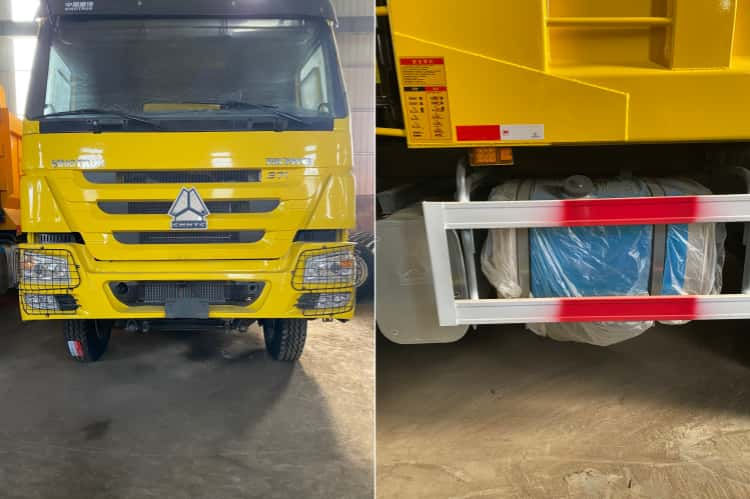
Scheduled Maintenance Becomes Predictable, Reducing Emergency Events
Ordinary used trucks have unknown wear history, making maintenance scheduling unreliable. Verified reman resets component service life.
- After remanufacturing work, major assemblies are restored to OEM‑equivalent operating condition. Maintenance intervals can be planned accurately in advance.
- Maintenance teams can order spare parts and allocate workshop time ahead of scheduled service, avoiding rush orders and premium emergency part pricing.
- Work stoppages shift from random, costly roadside failures to planned, low‑impact scheduled workshop visits.
- Fleet finance teams can budget maintenance spending without sudden large unexpected repair line items.
Warranty & Traceability Shorten Repair Lead Time When Issues Occur
Even with high‑quality remanufacturing work, minor faults may occasionally occur. Verified reman’s documentation and warranty framework reduce downtime duration.
- Full traceable records list all replaced assemblies and component serial numbers, helping technicians quickly identify problem areas.
- Dedicated reman warranty coverage for driveline assemblies simplifies claims and speeds up component replacement approval.
- Suppliers provide clear recommended spare parts lists for reman units, so fleets can stock targeted critical parts instead of broad, expensive inventory.
- Well‑documented units reduce diagnostic time; mechanics do not spend hours tracing unknown prior modifications or hidden wear.
Contrast: Downtime Risk Between New, Used and Verified Reman Trucks
- New trucks: Very low downtime during warranty period, but high upfront capital cost and steep early depreciation.
- Ordinary used/refurbished trucks: Low purchase price, high probability of random catastrophic failures. Downtime events are longer and more expensive, especially on remote job sites.
- Verified reman trucks: Low frequency of unplanned breakdowns, predictable maintenance cycles. Downtime risk is far closer to new trucks while avoiding new‑truck capital and depreciation costs.
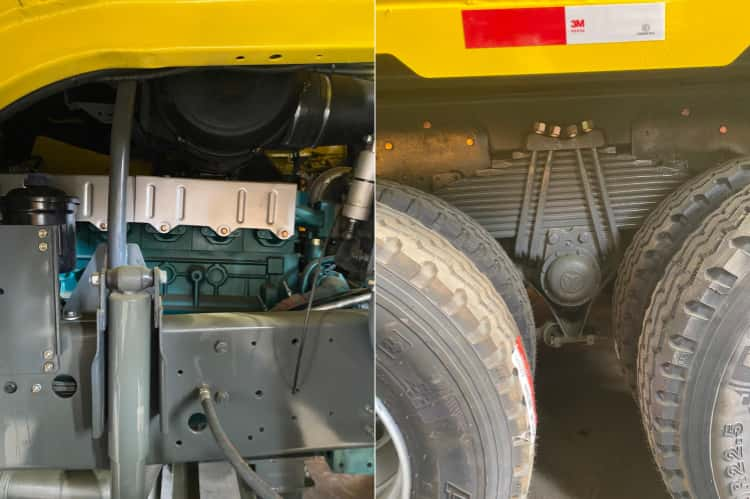
Operational Best Practices to Maximize Downtime Reduction Benefit
Fleets can amplify the value of verified reman assets with simple operational rules.
- Retain the complete reman package: NDT reports, bench test results, replaced parts list and warranty paperwork for each vehicle.
- Follow OEM‑aligned service schedules and log all routine maintenance records.
- Train site maintenance teams to reference reman documentation during troubleshooting.
- Build a small stock of critical recommended spare parts for reman driveline assemblies for remote worksites.
Conclusion
Fleet downtime’s true cost extends far beyond repair invoices, including lost revenue, contract penalties and emergency rental costs. Verified reman reduces these economic losses by eliminating hidden component defects before deployment, validating performance through bench testing, stabilising maintenance schedules and enabling faster repairs via traceable documentation and warranty coverage.
Compared with ordinary used trucks that carry unpredictable breakdown risk, verified reman balances acquisition cost and reliability, making it an effective strategy to protect fleet revenue and keep project schedules on track.