Global Fleet Procurement Trends for Circular Remanufactured Vehicle
Introduction
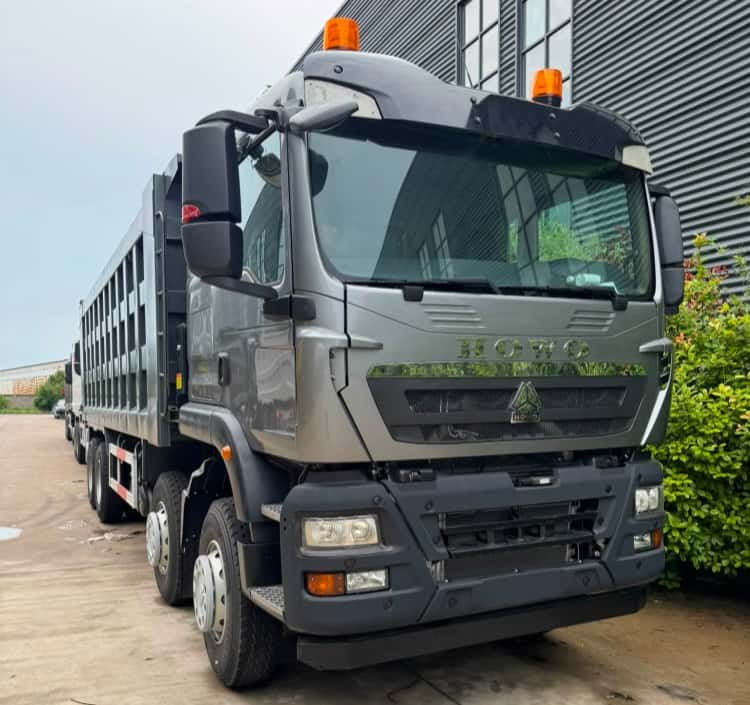
Global heavy vehicle fleets are shifting procurement logic from a linear “buy-use-scrap” model toward circular asset management. Raw material price volatility, long lead times for brand-new heavy trucks, tightening carbon regulations and ESG reporting obligations are pushing mining, construction and logistics fleet operators to integrate certified remanufactured vehicle into formal procurement portfolios.
However, the rapid market expansion also creates confusion between circular reman and simple refurbishment. The following article breaks down the core global procurement trends for circular remanufactured vehicle, covering standardisation, finance, digitalisation, regional demand and risk governance.
ESG & Carbon Accounting Become Mandatory Procurement Evaluation Indicators
Circular reman is no longer optional sustainability marketing, but a formal tender requirement:
- Public infrastructure, mining and large logistics tenders now add carbon footprint assessment as a scoring dimension. Circular remanufactured vehicle can prove raw material and energy savings via traceability records, which ordinary used or refurbished trucks cannot provide.
- Corporate ESG reporting frameworks require auditable evidence of resource reduction. REMAN ROAD and similar unified reman standards provide consistent carbon calculation methodology for cross-border fleet reporting.
- Many asset owners and financial institutions offer preferential financing terms for circular reman fleets, with lower interest rates for assets that meet recognised reman certification.
- Procurement teams are trained to distinguish genuine circular reman value from greenwashing: cosmetic repainting and partial overhaul do not qualify for ESG carbon credit recognition.
Global Convergence Toward Unified Reman Standards to Eliminate Cross-Border Confusion
Fragmented factory self-declaration standards are gradually replaced by shared certification systems:
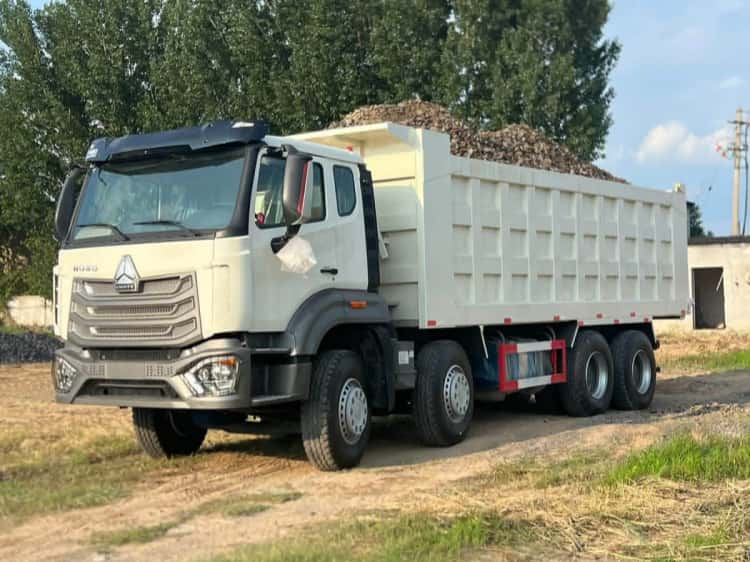
- Previously, each reman factory defined remanufacturing independently. Now international fleet buyers prefer referencing unified benchmarks such as REMAN ROAD in RFQ and contracts.
- Cross-border procurement increasingly requires third-party surveillance audits and random sampling, instead of accepting supplier self-certification.
- Standardised document packages become a baseline requirement: VIN-linked traceability files, NDT inspection reports, bench test curves and structured warranty terms.
- Terminology alignment is accelerating in global trade contracts: clear separation of remanufacturing, refurbishment, overhaul and second-hand vehicles to reduce misclassification disputes.
Procurement Moves From Upfront CAPEX Comparison to Full TCO & Project-Cycle Matching
Asset selection aligned with project economic life, not only unit price:
- Fleet finance teams are shifting decision-making from simple upfront capital expenditure comparison to full lifecycle TCO modelling, including downtime penalty, maintenance cost and residual value at project exit.
- Medium-term mining and construction projects (2–5 years) become the highest-growth application scenario for circular remanufactured vehicle, where reman balances CAPEX control and reliability.
- Short-term temporary projects adopt circular remanufactured vehicles to avoid massive first-year depreciation of new trucks. Long-term fixed fleets adopt hybrid fleet strategies: new OEM trucks for core haulage and circular reman for backup and fleet expansion.
- Procurement departments predefine asset exit plans before purchase, including redeployment, resale and decommissioning rules, to maximise residual value recovery.
Digital Traceability & Connected Asset Data Are Embedded Into Procurement Gate Requirements
Digital asset records become a non-negotiable delivery requirement for circular reman:
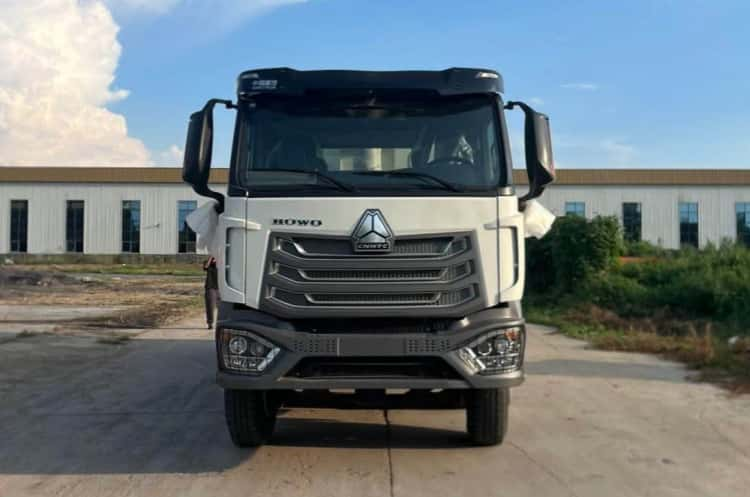
- Global buyers require full digital traceability tied to vehicle VIN: core incoming assessment, disassembly logs, NDT images, component replacement records, bench and road test data stored in cloud systems.
- Telematics data is integrated into remanufactured vehicle evaluation. Fleets use real-time operational data to verify remanufactured vehicle performance and feed failure data back into supplier performance scoring.
- Digital dossier simplifies cross-border customs review, asset auditing, ESG reporting and secondary resale, as the full lifecycle history can be transferred to new asset owners.
- Suppliers without mature digital traceability systems are gradually excluded from large tender shortlists.
New Circular Business Models Expand Beyond One-Time Asset Sales
Procurement shifts from purchasing trucks to purchasing guaranteed asset performance:
- Performance-based leasing and pay-per-hour models for circular remanufactured vehicle are growing, especially for remote mine and construction sites.
- Asset cascading strategies become mainstream: after finishing a primary heavy-duty project, certified reman vehicles are re-inspected and redeployed to lighter, shorter-cycle projects, maximising the circular value chain.
- Trade-in and core return programmes are expanding: fleets return end-of-life cores back to reman factory, forming closed-loop core supply and stabilising raw material availability.
- Bundled service packages combine remanufactured vehicle supply, scheduled maintenance, spare parts inventory and warranty coverage in one procurement contract.
Regional Demand Diversification: Emerging Markets Become Major Growth Engine
Different regions adopt reman with distinct procurement priorities:
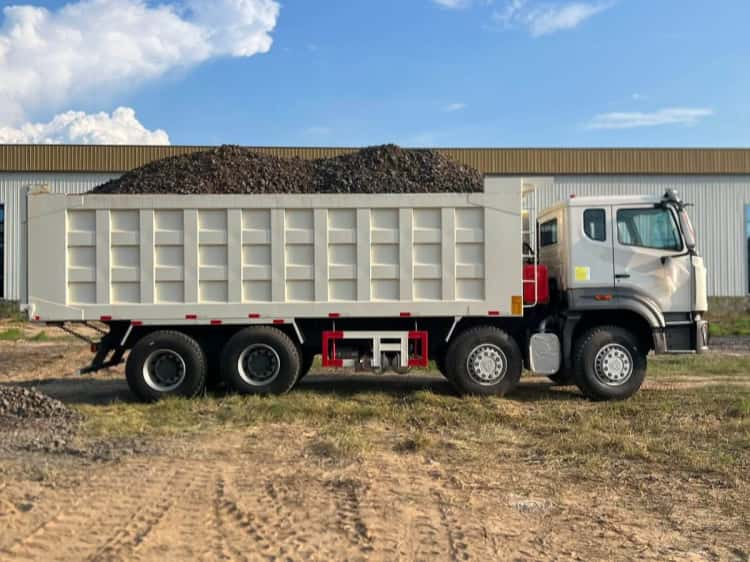
- Emerging markets in Africa, Southeast Asia and Latin America show fast-growing demand. Infrastructure and mining fleets face tight capital budgets and long new truck delivery lead times, making certified circular reman a practical solution. Buyers in these regions focus heavily on cross-border document recognition and local spare parts support.
- European and North American fleets focus more on ESG compliance, extended producer responsibility rules and standardised warranty frameworks.
- Procurement teams operating multi-country fleets build tiered supplier lists, separating severe-duty reman factory for off-road mining and standard reman suppliers for highway logistics.
Supplier Evaluation Shifts From Product Inspection to Full Workflow Audit
Buyers audit factory process capability instead of only inspecting finished vehicles:
- Traditional procurement only checks finished vehicle quality upon delivery. Modern circular reman procurement conducts pre-qualification factory audits covering SOP, NDT equipment, component grading rules and CAPA closed-loop improvement systems.
- Two-stage tender evaluation becomes standard: technical hard-gate screening first, then commercial price comparison. Any critical non-compliance eliminates the bid regardless of price advantage.
- Continuous supplier performance monitoring replaces one-off pre-award audit. Field failure rate, document completeness and warranty claim handling update vendor scores annually.
Key Challenges Restricting Global Circular Reman Procurement Adoption
Market barriers that fleet buyers must manage in procurement design:
- Persistent market confusion: many refurbishment workshops falsely label products as remanufactured, requiring strict hard-gate clauses and pre-shipment inspection.
- Uneven regional regulatory rules: import, registration and customs recognition standards for remanufactured vehicle vary widely between countries.
- Core supply instability: high-quality eligible cores are limited, restricting large-scale batch delivery capacity for reman factory.
- Market education gap: many fleet decision-makers still confuse circular reman with ordinary used trucks, and lack mature TCO models for circular remanufactured vehicle planning.
Conclusion
Global fleet procurement for circular remanufactured heavy vehicles is undergoing a fundamental transformation. The key trends include ESG and carbon metrics embedded into tender scoring, convergence toward unified reman standards, TCO and project-cycle oriented asset selection, mandatory digital VIN traceability, innovative circular business models, strong demand growth in emerging markets and workflow-based supplier audit. While fake reman assets and fragmented regional regulations remain risks, certified reman assets are evolving from a niche alternative into a formal, mainstream component of global fleet circular asset strategy. For procurement teams, referencing unified standards like REMAN ROAD and building hard-gate evaluation criteria is the core method to capture circular economic benefits while mitigating procurement risks.