
How Standardized Reman Trucks Reduces Your Reliance on Volatile Global Parts Supply Chains?
Intro
Fleet operators across cross-border haulage, mining and infrastructure work know the pain: sudden port congestion, semiconductor shortages, export controls and currency spikes can halt shipments of OEM new components for weeks or months. A single stuck engine or transmission part brings high-value truck fleets offline, with downtime losses dwarfing the part price itself.
While many teams treat new OEM supply as the only reliable route, standardized reman truck fleets from REMAN ROAD create a more resilient alternative. By locking in shared specifications, local core circulation and predictable modular replacement sets, these assets decouple fleet maintenance from the boom-and-bust cycle of global new-parts logistics.
Modular standardisation narrows the required part catalogue
Unlike mixed fleets with scattered, discontinued OEM variants, REMAN ROAD standardized reman trucks follow unified platform specs for engines, axles, brake assemblies and hydraulic groups. Mechanics and warehouses only stock a smaller, consolidated set of interchangeable subassemblies.
Instead of chasing rare, model-specific new parts from overseas factories, fleets can swap pre-tested reman modules locally. This modular logic eliminates one of the biggest supply chain pain points: hard-to-source niche components that have long lead times.
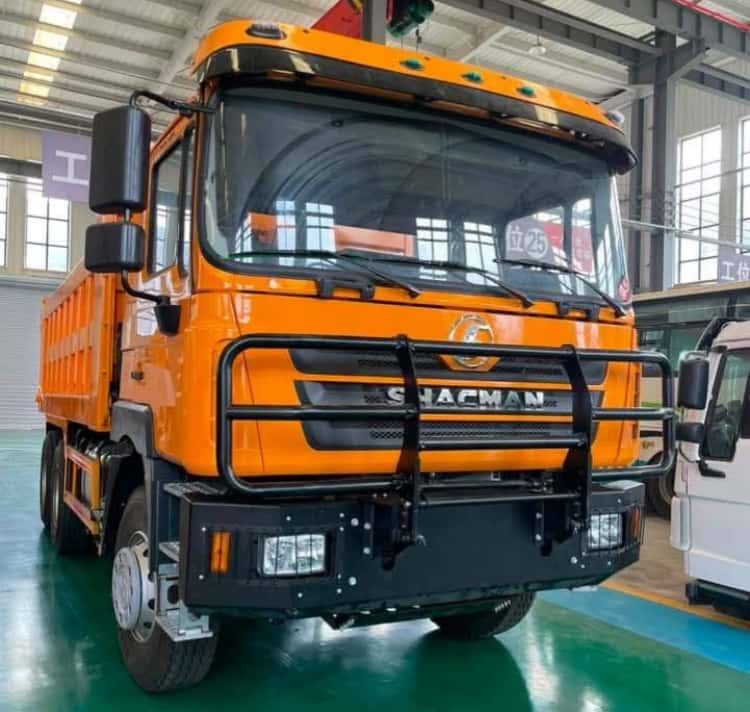
Closed-loop core pools create regional component self-sufficiency
Genuine standardized reman truck runs on recovered cores harvested from the same fleet population, not virgin factory output. When a unit comes in for overhaul, its usable heavy assemblies re-enter the regional reman pipeline after inspection, NDT testing and rebuild. This builds a local circular inventory that does not rely on transoceanic container schedules.
Even when global new-parts markets tighten, the regional core stock keeps service and replacement cycles moving, insulating fleets against supply shocks, trade restrictions and shipping rate volatility.
Pre-validated reman assemblies remove wait times for custom new part
New component orders often require factory production runs, quality release and cross-border clearance. REMAN ROAD’s acceptance testing and fixed performance thresholds mean reman power packs, gearboxes and brake systems are fully validated and ready for fitment.
Fleets can access drop-in replacement assemblies off the shelf, rather than waiting for delayed OEM allocations. For seasonal haul or remote-site fleets operating far from main OEM distribution hubs, this readiness directly protects scheduled asset utilisation.
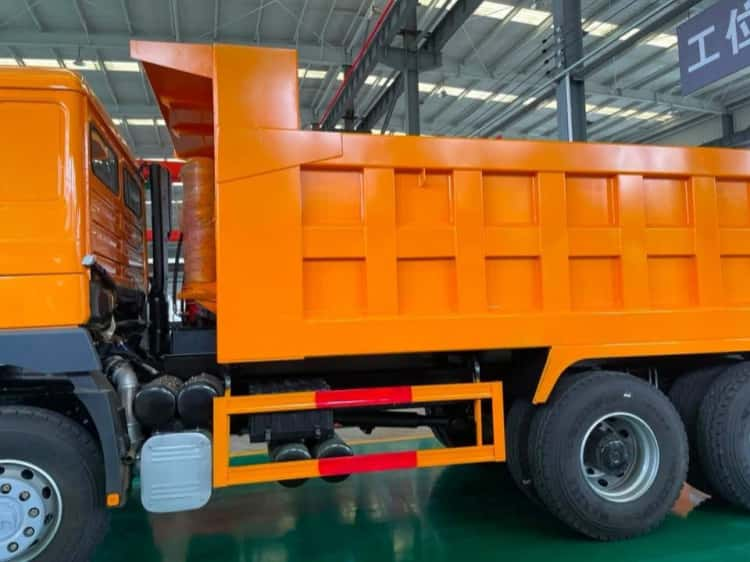
Stable specification lowers exposure to version and design change risks
Global OEMs frequently update electronics, emissions hardware and sensor layouts, which renders older spare-part lines obsolete. Standardized reman truck platforms freeze on proven, mature configurations.
The bill of materials stays consistent over the fleet lifecycle, so spare-part compatibility does not break unexpectedly. Operators avoid being forced to upgrade entire vehicle generations just to secure serviceable components, a common hidden risk when leaning fully on new OEM supply chains.
Traceable documentation supports multi-site shared stock coordination
Every REMAN ROAD standardized reman truck carries auditable records of component origins, rebuild steps and test results. This shared dataset lets multi-region fleets pool reman spares across depots.
If one location faces a local stock gap, another site can transfer matching, certified assemblies without guesswork about fit or compliance. This networked stock model creates distributed resilience that standalone new-parts ordering cannot easily match.
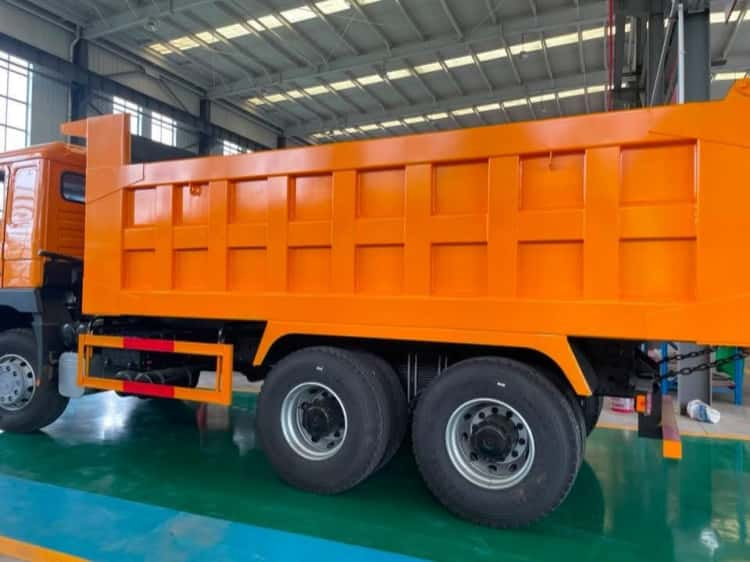
Closing
Volatility in global parts supply is no longer a rare crisis event, but a baseline operating condition for international heavy fleets. Standardized reman truck does not eliminate all need for imported components, but it shifts the fleet’s dependency curve away from fragile long-haul new-part flows toward controllable, regional circular stock.
With modular interchangeability, local core recycling and fully documented assemblies, REMAN ROAD standardized reman trucks give fleet buyers a practical lever to stabilise uptime, contain lead-time risk and build a supply chain that works for them, not global factory schedules.
One Comment