
Material Recycling vs Remanufacturing Works: Key Concept Distinction
Introduction
Many people mix up remanufacturing works and material recycling, because both belong to circular economy strategies and reduce waste of end-of-life heavy vehicles. However, their core logic, technical objectives, value retention and output forms are fundamentally different. Material recycling destroys the original product structure to reclaim raw materials.
Remanufacturing works preserves the reusable core asset and resets its service life. This article breaks down their definitions, workflows, value loss and application boundaries to help fleet buyers and industry stakeholders distinguish these two critical circular concepts.
Core Definition Difference
The definition marks the most essential dividing line between the two circular approaches.
- Material Recycling: A resource recovery process that dismantles obsolete vehicles, cuts and shreds components, then separates metal, plastic, rubber into raw material feedstock. The original part’s structure and function are permanently destroyed. The output is scrap steel, aluminium, rubber granules or plastic pellets, not usable vehicle assemblies.
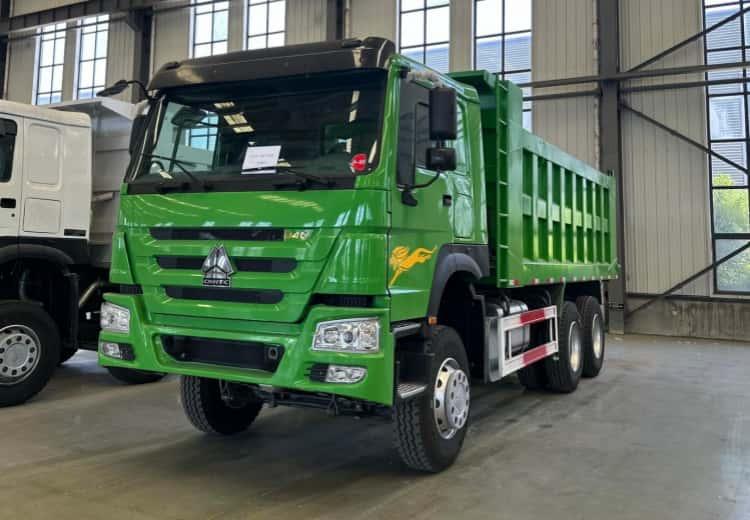
- Remanufacturing: Industrial asset regeneration based on reusable core heavy vehicle. The whole truck is fully disassembled, cleaned, inspected, machined and reassembled. The original component structure is retained. The finished output is a fully functional heavy truck with near‑original performance, ready for fleet operation.
- Simple summary: Recycling makes raw material; remanufacturing works restores usable equipment.
Workflow & Technical Route
The sequence of operations shows how each method treats the original heavy vehicle asset.
- Material Recycling Workflow: End-of-life truck → depollution (remove oil, coolant, battery) → shredding / cutting → material sorting → melting or reprocessing → raw material for new manufacturing. The original engine, frame and axle lose their identity as mechanical assemblies.
- Remanufacturing Works: Qualified used core truck → full disassembly to individual parts → cleaning, NDT inspection, dimensional measurement → scrap worn parts, machine repairable parts, replace safety consumables → reassembly → bench test + finished vehicle road test → certified reman vehicle for operation. The original frame and powertrain core are preserved and renewed, not destroyed.
Value Retention Level
The retained economic value is one of the biggest gaps between recycling and remanufacturing works.
- Material Recycling: Only retains the raw material value. Most of the manufacturing value invested in machining, forging, heat treatment and assembly is lost during shredding and melting. The recovered scrap value is just a small fraction of the original asset value.
- Remanufacturing Works: Preserves most of the embedded manufacturing value of the core asset. The frame, engine block, axle housing and other large cast/forged components retain their structural value. Only worn consumable parts are replaced. The finished reman truck holds far higher economic value than scrap metal.
- Example: A heavy truck sent to recycling only earns scrap steel price; the same vehicle, if qualified as a reman core, can become a usable truck with decades of embedded manufacturing value retained.
Energy & Raw Material Consumption
Both save resources versus making products from virgin ore, but remanufacturing works delivers much greater resource efficiency.
- Material Recycling: Still consumes large energy for shredding, melting, purification and re‑forming metal into new billets. Even metal recycling carries high thermal energy cost.
- Remanufacturing Works: Avoids the massive energy required for ore mining, smelting, casting and forging of large heavy‑vehicle assemblies. It only uses energy for cleaning, precision machining, component replacement and assembly. Remanufacturing works typically achieves much higher energy savings than metal recycling.
Final Output & End Use
Their final products enter completely different supply chains.
- Material Recycling Output: Raw materials. These materials will flow to smelters and factories to manufacture brand‑new components, not directly go back into a working heavy truck.
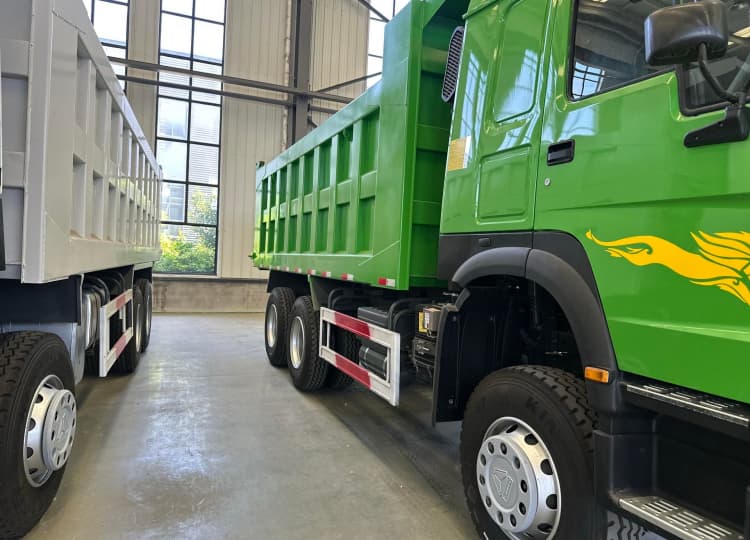
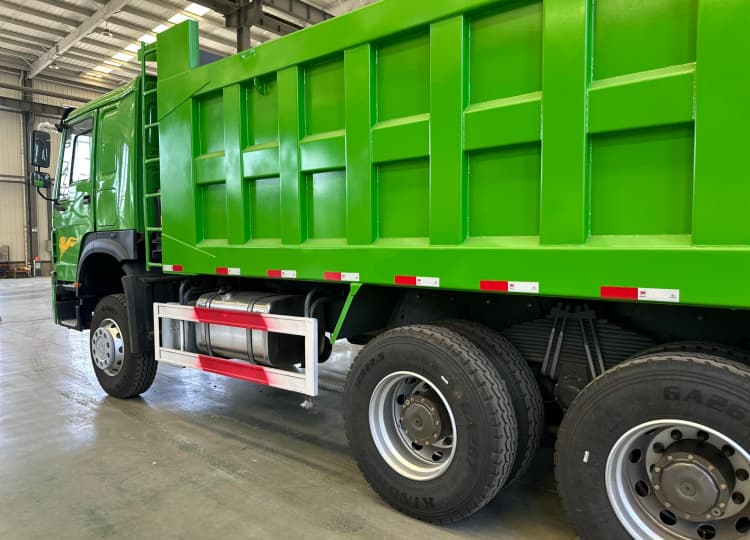
- Remanufacturing Output: Complete functional heavy vehicle or powertrain assemblies. The finished reman vehicle can be directly deployed into fleets for haulage, construction or mining work. It serves the same purpose as a new heavy truck.
Quality Standard & Traceability Requirement
Quality control systems are designed for different purposes.
- Material Recycling: Quality standards focus on material purity, metal composition and impurity control. No requirement to retain original component identity or service performance data. Traceability tracks material batches, not individual vehicle asset lifecycle.
- Remanufacturing: Strict performance reman standards for mechanical function, power output, braking and sealing. Every certified reman vehicle has a unique ID and full traceability archive covering inspection, machining and testing. Third‑party certification and bench test records are mandatory for formal reman.
When to Choose Recycling vs Remanufacturing?
The two approaches are complementary, not competing. They apply to different condition of end‑of-life heavy vehicles.
- Material recycling is suitable when: The truck suffers severe structural damage, frame cracks, total collision failure or irreparable fatigue. The core cannot meet reman incoming screening criteria. The asset can no longer be restored into a safe working truck.
- Remanufacturing is suitable when: The vehicle core passes NDT inspection; frame and major assemblies retain intact structural integrity. The asset can be fully regenerated to near‑new performance through standardized remanufacturing works.
Common Misconceptions
These misunderstandings frequently appear in circular economy discussions.
- ❌ Misconception 1: Remanufacturing is a form of material recycling. No. Recycling destroys the part structure; reman keeps and renews the original mechanical asset.
- ❌ Misconception 2: If a truck is dismantled for parts, it equals reman. Part harvesting for spare parts is separate from reman. Remanufacturing works requires systematic reassembly and full performance validation of a complete asset.
- ❌ Misconception 3: Recycling and reman have identical carbon reduction benefits. Reman delivers larger carbon savings because it preserves the high embodied energy of large cast and forged heavy vehicle components.
Conclusion
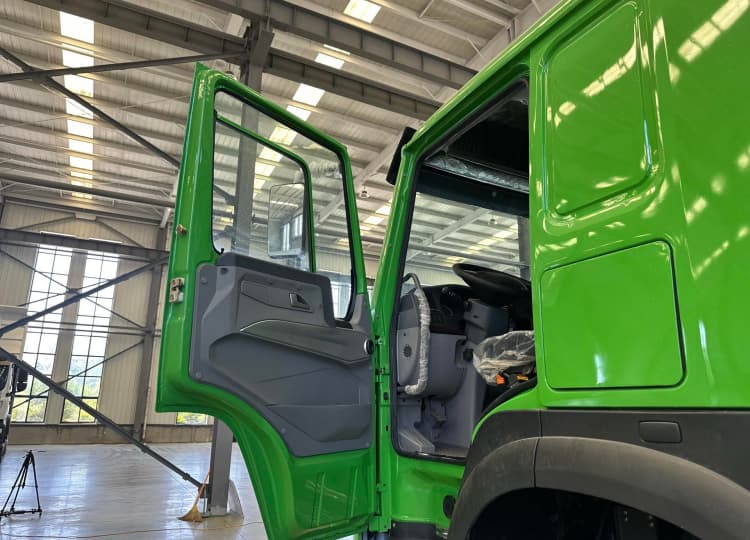
Material recycling breaks down end-of-life hardware into raw materials, sacrificing the original product’s manufacturing value. Remanufacturing works preserves the qualified core asset, renews worn components and restores the whole heavy truck to near-new functional performance.
They are two different tiers of circular economy. Remanufacturing works sits at a higher value retention level. Assets unfit for reman can then flow into material recycling. Understanding this distinction helps fleet decision-makers, auditors and tender teams correctly evaluate circular economy benefits of reman heavy trucks.
One Comment