
Why Standardized Reman Vehicles Lowers The Administrative Burden Of Mixed-Vehicle Fleet Auditing?
Intro
Auditing a mixed fleet is administratively heavy. When vehicles come from different rebuilders, each with unique inspection checklists, inconsistent record formats and variable rebuild scopes, auditors must evaluate every truck on its own merits. That means compiling separate evidence packs, responding to repeated clarifications and reconciling differing quality standards.
Standardized reman vehicles simplifies this. All same-duty-grade units follow identical acceptance gates, verified remanufacturing workflows and documentation templates. Auditors validate the standard once, then extend that assessment across the batch, drastically cutting the administrative effort on your side.
How standardized reman reduces the administrative burden of mixed fleet audits?
One standard, repeatable evidence package for all same-grade reman units
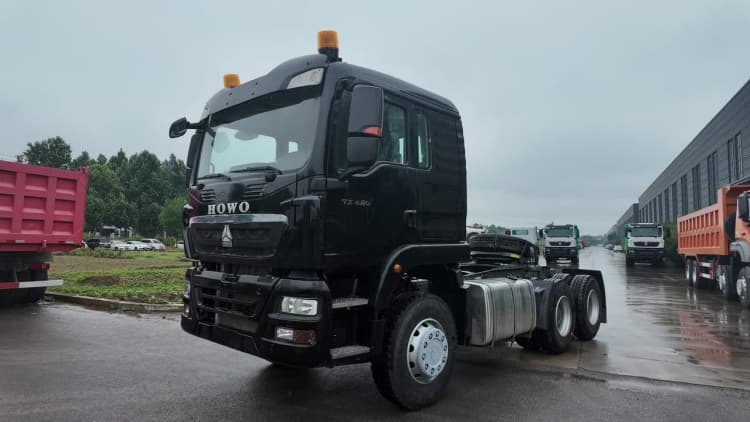
In a mixed fleet of random refurbished trucks, each vehicle may have different proof: some have invoices, some only photos, some no NDT records at all. Every audit triggers a scramble to gather scattered files. Standardized reman vehicles uses the same dossier structure for every unit. Each standardized reman vehicles VIN folder contains intake screening, metrology, NDT scans, component renewal logs, bench test results, torque records and final inspection sign‑off, formatted consistently. You build one evidence template and reuse it, instead of creating bespoke documentation for each truck.
Fewer auditor clarification requests and follow-up correspondence
Auditors flag inconsistencies first. If one truck was rebuilt without mandatory seal and bearing replacement and another includes it, they raise separate queries, request extra proof and schedule additional checks. Unified acceptance criteria mean there are no arbitrary differences between same-grade reman vehicles. The scope of rebuild, testing and inspection is fixed. Auditors quickly see the verified remanufacturing workflow is controlled, reducing the stream of emails, corrective action requests and supplementary information submissions that consume admin time.
Homogenised build reduces sampling complexity
When fleet assets are all unique, auditors often increase sampling size, because they cannot assume one unit’s condition represents the rest. This multiplies the amount of records you must pull, organise and submit. For standardized reman vehicles, the verified remanufacturing workflow is auditable and third‑party sampled at the production level. Once the auditor confirms the standard is valid, they can accept a smaller sample set for the fleet audit. Less sampling means less document retrieval, less cross-checking and less administrative overhead.
Clear separation between reman standardised assets and other fleet classes
Most mixed fleets combine new trucks, used trucks, refurbished units and standardized reman vehicles. Auditors need different evaluation rules for each category. Standardized reman vehicles forms its own clean, defined fleet subset with its own documented QA regime. You can segregate records by asset type upfront. You do not have to merge or reconcile reman records with inconsistent refurbished paperwork; you present them as a distinct, compliant group. This makes audit file organisation far simpler.
Digital VIN traceability reduces manual record chasing
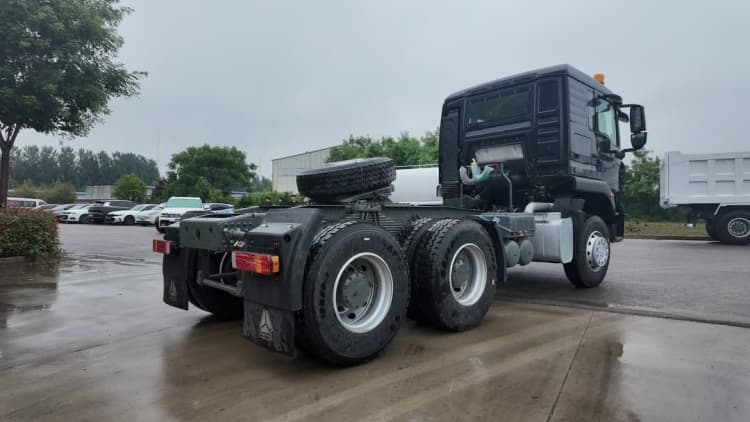
A major admin drain is locating physical paperwork, matching service history to VINs and proving that critical inspections were completed. REMAN ROAD standardized reman vehicles’s VIN‑bound digital dossier is searchable and ready for export. When auditors request records for a specific serial number, you retrieve the complete file in minutes, rather than hunting through folders, contacting previous repair shops and piecing together fragmented history. This cuts the time spent on document retrieval and validation.
Consistent maintenance and service records align with audit expectations
Variable rebuilds create variable service requirements, forcing you to maintain custom maintenance logs for individual trucks. Auditors must verify whether service intervals match the rebuild condition. Standardized reman vehicles share published service schedules, part lists and inspection triggers. Your maintenance logs follow the same structure. Auditors can review one set of maintenance rules and apply it to all same‑grade reman vehicles, without validating custom service plans for every truck.
Simplified reporting for HSEQ, ESG and client sustainability audits
Many modern fleet audits combine safety compliance with circular economy and carbon reporting. Generic refurbished stock rarely has structured sustainability evidence. Standardized reman vehicles dossiers include pre‑calculated embodied carbon savings, waste diversion data and rebuild scope summaries. These fields are standardised across the fleet. You can pull aggregated ESG reporting data quickly, instead of manually estimating sustainability metrics on a truck‑by‑truck basis.

Boundary Note
Standardized reman vehicles does not eliminate auditing entirely. Auditors will still review insurance, licence, driver records, site incident history and normal wear‑and‑tear maintenance. What it removes is the administrative friction caused by inconsistent rebuild standards, missing records and one‑off repair documentation that dominates audits of unregulated refurbished fleets.
Q&A
Q: Does this mean auditors will skip inspecting individual reman trucks? A: No. Physical inspections still happen, but the documentary review phase is streamlined. Auditors focus on verifying adherence to a known standard rather than investigating unknown rebuild scope.
Q: How do I separate reman records in my audit file? A: Group all certified standardized reman vehicles into a single schedule, reference the published acceptance criteria and attach a sample VIN dossier as the representative evidence pack for the group.
Q: How to phrase this in tender or audit methodology documents? A: Standardized reman vehicles share uniform rebuild criteria, test protocols and VIN traceability dossiers, reducing documentation complexity, auditor queries and administrative effort during mixed-fleet compliance audits.