
Why ECO Friendly Reman Supports Circular Economy Targets for Client Supply Chain Requirements?
Intro
Major contractors, resource operators and tendering clients now audit supply chains for measurable circular economy and carbon reduction outcomes. REMAN ROAD Eco friendly remanufacturing delivers verifiable environmental savings, letting fleet operators meet mandatory sustainability targets without sacrificing truck performance or uptime.
The Carbon Gap Between New Build and Eco friendly remanufacturing
Producing a new heavy-duty truck consumes massive volumes of virgin steel, castings, aluminium, rubber and fluids, paired with high energy for smelting, forging and component fabrication. REMAN ROAD Eco friendly remanufacturing preserves the original chassis, axle housings and core powertrain structure. Instead of melting these assets down for scrap, the process disassembles, inspects, NDT-tests, renews wear parts and rebuilds the unit to a defined standard.
This avoids the embodied carbon tied to raw material extraction and primary manufacturing. The environmental benefit is far larger than typical incremental efficiency gains from fuel tuning; it addresses emissions locked into the asset itself.
Circularity: Reuse Over Recycling
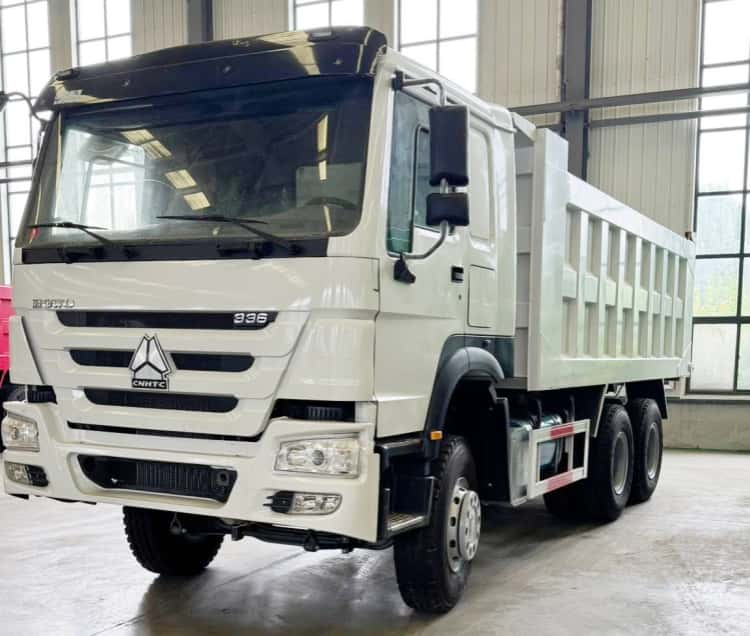
Many sustainability programmes confuse recycling with circularity. Recycling breaks materials back into raw feedstock, which still requires energy to remake into parts. Eco friendly remanufacturing keeps the finished engineered asset in productive service. It retains the value already embedded in the truck’s core structure, extending the service life of high-value components.
For client supply chain reporting, this distinction matters. Circular scoring frameworks prioritise life extension, product reuse and closed-loop asset retention above scrap recycling. Validated Eco friendly remanufacturing creates a documented circular activity that can be submitted in ESG disclosures and supplier audits.
Traceable Evidence for Client Supply Chain Audits
Generic sustainability claims carry little weight in modern tender reviews. REMAN ROAD’s VIN-linked digital dossier records every rebuild step, component renewal, NDT result and waste diversion volume. Fleets can supply their clients with auditable proof: how much steel was diverted from scrap, estimated embodied carbon saved and the standard applied for remanufacturing.
This Eco friendly remanufacturing documentation turns a vague “green” claim into a compliant supply chain deliverable. It is often required for mining, infrastructure and public-sector contracts that impose supplier-level circular economy KPIs.
Aligning Fleet Assets With Customer Scope 3 Goals
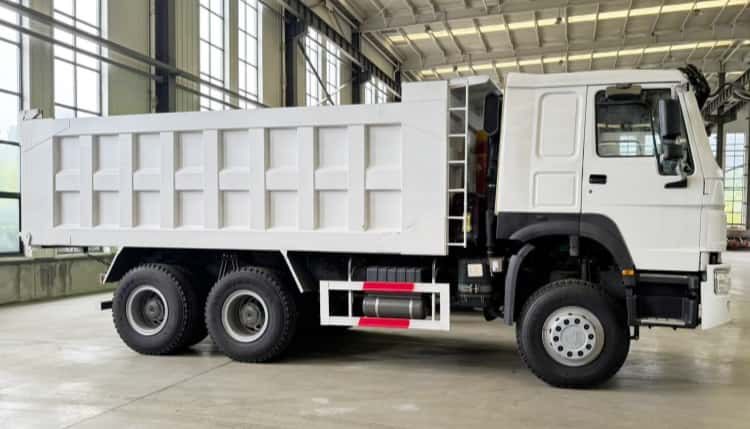
Scope 3 emissions include emissions from suppliers, equipment and capital goods used by a client. When a haulage or earthworks fleet deploys eco friendly reman trucks, it reduces the client’s upstream supply chain footprint. Many large asset owners now reward or mandate suppliers that lower scope 3 impact.
Using certified eco friendly reman trucks becomes a competitive tender advantage. It differentiates your bid from competitors relying solely on new trucks or unrecorded used stock, which offer no formal circularity evidence.
Controlled Waste and Hazardous Material Management
Responsible Eco friendly remanufacturing also includes structured handling of oils, filters, seals and worn components. Consumables are replaced and routed to approved recycling streams, while reusable cores are quarantined for future rebuilds. This minimises uncontrolled waste sent to landfill and reduces hazardous material leakage risks, another common supply chain sustainability check.
Realistic Boundaries
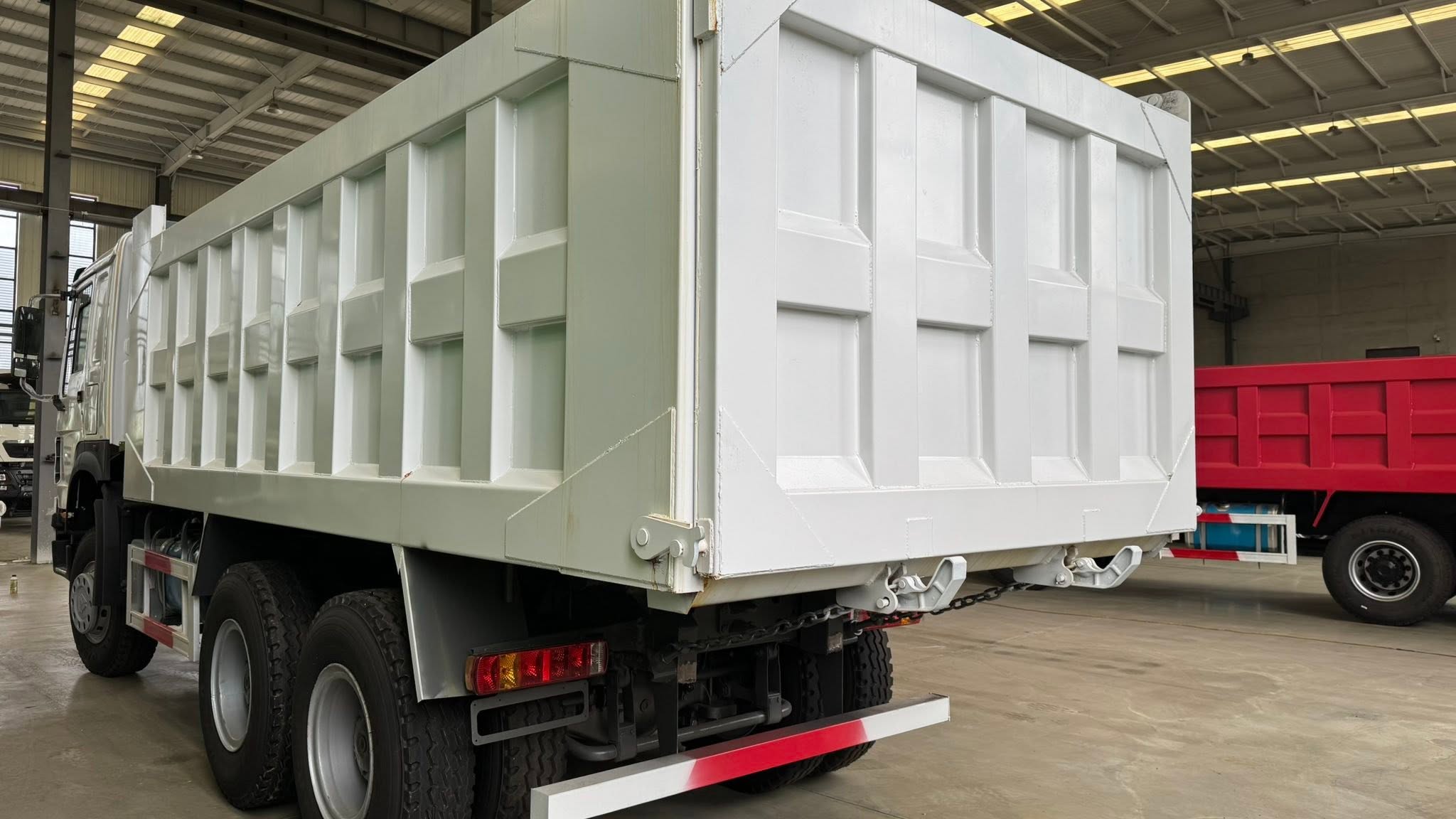
Eco friendly remanufacturing is one circular tool, not a complete carbon solution. It does not eliminate tailpipe emissions from diesel operation. Where clients require zero tailpipe emissions, electric vehicle strategies remain necessary. But for existing diesel heavy-duty fleets, Eco friendly remanufacturing is one of the most cost-effective, immediately available circular actions.
Q&A
Q: Can reman data be imported into our client’s ESG reporting system? A: Yes. The VIN dossier includes standardised carbon saving and waste diversion metrics formatted for third-party audit and sustainability disclosures.
Q: Is reman recognised under formal circular economy standards? A: Certified Eco friendly remanufacturing follows recognised life-extension principles, distinct from refurbishment or simple repair. Full audit trails support validation against client circularity requirements.
Q: Does choosing reman compromise reliability while chasing green targets? A: No. REMAN ROAD Eco friendly remanufacturing combines circular objectives with unified inspection, NDT screening and warranty coverage, so sustainability does not trade off against operational performance.