
How Certified Truck Reman Lowers Long-Haul Operating Expenses for Haul Fleets?
Intro
Long-haul haulage fleets operate on thin margins, where even small, recurring cost increases can quickly erase profitability. Highway routes stretch across vast distances, and trucks spend hundreds of hours rolling each month, making fuel consumption, unscheduled repairs and roadside service calls major drivers of operating expense. Many fleet managers assume their only choices are expensive new trucks or high-risk uncertified used trucks. REMAN ROAD certified truck reman creates a balanced alternative built specifically for steady highway-cycle operation.
Every REMAN ROAD certified reman truck undergoes full disassembly, wear-component replacement, engine and gearbox calibration, dyno validation and functional road testing. Structural frames pass NDT screening to rule out hidden fatigue. Duty classification tags each truck for highway use, defining safe payload and cycle limits. This engineered baseline removes the unknown wear variables that push up running costs for ordinary second-hand trucks.
For long-haul operators, the savings are not limited to purchase price. They appear in daily fuel burn, fewer emergency service stops, simpler maintenance planning and lower roadside assistance costs. This article outlines how certified truck remanufacturing keeps your regular highway operating expenses stable and easier to budget.
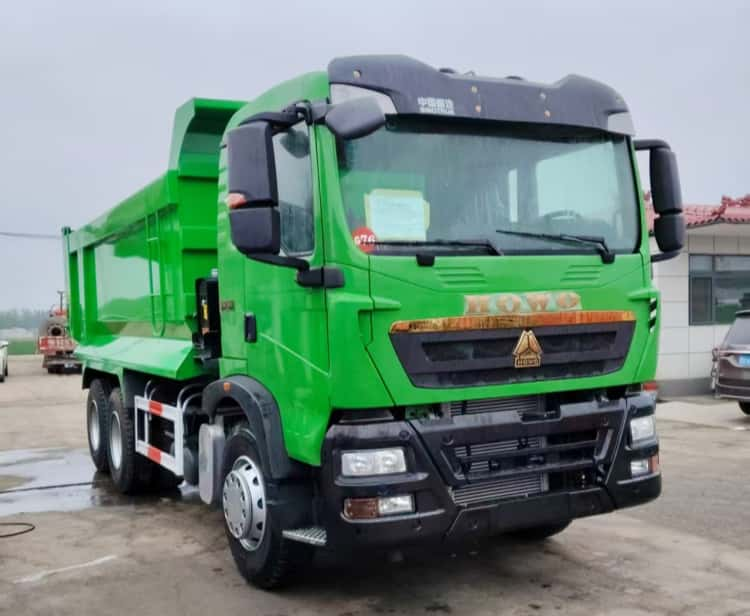
Consistent fuel performance controls your biggest recurring cost
Fuel is the single largest operating expense for long-haul fleets. A worn, uncalibrated engine or aging driveline can create drifting fuel consumption, with no clear explanation until month-end cost reports. Generic used trucks often carry degraded injectors, worn bearings and out-of-tune transmission components that steadily increase fuel burn.
REMAN ROAD certified truck remanufacturing reset the powertrain to standard performance specs. Engine assemblies are calibrated on the dynamometer, fuel systems are inspected and renewed where required, and gearboxes are bench-tested for smooth, efficient power transfer. The result is predictable fuel economy across the fleet. Dispatch teams can build accurate tonne-kilometre cost models, and budget forecasts do not get derailed by random fuel variance between individual trucks. Over thousands of highway kilometres, small fuel-efficiency gains compound into meaningful savings.
Fewer roadside failures cut emergency service costs
Long-haul breakdowns carry stacked costs: tow fees, mobile service calls, driver idle pay, delayed cargo penalties and rerouting logistics. On remote highway stretches, roadside support can be slow and premium-priced. Uncertified used trucks often fail from hidden wear in brakes, cooling systems, seals and suspension parts — components that are not visible in a quick pre-purchase inspection.
During REMAN ROAD certified truck remanufacturing, all cycle-critical consumables are replaced. Brake systems, cooling circuits, suspension bushings, hoses and seals are renewed to specification. Final road tests validate braking, temperature control and electrical performance under highway load. While no truck is failure-proof, the frequency of sudden, roadside stoppages drops sharply. Fleets spend less on emergency service and avoid the cascading costs of delayed cargo runs.
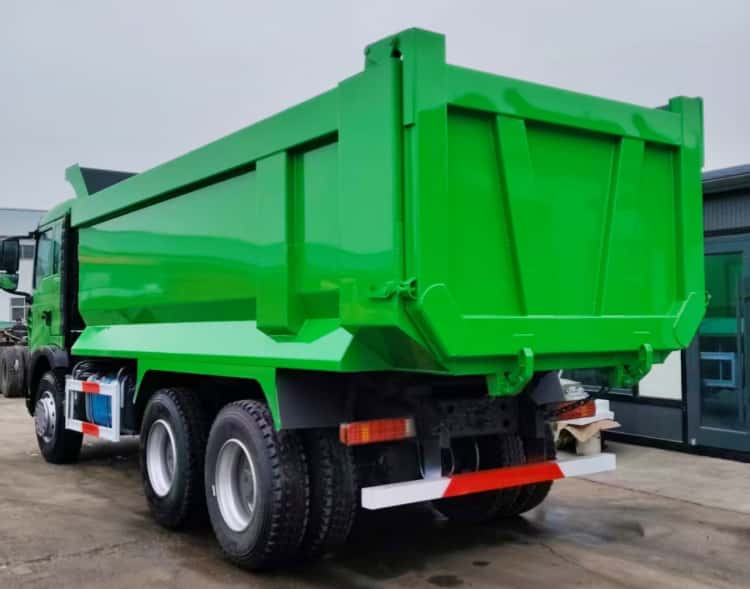
Planned maintenance reduces reactive workshop spend
Long-haul fleets thrive on scheduled service. When trucks are reliable, maintenance teams can plan work around rest cycles and terminal stops, rather than dropping everything to respond to urgent breakdowns. Generic used fleets force workshops into a constant fire-fighting rhythm, with overtime, rush ordering of parts and chaotic scheduling.
Each REMAN ROAD certified reman truck comes with a clear, standardised maintenance schedule aligned to its duty classification. Parts lists are consistent across the platform, so you can stock common service items in advance and reduce premium expedited part orders. Warranty coverage on reman assemblies also caps costs if rebuild-related defects surface early in service. Maintenance spending becomes predictable, instead of a volatile line item each month.
Lower secondary operational costs for drivers and cargo
Breakdowns impact more than repair invoices. Late deliveries damage shipper relationships, and extended waiting times frustrate drivers and increase turnover risk. Certified reman trucks maintain planned schedules, helping fleets avoid contractual penalties and preserve freight contracts.
Standardised certified truck reman also mean familiar controls and handling characteristics across the fleet. Drivers spend less time adapting to unpredictable vehicle quirks, reducing human error and minor incidents that trigger extra administrative or repair expense.
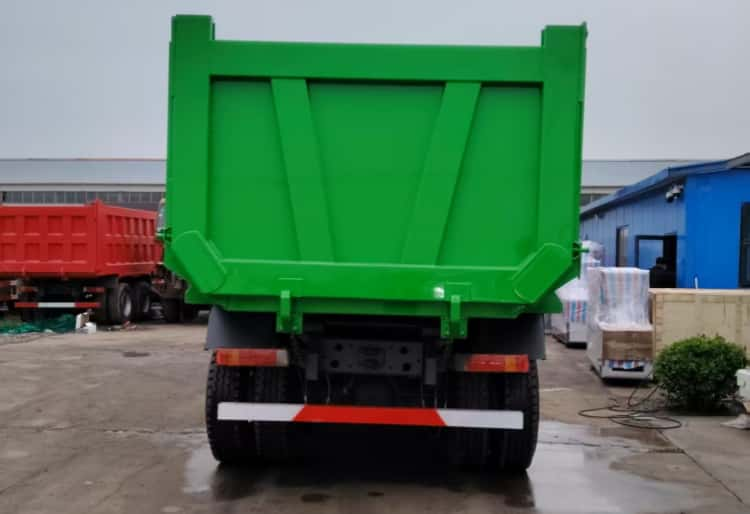
Important guardrail
Certified truck remanufacturing will not lower operating expenses if dispatched outside its duty envelope. Long-haul classified units are designed for paved highway, moderate payload and low-vibration cycles. Overloading, off-road detours or skipping scheduled service will accelerate wear, hurt fuel efficiency and bring back the high running costs you aim to avoid. The expense advantage depends on pairing certified reman trucks with disciplined route and payload management.
Final Takeaway
REMAN ROAD certified reman trucks stabilise fuel burn, reduce roadside emergency events and turn reactive repair spend into planned maintenance for long-haul fleets. For haul operators, the key takeaway is simple: controlling long‑haul operating expenses is less about cutting corners, and more about eliminating unpredictable wear that quietly inflates your monthly running costs.