
How Quality Assured Reman’s Standardised Workflows Reduce Quality Variability Unit to Unit?
Intro
The biggest quality pain point with informal refurbishment is unit-to-unit inconsistency. Two trucks of the same model can leave the same workshop with wildly different reliability, simply because the scope of work, parts selection and assembly choices depend on the technician on shift. For fleet buyers, this variability creates impossible forecasting: uptime, maintenance demand and residual value cannot be reliably modelled.
REMAN ROAD Quality assured remanufacturing replaces discretionary repair work with standardized, verified reman workflows. Every truck in the same model and duty grade family follows the identical sequence, inspection criteria and validation steps, narrowing performance gaps between individual units.
Where Variation Originates in Unstandardized Rebuild Work?
Unregulated rebuild workflows contain many discretionary decision points. Technicians decide which worn seals or bearings to reuse, which cracks to repair, which tolerances to accept, and what test cycle is sufficient. One technician may replace all high-cycle consumables; another may reuse them if they look visually intact. Core incoming condition also creates bias.
Without standardized acceptance gates for used chassis and powertrain cores, borderline cores can slip through. The end result is a fleet where some units deliver long uptime while others suffer early failures, with no clear way to tell them apart before deployment. This hidden spread of quality is costly for quarry, mining and remote haulage operations.
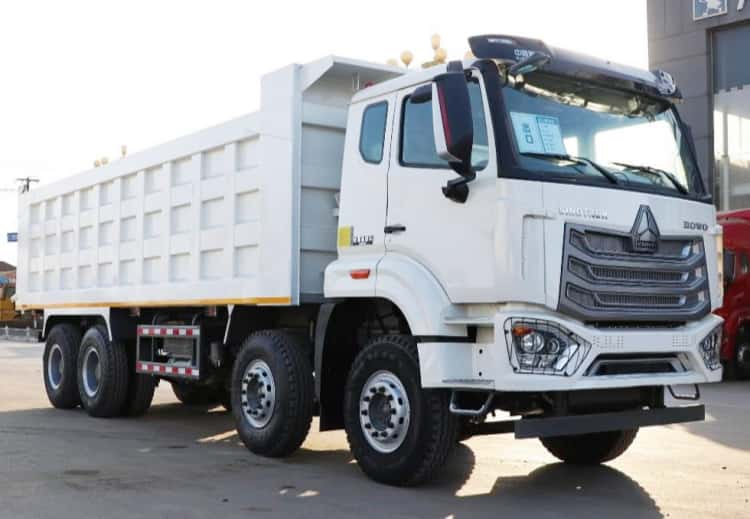
Verified Reman Workflow Gates Lock In Identical Scope for Every Unit
REMAN ROAD’s verified reman workflow is defined as a fixed sequence of mandatory steps, not a loose checklist. Full disassembly, industrial cleaning, NDT screening, component grading, mandatory consumable renewal, controlled assembly, bench validation and final road testing are all required for every unit in the same grade.
There is no optional “skip” clause for high-risk items. Seals, bearings, hydraulic hoses and critical fasteners are replaced by rule, not by visual judgement. The bill of materials is fixed, so interchangeable parts are selected from the same approved component list. This verified reman workflow removes the largest source of variation: inconsistent component renewal scope.
Objective Inspection Criteria Replace Subjective Technician Judgement
Visual inspection is inherently variable. What one technician considers acceptable wear may be rejected by another. Quality assured remanufacturing uses quantified tolerance limits and instrument-based checks. Ultrasonic, magnetic particle and digital radiography NDT produce measurable, logged results. Torque-controlled assembly tools record timestamped values for every critical fastener.
Bench tests run pre-programmed load cycles, capturing power output, brake response, oil pressure and leakage metrics against pass/fail thresholds. Units either meet the numeric specification or they are reworked; there is no room for subjective sign-off. This means the standard does not shift based on operator experience, workload or schedule pressure.
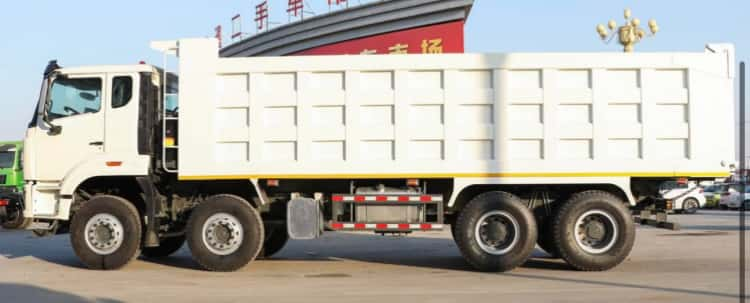
Digital Dossier and Traceability Enforce Workflow Compliance
Every verified reman workflow step is logged against the truck’s VIN. The dossier records core acceptance results, component serial numbers, test outputs and non-conformance resolution. If one unit deviates from the standard workflow, the deviation is captured and flagged before delivery. Production teams can trace variation back to a specific station, tool or batch of components, and close the gap before the inconsistency repeats across the build pool.
This also creates consistency for downstream users. Fleet managers know that any two REMAN ROAD quality assured reman trucks of the same grade have passed the same inspection and testing regime, not just received a generic “rebuilt” label.
Automated Bench Testing Creates Uniform Performance Baselines
Manual testing is prone to inconsistency. Test duration, load level and observation methods can shift between units. Automated bench testing removes that variable. Each powertrain, axle and brake assembly runs the identical programmed test profile. The system captures objective performance data and rejects units that fall outside the defined band.
This verified reman workflow ensures engine torque, transmission shift behaviour and braking performance cluster tightly around the design target, rather than spreading across a wide range. For fleet operations, this translates to matched fuel consumption, predictable wear rates and aligned maintenance schedules across the fleet.
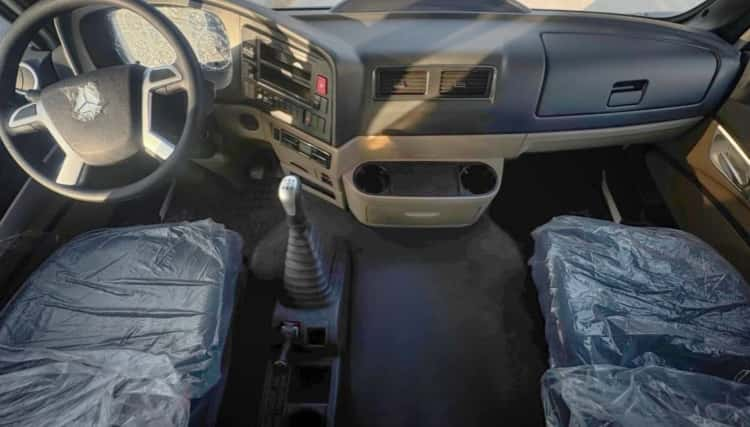
Controlled Core Sorting Prevents Hidden Input Variation
Even with perfect assembly, inconsistent incoming cores will create output variation. REMAN ROAD quality assured remanufacturing applies a pre-rebuild core acceptance standard. Any core that fails structural or dimensional screening is rejected, repaired under defined additive repair protocols, or downgraded to a lower duty grade.
Cores are not treated as interchangeable raw material. A chassis that carries excessive prior fatigue will not be built into a heavy quarry-grade reman truck. This upstream sorting prevents poor starting material from dragging down the consistency of the finished fleet.
Boundary Note
Standardized verified reman workflow do not make every truck perform identically forever. Differences in post-delivery operating hours, payload, terrain and fuel quality will still create gradual divergence over time. The verified reman workflow eliminates avoidable variation introduced during the rebuild process itself. It does not erase operational wear that accumulates after the truck enters service.
Q&A
Q: Does standardization mean reman trucks are identical to new trucks? A: No. They share a consistent rebuild baseline, but they retain the original chassis core. The goal is tight, predictable clustering of performance, not factory-new homogeneity.
Q: Can verified reman workflow still support different duty grades? A: Yes. Each duty grade has its own dedicated verified reman workflow, tolerance bands and test cycles. Highway-grade and heavy off-road units follow separate standards internally.
Q: How does this unit-to-unit consistency benefit tender pricing? A: It removes the quality uncertainty contingency from TCO and ROI models. You can assume the same uptime and maintenance profile across the reman fleet, rather than budgeting for a wide spread of possible outcomes.