
Why Validated Remanufacturing Is Ideal for Short-Term Fixed-Term Mining and Earthworks Contracts?
Introduction
Fixed‑term mining and earthworks contracts have clear start and end dates. Fleet operators need sufficient hauling capacity for the project duration, but they do not want to carry the financial burden of owning assets long after the work finishes. New trucks carry steep upfront cost and rapid early depreciation, while uncertified used trucks carry unpredictable downtime that can derail milestone deadlines and trigger penalties.
Validated remanufacturing fills this gap perfectly. Each unit is rebuilt to an auditable reman standard, fully tested and supplied with traceable documentation, making it well suited to the risk, timeline and budget constraints of temporary site operations.
Matches finite project timelines without permanent asset commitment
A short‑term contract may run six, twelve or eighteen months. Buying new trucks means absorbing the largest depreciation hit immediately, even though the asset will no longer be required once the project concludes.
REMAN ROAD Validated reman trucks have a gentler depreciation curve and a known residual value baseline. Operators can deploy them for the contract window, then reallocate, resell or trade them away without being trapped in a long‑term ownership cycle. This removes the risk of being left with underutilised heavy assets once the site is demobilised.
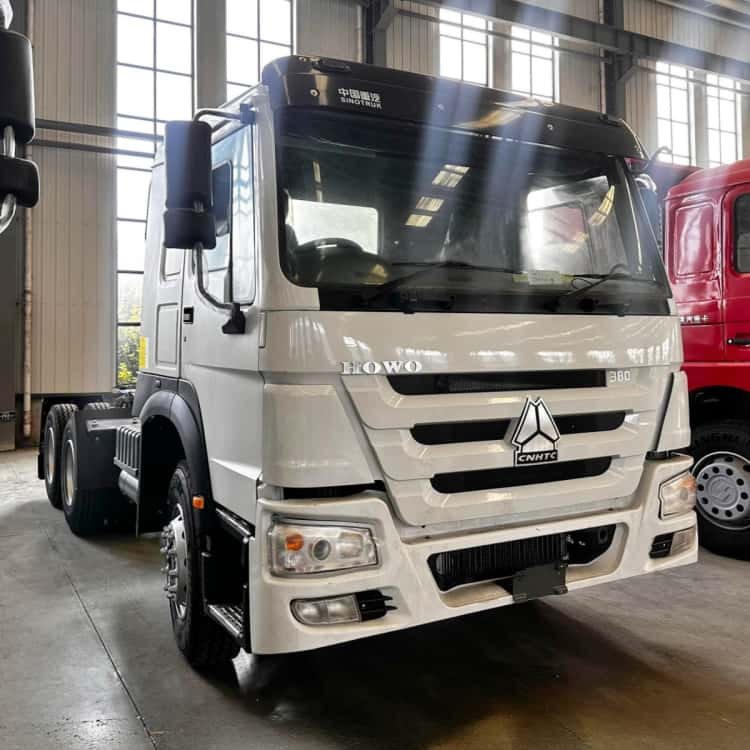
Fast availability meets tight mobilisation schedules
Mining and earthworks tender awards often leave narrow windows for site mobilisation. Factory new trucks can have multi‑month lead times, which puts contract start dates at risk.
Standardised validated remanufacturing programmes maintain a pipeline of ready‑to‑deploy dump trucks. Lead times are compressed, so fleets can scale up haul capacity quickly once the contract is signed. This speed is critical for meeting the site handover and production start dates written into fixed‑term agreements.
Verified reliability reduces exposure to liquidated damages
Short‑term projects tend to have tightly defined critical paths. There is little buffer built into the schedule for haul fleet breakdowns. Validated reman trucks pass NDT structural screening, powertrain bench testing and brake performance validation before delivery.
Latent frame fatigue, worn driveline parts and fading brake systems are resolved before arrival on site. The validated remanufacturing warranty coverage adds another layer of protection. Consistent uptime reduces the chance of production stoppages, missed tonnage targets and costly liquidated damage clauses.
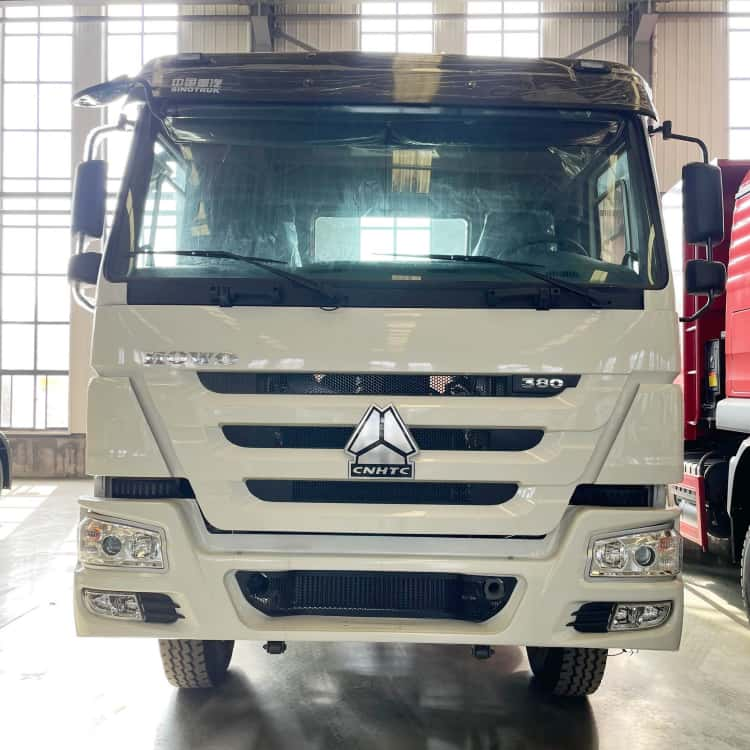
Complete documentation speeds up site and cross‑border mobilisation
Mining sites, especially remote or cross‑border operations, enforce strict safety and compliance checks before trucks are allowed to work. Mobilisation teams require proof of structural integrity, emissions compliance and safety system performance.
Validated remanufacturing comes with a complete, auditable dossier of test reports, inspection logs and rebuild records. Site safety officers, insurers and border regulators can review these documents quickly. This avoids costly delays while waiting for third‑party surveys to approve every individual truck.
Predictable TCO for fixed contract pricing
Most short‑term earthworks and mining contracts are priced with a fixed budget. Unplanned repair bills are a major threat to profit margins. Validated remanufacturing delivers a reset wear baseline and defined service intervals.
Maintenance spending becomes far easier to forecast, and the contingency budget for emergency repairs can be kept smaller. Finance teams can model the full project cost with confidence, knowing the fleet’s reliability and service requirements are not open‑ended unknowns.
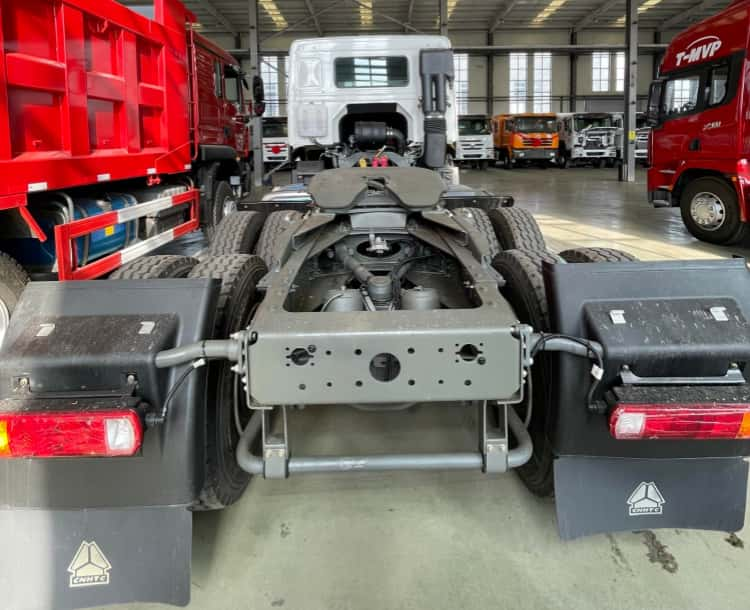
Flexible exit strategy once the contract concludes
When the project ends, validated reman trucks remain marketable assets. Their traceable rebuild history gives them an advantage in resale or trade‑back negotiations, unlike generic used trucks with unknown condition.
The fleet operator can downsize cleanly: sell surplus units, move them to the next short‑term contract, or return them under lease arrangements. This flexible exit makes validated remanufacturing a far more agile choice than new trucks, which are harder to offload without significant loss when a project finishes early.
Conclusion
Validated remanufacturing aligns naturally with the logic of fixed‑term mining and earthworks contracts. It delivers rapid mobilisation, proven reliability, auditable compliance, predictable running costs and a clean exit path. For contractors who need heavy haul capacity for a defined period, it avoids the overcommitment of new trucks and the reliability gamble of unvetted used stock.