
How Standardised Reman Truck Reduces the Learning Curve for Your In-House Maintenance Team?
Introduction
Mixed fleets made up of random used trucks force maintenance technicians to constantly adapt to different configurations, modified parts, inconsistent wiring and unknown rebuild work. Each truck can feel like a unique puzzle, slowing repairs, increasing diagnostic errors and extending training time.
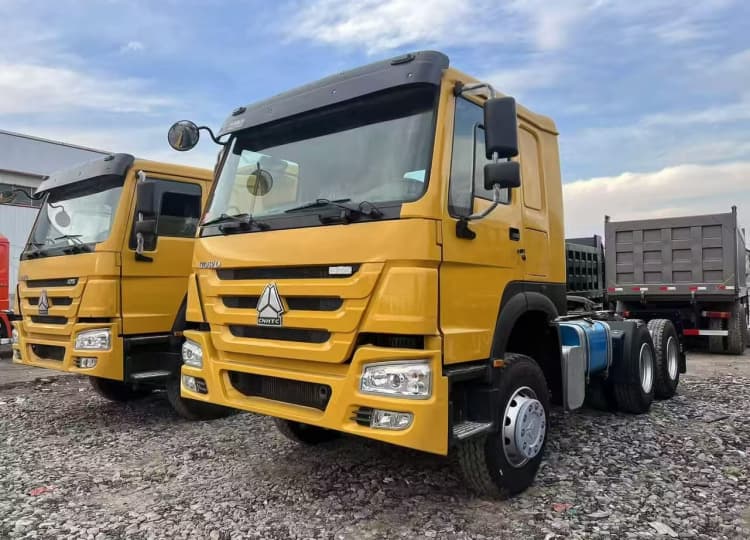
REMAN ROAD standardised reman trucks are built to a fixed, repeatable specification. Shared component selection, service points, test criteria and documentation create a familiar baseline. This flattens the learning curve for in-house teams, speeding up routine work and lowering the risk of misdiagnosis.
Common architecture and consistent part mapping
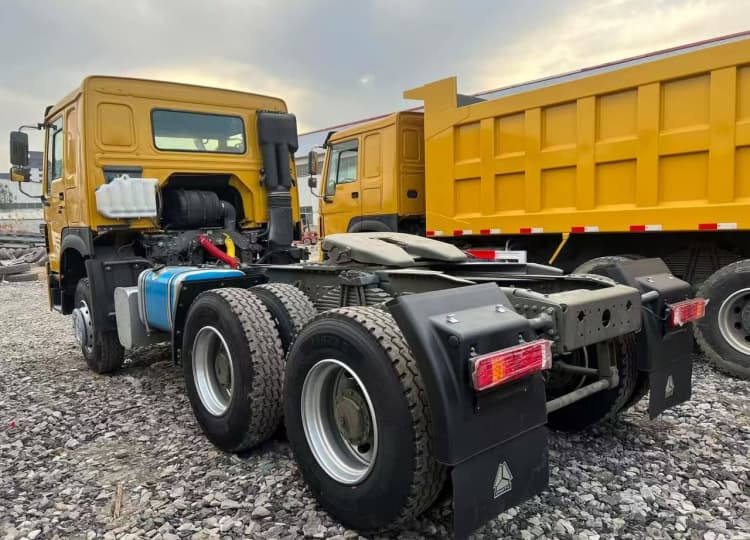
Every standardised reman truck of the same model family uses the same approved bill of materials. Brake assemblies, driveline components, hydraulic valves, electrical harnesses and sensor layouts follow the same layout. Technicians do not encounter one-off modifications, aftermarket retrofits or mismatched replacement parts that are common on casually maintained used trucks.
Once a technician learns the service sequence for one standardised reman truck, that knowledge transfers directly to every other matching standardised reman truck. There is no need to re-learn routing, connector locations or adjustment procedures for every individual asset.
Unified service intervals and diagnostic reference data
Standardised reman truck comes with a shared service manual and checklist tied to the rebuild baseline. The schedule for oil service, filter replacement, slack adjuster calibration, driveline inspection and NDT rechecks is identical across the fleet. Diagnostic reference values — oil pressure ranges, brake test pressures, idle speed and torque targets — are documented consistently.
Technicians have a clear benchmark to compare against during troubleshooting. Instead of guessing what “normal” looks like for a particular truck, they refer to a fixed standard. This reduces the time spent chasing intermittent faults.
Training becomes scalable instead of one-off
When assets are inconsistent, training must be ad-hoc. New technicians learn one truck at a time, relying on senior staff’s tribal knowledge. With standardised reman, the team can run a single training session covering the full reman specification. The same fault trees, torque values and test routines apply across the group.
Junior technicians can independently perform routine inspections and scheduled service faster, reducing reliance on a small pool of senior mechanics. Knowledge transfer becomes structured, rather than dependent on informal on-the-job observation.
Faster troubleshooting and fewer misdiagnoses
A large share of maintenance delay comes from misdiagnosis. On undocumented used trucks, a symptom can have dozens of unknown root causes from past repairs. Standardised reman truck limits variables: the rebuild scope is defined, critical components are new or reconditioned to spec, and prior faults are logged in the asset dossier.
When a fault appears, technicians can quickly rule out many possibilities because they know what work has and has not been performed. This reduces unnecessary part swapping and trial-and-error repairs, cutting downtime for the fleet.
Simplified spare parts stocking for the workshop
Uniform specifications also streamline the workshop inventory. The maintenance team only needs to stock a targeted set of spare parts aligned with the standardised reman standard. No need to hold obscure, model-specific components for random vintage trucks.
Technicians know exactly which replacement part number fits each reman truck, eliminating delays caused by ordering incorrect parts. This inventory simplicity reinforces the learning curve benefit: the team becomes familiar with a smaller, consistent set of serviceable components.
Conclusion
REMAN ROAD standardised reman trucks lower the learning curve for in-house maintenance teams by eliminating configuration chaos. Uniform layouts, shared service benchmarks, consistent documentation and a narrow parts list turn a fleet of unique unknowns into a set of predictable, familiar assets. This improves repair speed, reduces mistakes and makes it easier to grow and upskill the maintenance team over time.