
Resale Value Rules for Certified Reman Vehicles
Introduction
Resale value is not an afterthought in fleet finance. It is a critical component of total ownership cost and directly impacts ROI when rotating assets. Unlike generic refurbished or used trucks whose resale value is largely random, certified reman vehicles follow clear, repeatable rules that owners can actively manage.
These rules separate REMAN ROAD certified reman vehicles from undocumented alternatives. Every choice made during deployment, maintenance and documentation will either protect resale value or accelerate depreciation.
Valid, complete certification is the foundational rule
Certification only holds its market value if it is authentic and fully traceable, not just a printed sticker or simple certificate.
Buyers in the formal fleet market verify that the reman record links directly to the truck’s VIN. It must include core inspection records, non-destructive testing reports, powertrain dyno test data, and a list of fatigue-critical components replaced during remanufacturing stages. Missing documents, altered records or expired certification immediately downgrades the asset. Once certification cannot be audited, the truck will be priced the same as ordinary refurbished stock.
Certified reman vehicles without its full dossier loses its biggest differentiator in the secondary market.
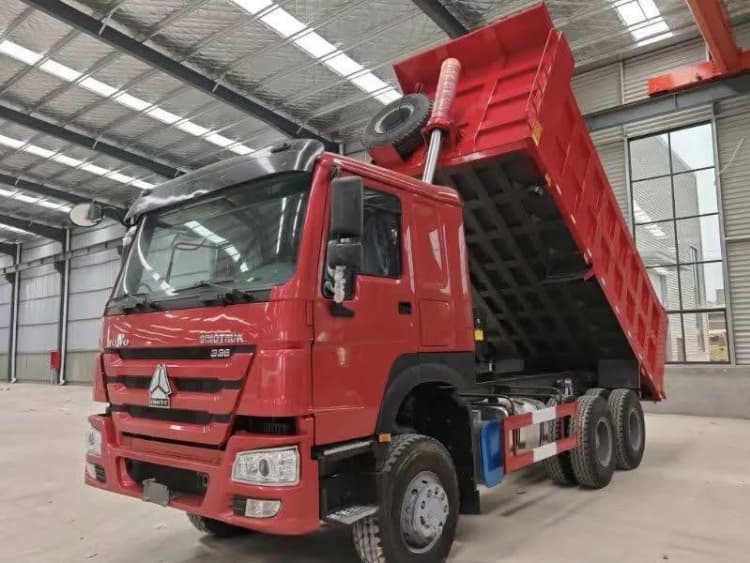
Continuous service logging preserves value
Certification covers the remanufacturing stages, but ongoing service history proves how the truck was treated after entering operation.
Consistent, date-stamped service logs tied to the VIN confirm adherence to recommended maintenance intervals. This tells buyers that wear has developed predictably, rather than from neglect. Gaps in service records raise suspicion. Even if the truck runs well, buyers will apply a risk discount to compensate for unknown maintenance gaps.
Fleets should store service records digitally alongside the original reman file, to hand over the full lifecycle package at the point of sale.
Duty profile shapes depreciation speed
How the truck is used directly impacts its resale value trajectory?
Units deployed in light-to-moderate haul work retain value better than those run continuously in heavy off-road mining, overloading or high-corrosion environments. Heavy cyclic loading accelerates component fatigue, even for properly remanufactured vehicles.
Fleet managers can protect resale value through planned asset rotation. Move units that are being prepared for resale to lighter-duty assignments in their final operating phase, instead of running them to failure on the harshest sites. Clear documentation of duty history also lets buyers price the asset fairly, instead of assuming the worst-case usage scenario.
Exit timing must align with the planned economic cycle
Certified reman vehicles have a predictable value curve. They should be sold before the point where major rework becomes necessary.
Selling too early wastes remaining usable service life and revenue potential. Holding the truck past its economical window triggers steep depreciation. When major overhaul or core replacement becomes imminent, buyers factor that future expense into their offer, pushing resale value down sharply.
The rule is simple: exit before the next large mandatory repair event. Planned asset cycles make this timing easy to forecast. Selling reactively after a breakdown almost always results in a heavily discounted price.
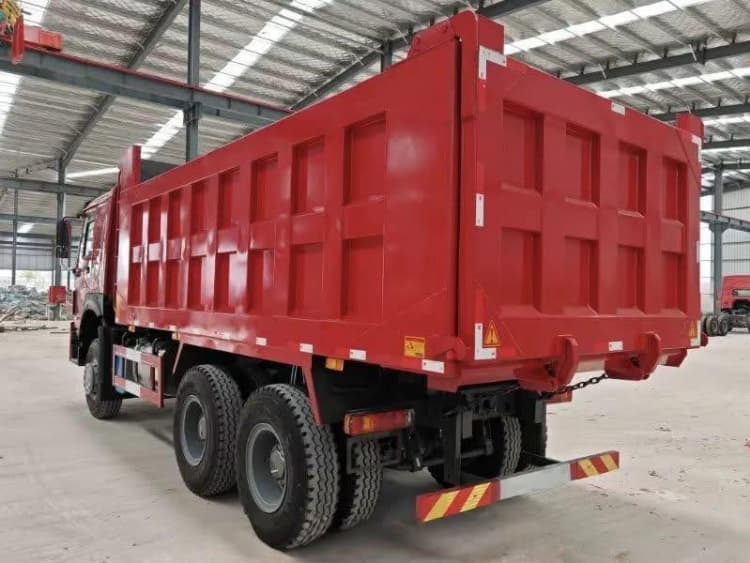
Physical condition supports but cannot replace certification
Clean appearance, fresh paint and minor cosmetic repairs help presentation, but they will not compensate for missing test records or expired certification.
This is a key distinction from the used-truck market, where surface condition heavily influences offers. For certified reman buyers, documentation comes first. Cosmetic work can add a small premium, but it cannot overcome gaps in technical proof. Spending excessively on non-essential cosmetic upgrades before resale rarely delivers positive return on investment.
Target the right buyer group
Different buyers assign very different value to certified reman vehicles.
Formal construction contractors, registered haulage companies and tender-qualified fleets are the highest-value buyers. They understand ESG eligibility, audit requirements and the value of traceable reman standards. They are willing to pay for the certification package.
Informal traders and scrap-focused buyers ignore certification. They will only offer pricing based on metal weight and immediate running condition, capturing none of the value built into the reman standard. Selling to the wrong buyer group leaves significant residual value on the table.
Transparent disclosure prevents post-sale disputes and price erosion
Concealing faults, prior damage or heavy usage history backfires quickly.
Even with solid certification, undisclosed issues will emerge during the buyer’s pre-purchase inspection. When defects are found, buyers will either walk away or demand a large price reduction. A reputation for transparent asset history helps a fleet command better pricing on future resales, as buyers trust the provided documentation.
Honest disclosure of known wear items, previous minor repairs and site usage protects the fleet’s credibility and supports stable, fair negotiation.
Market conditions set the baseline, standards control the premium
Regional demand, currency movement, import availability and local tender activity create the broader market baseline. Fleet operators cannot control macro market swings, but they can control the premium layer.
When new truck supply is tight or capital is scarce, certified reman vehicles hold their premium more strongly than generic refurbished trucks. Even in softer markets, properly documented certified units depreciate slower, because buyers recognise their lower failure risk and tender eligibility. The premium does not disappear; it only compresses.
Common mistakes that destroy resale value
- Separating certification documents from the VIN and losing test records
- Overloading the truck and skipping scheduled maintenance
- Holding the asset until a catastrophic failure occurs before listing it for sale
- Selling certified reman vehicles through informal channels without highlighting the audit package
- Confusing cosmetic refurbishment with formal reman certification in sales communications
Closing
Resale value for certified reman vehicles follows a clear set of rules built around verifiability and predictable lifecycle management. Valid traceable certification, complete service logs, controlled duty exposure, well-timed exit, correct buyer targeting and transparent disclosure all work together to secure the asset’s residual premium.
For certified reman vehicles fleets, resale value is not luck. It is a return earned by following standards from the day the truck enters service until it transfers to a new operator. Proper management of these rules reduces net lifecycle cost and improves overall fleet ROI.