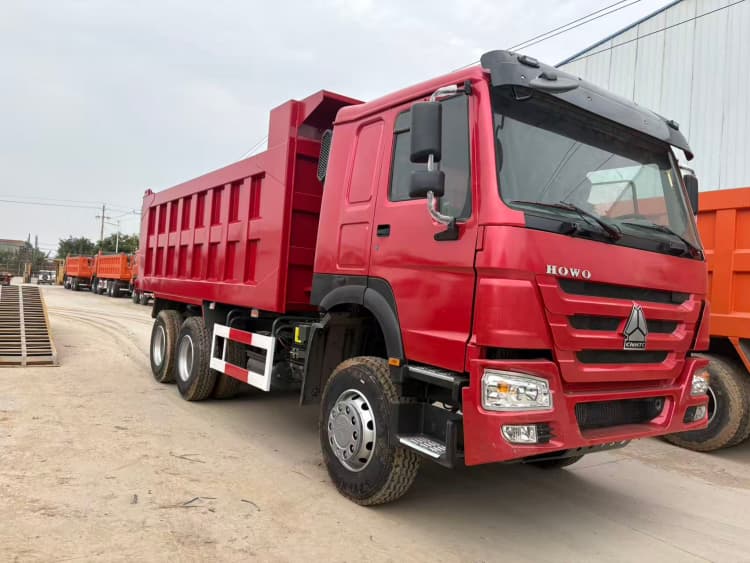
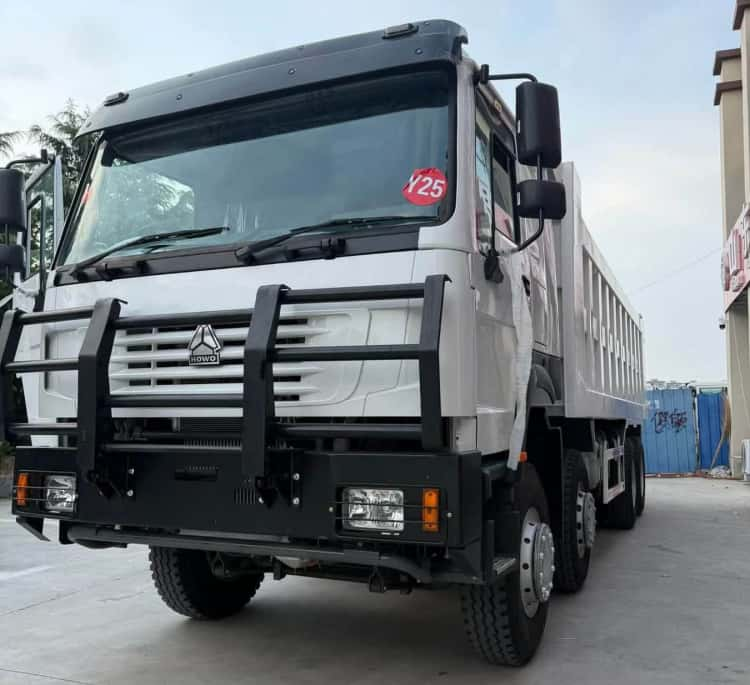
How Certified Reman Vehicle Standardization Lowers Overall Management Costs?
Introduction
Many fleet operators assume the value of certified reman vehicles lies only in lower purchase prices. A less obvious but substantial benefit comes from standardization.
When certified reman vehicles are built against a fixed, consistent set of technical rules, inspection protocols and documentation requirements, fleets reduce the time, confusion and extra labour spent managing a mixed pool of unevenly reconditioned equipment. Without standardization, every truck can become its own unique problem, requiring custom repair plans, separate validation checks and one-off record keeping.
Unified maintenance schedules and service procedures
Standardized certified reman vehicles specifications define exactly which components are renewed, which are tested, and the expected wear cycle of every critical part.
Fleet managers do not need to create a custom service plan for each individual truck. They can roll out one shared maintenance checklist, fixed inspection intervals and standard replacement thresholds for the whole reman fleet. Technicians follow the same workflow across all units, cutting diagnostic guesswork and reducing the chance of missed inspections.
By contrast, non-standard refurbished trucks each carry unknown wear histories. Mechanics must spend extra time troubleshooting unique faults, and maintenance plans have to be adjusted case by case. This raises workshop management overhead.
Simplified technician training and knowledge transfer
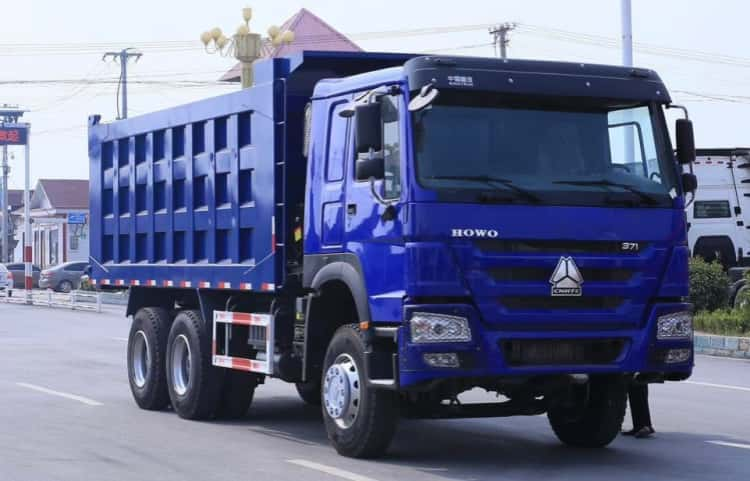
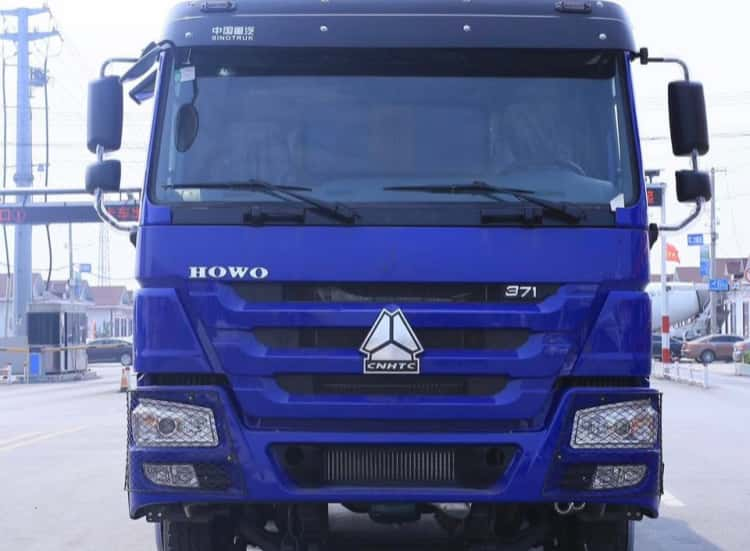
Certified reman vehicles are rebuilt to consistent benchmarks based on mature Chinese heavy-duty platforms such as Howo, Shacman and Sitrak. Training can be standardized around a single set of assembly layouts, common failure points and test standards.
Workshops only need to train teams once on the reman specification, instead of continuously learning the quirks of randomly refurbished trucks from different vendors. New technicians get up to speed faster, and less time is wasted chasing inconsistent repair logic.
Standardization also makes internal knowledge easier to document and hand over when staff change.
Rationalized spare parts inventory
With consistent reman standards, fleets know exactly which wear parts will need replacement over time.
Procurement teams can forecast consumption accurately, set optimized stock levels and consolidate orders. There is no need to hold large volumes of obscure, mismatched components to suit random rebuild choices from different refurbishers. Tied-up working capital in spare parts stock falls, while parts availability for routine service becomes more reliable.
A non-standard fleet may require stocking a wide range of incompatible parts for trucks rebuilt to different quality levels, which inflates inventory management complexity and carrying cost.
Streamlined inspection, audit and tender documentation
Standardized certification creates a uniform dossier structure for every vehicle.
Each REMAN ROAD certified reman vehicle carries the same set of records: core grading reports, NDT test results, dyno performance logs, component replacement lists and traceability files. Auditors, clients and tender evaluators work from a consistent format. The fleet team spends far less time compiling custom evidence or explaining differing rebuild standards for each truck.
This directly cuts administrative labour during tender submission, ESG reporting and client site audits.
Consistent failure forecasting and downtime planning
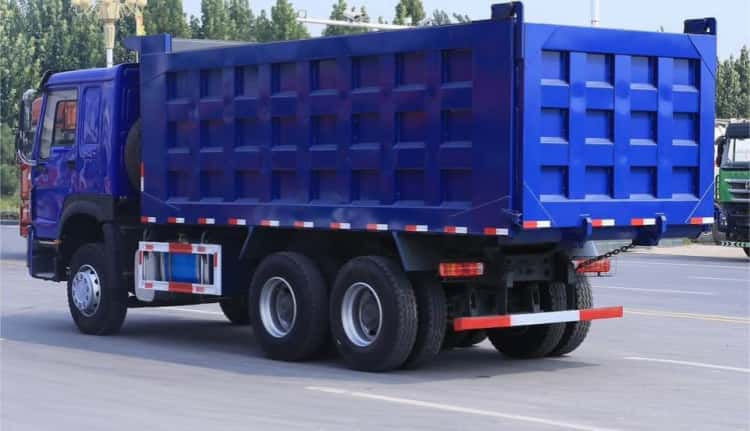
Standard reman process reset service life in a predictable way. Fleets can build fleet-wide risk models for component lifespans and schedule planned downtime in advance.
Instead of constantly reacting to random, unpredictable breakdowns, maintenance planning becomes a scheduled management task. Standby truck allocation, site rotation and workshop capacity planning become much easier. This reduces emergency response coordination work and the management burden of handling unexpected operational disruptions.
Simplified asset valuation and residual value tracking
When all certified reman vehicles follow the same standard, finance and asset teams use a single depreciation model for the whole fleet.
Valuation for internal reporting, insurance and future resale is consistent. There is no need to assess each truck separately based on unknown rebuild scope. Buyers in the secondary market also understand the standard, which speeds up asset sales and reduces negotiation complexity.
Without standardization, every refurbished truck is a unique valuation challenge, requiring extra work to justify its condition and price.
Reduced supplier management overhead
Certified reman vehicle specifications give fleets a clear benchmark when working with suppliers.
Procurement teams can compare suppliers against the same technical checklist, rather than negotiating ambiguous, variable rebuild scopes. Rejection criteria, acceptance testing and warranty terms can be written once and applied to every bulk order. This lowers the time spent reviewing vendor proposals, resolving quality disputes and clarifying inconsistent deliverables.
Common risk when standardization is missing
A reman label alone means nothing without fixed standards. If a supplier rebuilds trucks on an ad-hoc basis, the fleet inherits a heterogeneous asset pool. Management work multiplies: custom service plans, extra training, bloated spare parts stock, messy audit files and unpredictable breakdowns all push up indirect management costs. The low upfront price quickly disappears into administrative and operational friction.
Closing
Certified reman vehicle standardization lowers fleet management costs by removing variability. It unifies maintenance workflows, simplifies technician training, rationalizes spare parts inventory, streamlines audit documentation and makes asset performance easier to forecast.
For African construction, mining and haulage fleets, these indirect savings often add up significantly over the asset cycle. REMAN ROAD standard reman process turns reman vehicles into a manageable, scalable fleet category, rather than a collection of unpredictable custom rebuilds that drain management time and attention.