
How Industrial Reman Work Reshapes the Reman Ecosystem?
Introduction
The traditional heavy vehicle second-hand market was fragmented, informal and highly dependent on individual workshops. Most old vehicle renewal work was ad-hoc repair or cosmetic refurbishment, lacking unified standards and stable quality output. The rise of industrial reman work — mass, standardised, process-controlled remanufacturing on dedicated production lines — is reshaping the whole reman ecosystem.
It redefines the roles of core suppliers, component vendors, testing labs, fleet operators and after-sales service providers. This page explains the structural changes brought by industrial reman work and the new value logic for all participants.
Core Sourcing: From Random Used-Vehicle Picking to Qualified Core Screening Supply Chain
In the old ecosystem, cores were sourced randomly from auctions, scrap yards or one-off individual trades. Vehicle condition was unpredictable, and many units with hidden structural damage entered renewal processes. Industrial reman workflow introduces formal core evaluation standards. Every candidate truck goes through pre-teardown NDT, historical fault analysis and structural assessment before acceptance.
- Core suppliers shift from general used car dealers to professional core screening partners.
- Cores are graded by reman feasibility, model, frame integrity and powertrain residual condition.
- Unrepairable cores are diverted to material recycling channels instead of entering reman lines.
This creates a dedicated upstream core supply chain and reduces the risk of building standardized reman vehicle on unqualified base vehicles.
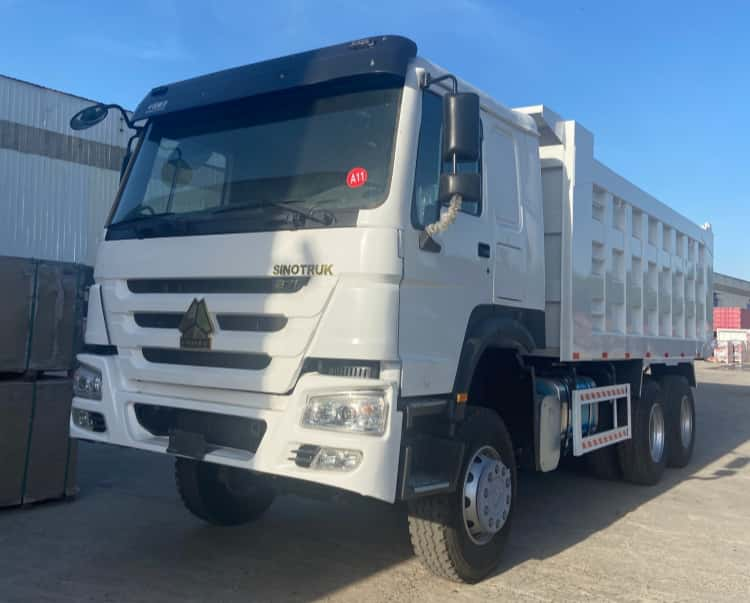
Component Supply Chain: From Random Spare Parts to Reman-Specific Component Ecosystem
Traditional repair workshops source generic spare parts on demand, with inconsistent quality and no batch traceability. Industrial reman workflow creates dedicated component procurement and reman subassembly supply chains:
- OEM or OEM-equivalent new consumables and critical safety parts are reserved for reman production.
- Reusable disassembled parts are inspected, reconditioned and stored as certified reman spare components.
- A closed-loop parts circulation system is formed: worn assemblies from incoming cores are remanufactured and reused as spare parts for future reman units or after-sales maintenance.
This separates industrial reman work component supply from casual aftermarket spare parts trading and improves part consistency across batches.
Production Model: From Manual Workshop Repair to Assembly-Line Reman Workflow
Conventional refurbishment relies heavily on individual technician experience; quality varies greatly from unit to unit. Industrial reman workflow adopts station-based assembly line workflows with fixed work instructions, torque specifications, inspection gates and mandatory test procedures:
- Production is split into sequential stations: incoming inspection, full disassembly, cleaning, part inspection, reassembly, bench test, road test and final certification.
- Each workstation has defined pass/fail criteria. Any non-conformity triggers rework before moving to the next stage.
- Work records are digitally logged and bound to VIN for traceability.
This transforms reman from a craft service into repeatable industrial manufacturing, which is the foundation for scalable, consistent output.
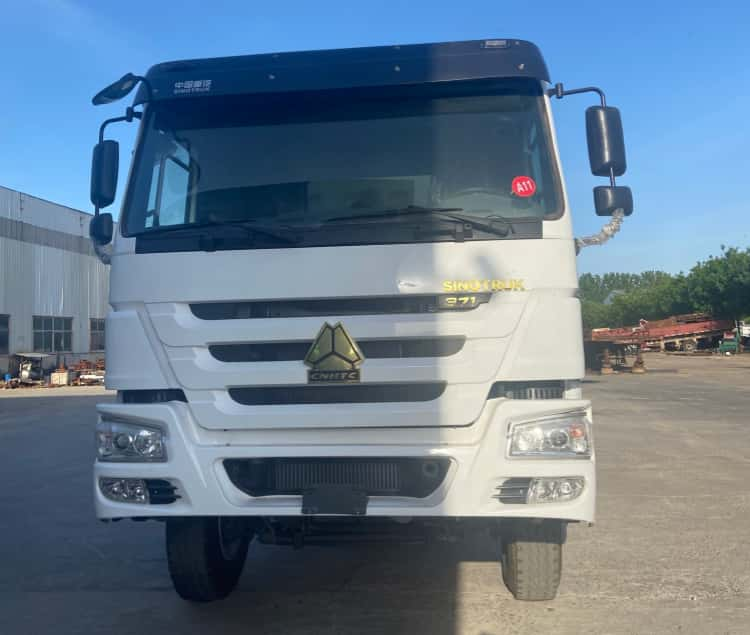
Quality & Certification: From Seller’s Verbal Promise to Third-Party Verified Standards
In the past, quality claims depended on the seller’s word. There was no universal definition to distinguish reman, refurbishment and repair. Industrial reman pushes the whole ecosystem toward unified standards:
- Formal reman specification documents define the boundary between remanufacturing, refurbishment and material recycling.
- Independent third-party labs perform periodic workflow audits and performance verification.
- Standardised test reports, reman certificates and traceability files become mandatory delivery documents.
Buyers can compare different China remanufacturer using the same set of benchmarks, which reduces information asymmetry in cross-border transactions.
Digital Traceability & Asset Data: From No Record to Full Lifecycle Digital Asset Profile
Legacy second-hand trucks usually have fragmented or missing maintenance records. Once sold, historical condition data is lost. Industrial reman work embeds digital traceability into every production step:
- Each standardized reman vehicle carries a VIN-linked digital dossier covering core screening, disassembly logs, part replacement records and all test data.
- Fleet owners can access the full asset history for maintenance scheduling, asset depreciation calculation and ESG reporting.
- When the asset enters resale or re-remanufacturing at the end of this service cycle, the digital dossier can be passed to the next owner. Digitalisation turns standardized reman vehicle into trackable industrial assets instead of anonymous used trucks.
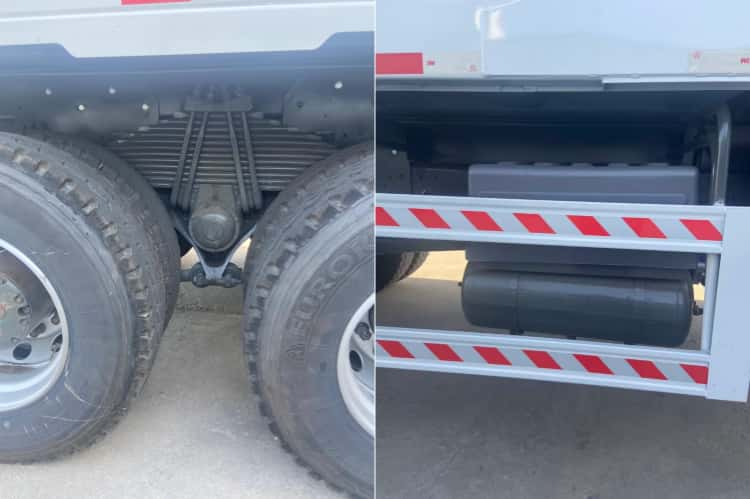
After-Sales & Service Network: From One-Time Transaction to Long-Term Closed-Loop Service
The old model was mostly one-off sales: once the truck was delivered, after-sales support was limited. Industrial reman workflow reshapes after-sales into a closed-loop ecosystem:
- Factory-backed warranty for key assemblies becomes standard, not optional.
- Global spare part inventory is prepared for reman model series, supporting fleet maintenance in remote project sites.
- When the fleet retires the standardized reman vehicle after its service period, the China remanufacturer can take it back as a new core for the next round of reman production.
This closes the circular economy loop and creates long-term recurring cooperation between China remanufacturer and fleet operators.
Market Participants & Value Distribution: New Stakeholders Join the Reman Industry
Industrial reman work redistributes value across the whole ecosystem and creates new professional roles:
- Professional core evaluators, NDT inspection service providers and reman testing laboratories become independent service providers.
- Financial institutions launch dedicated financing and leasing products for standardized reman vehicle.
- Fleet asset management companies integrate standardized reman vehicle into their lifecycle fleet rotation plans.
Old-style small refurbishment workshops either upgrade to meet industrial standards or remain in the low-value cosmetic repair segment.
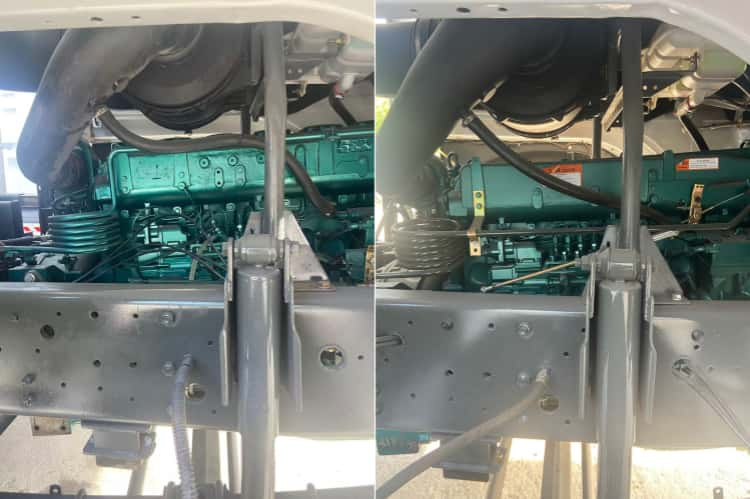
Ecosystem Challenges During Transformation
- Standard adoption gaps: Many regions still lack official regulatory definitions for standardized reman vehicle.
- High upfront investment: Building reman production lines, NDT labs and digital traceability systems requires heavy capital investment.
- Market education cost: Buyers still need training to understand the difference between industrial reman work and ordinary refurbishment.
- Core supply constraints: High-quality repairable cores are limited and require systematic collection and grading.
Conclusion
Industrial reman work is not merely upgrading single vehicle repair quality; it rebuilds the entire reman ecosystem. It transforms the industry from a fragmented, experience-driven second-hand market into a standardised, traceable, closed-loop industrial value chain.
For global fleet decision-makers, this shift means standardized reman vehicle can now be treated as predictable, warrantable assets, rather than high-risk old vehicles.