
Why Inspected Reman Helps Fleet Managers Reduce Overtime And Emergency Workshop Shifts?
Intro
Fleet workshop overtime is rarely a planned expense. It is driven by surprise equipment failures: a truck goes down mid-shift on a quarry or haul route, and maintenance teams must stay late, come in on weekends or be called in off-hours to get production back on track. For managers, this creates inflated labour costs, technician burnout, scheduling chaos and higher turnover.
Inspected remanufacturing attacks the root of this pattern. Rigorous inspection, NDT validation and unified remanufacturing standards lower the rate of sudden, unplanned failures, while standardised service cycles make maintenance workloads far easier to forecast and roster within regular working hours.
Where Emergency Shifts and Overtime Originate?
Generic used fleets carry a steady stream of latent defects. Failures strike randomly, often during production hours or late in the workday. When a critical haul truck stops, operations cannot wait until the next morning’s workshop shift. Material flow, contract deadlines and site throughput depend on getting it back online quickly. Managers have two choices: dispatch the on-call technician for overtime, or pull the whole production schedule down.
Most of the time, overtime is the default trade-off. These emergency calls are irregular. The workshop cannot roster for them, so labour budgets swing wildly. Fatigued technicians also make more assembly errors, which can trigger repeat failures and create a vicious cycle of after-hours work.
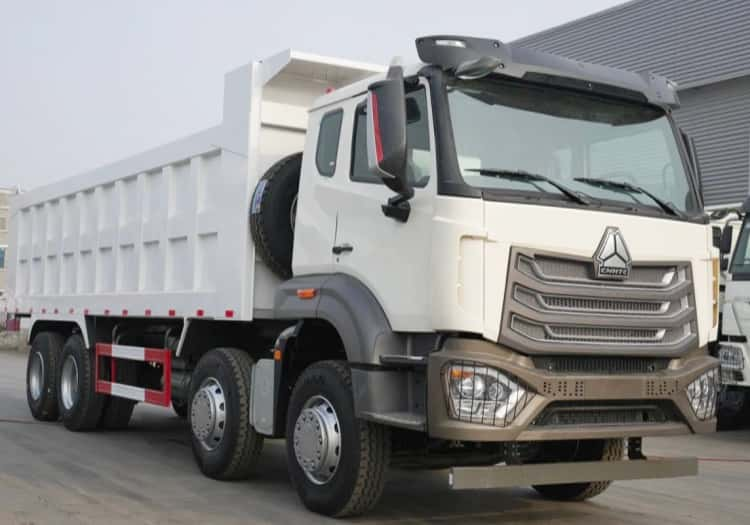
Pre-Deployment Inspection Removes Defects That Cause After-Hours Breakdowns
Inspected remanufacturing goes through full disassembly, non-destructive testing, mandatory consumable renewal and bench validation before handover. Hidden fatigue cracks, degraded bearings, compromised seals and loose fastener conditions are caught and resolved at the reman facility.
These invisible defects are the leading cause of sudden in-service failures — the exact failures that tend to happen mid-operation and force emergency workshop attendance. By eliminating this pool of latent defects, the total volume of urgent breakdown events drops sharply. Fewer urgent calls means fewer unplanned overtime activations and fewer weekend recall shifts.
Standardised Schedules Let Maintenance Be Planned Into Normal Working Hours
Uncertified used trucks have unpredictable wear patterns. Component failures happen out of sequence, so maintenance is always reactive. Inspected reman trucks follow published service intervals tied to operating hours and duty grade. Wear rate is predictable, and part replacement cycles can be mapped months in advance.
Fleet managers can bundle maintenance work during planned site shutdowns, scheduled rest days or low-production daylight windows. This turns repairs into planned work that fits within standard shifts, rather than crisis work that lands after hours.
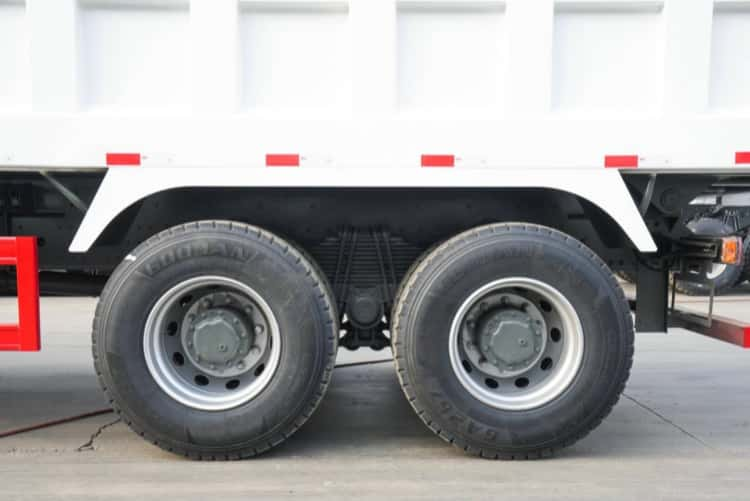
Standardised Parts and Dossier Cut Repair Time When Work Is Needed
Even when service is required, inspected reman’s fixed bill of materials and VIN-bound inspection records reduce troubleshooting time. Technicians do not waste hours identifying unknown modifications, hunting for non-standard parts or reverse-engineering prior repairs.
Jobs are completed faster, which reduces the chance that a repair spills over into overtime. If multiple units need service, parts interchangeability also lets the workshop batch jobs and balance workload evenly across the team, instead of scrambling on a one-off emergency basis.
Fewer Ripple Failures Reduce Compound Emergency Workloads
A single breakdown can create a chain reaction. If one truck is down, other assets are pushed harder, accelerating their wear and increasing the risk of a second failure on the same day. This stacks emergency jobs and multiplies overtime pressure.
With inspected remanufacturing’s more stable uptime profile, the fleet runs closer to its designed balance. The workshop avoids being hit by clusters of simultaneous failures that overwhelm the regular shift roster.
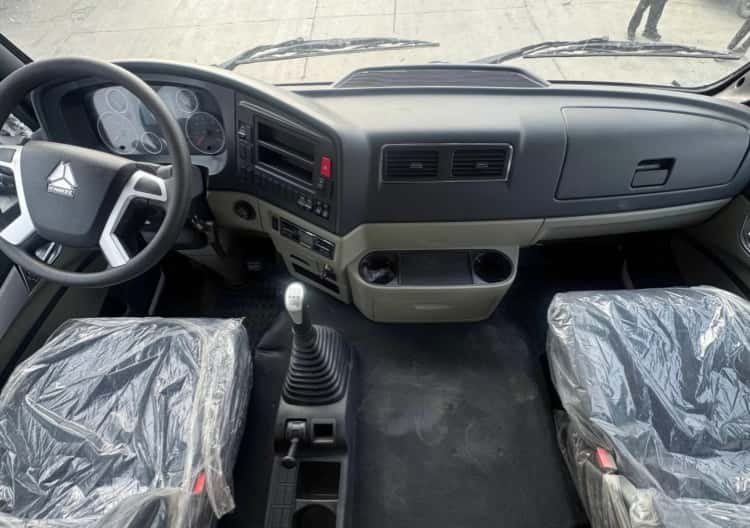
Clear Warranty Support Shifts Burden Away From In-House Overtime
If a covered rebuild defect occurs, the warranty process defines support pathways. Many issues can be resolved through approved service kits, technical remote guidance or nominated service partners, rather than forcing the in-house workshop to drop everything and respond after hours.
This separates rebuild-related risk from the fleet’s internal labour roster. The workshop team only absorbs routine wear maintenance, not the unpredictable load of major emergency powertrain repairs.
Boundary Note
Inspected remanufacturing does not eliminate overtime entirely. Collisions, fuel contamination, tyre damage and operation outside duty grade can still create urgent breakdowns. It removes the avoidable overtime caused by latent defects and inconsistent rebuild quality — the recurring source of workshop after-hours pressure in mixed used fleets.
Q&A
Q: Does this also help reduce technician burnout? A: Yes. Less unpredictable on-call work creates a more stable roster, which improves technician retention and reduces fatigue-linked rework.
Q: What if the site runs 24/7 production? A: Even in round-the-clock sites, fewer surprise failures let managers stabilise night-shift workload, reducing the need for emergency call-ins and premium overtime rates.
Q: How does this flow into fleet budgeting? A: Labour forecasting becomes more consistent. Overtime stops being a large, volatile contingency line and becomes a smaller, predictable reserve for accidents and random events.