
How Global Remanufacturing Standards Guarantee Consistent Asset Quality?
Introduction
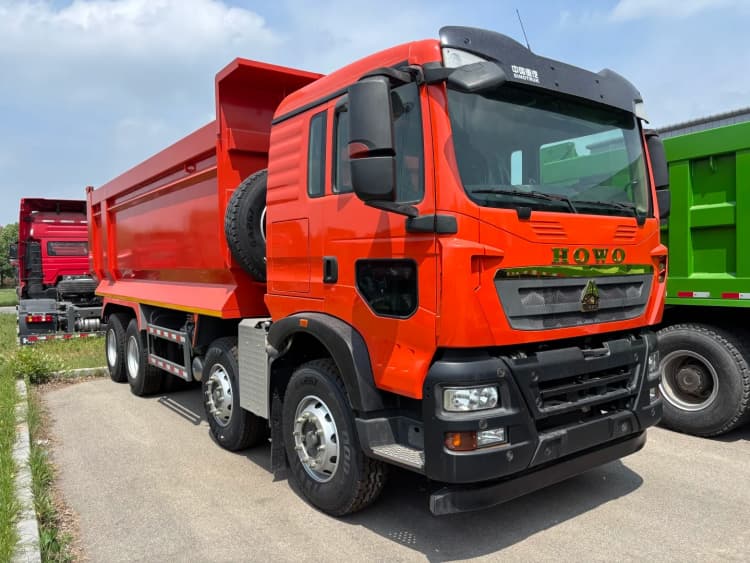
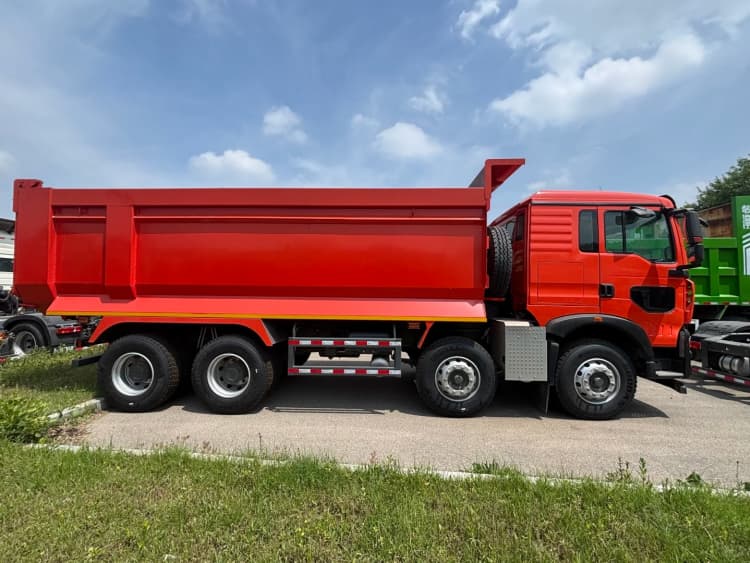
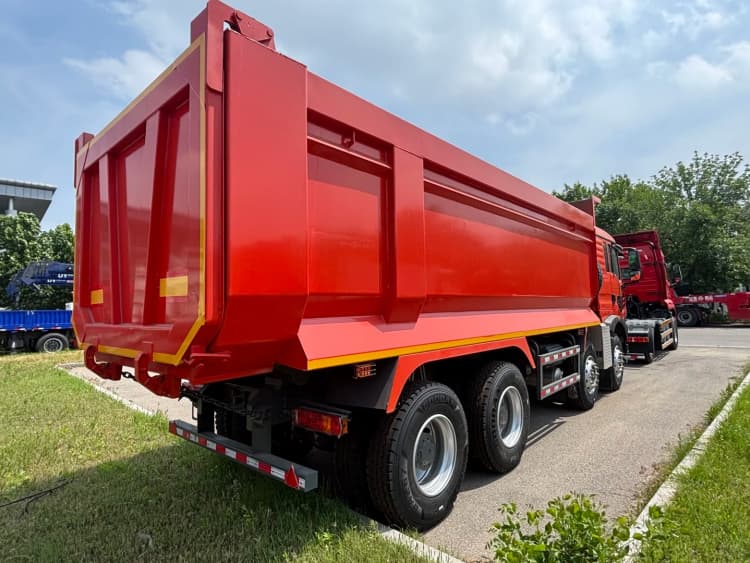
Many fleet buyers treat remanufactured heavy trucks as inconsistent products, worried that quality varies widely between different workshops and suppliers. Global remanufacturing standards are designed to solve exactly this pain point. These unified rules define every step from component inspection, material selection, repair procedures to final testing.
By following internationally recognised reman specifications, suppliers can deliver remanufactured heavy trucks with predictable, repeatable quality, rather than ad-hoc repair work. This article breaks down how these global standards work to lock in consistent asset quality for heavy commercial vehicles.
Unified Definition & Classification of Remanufactured Assets
Global remanufacturing standards first draw a clear boundary between remanufacturing, simple repair and cosmetic refurbishment, removing subjective judgement from production.
- Establish universal criteria for qualifying core units: only cores meeting minimum baseline structural integrity can enter reman workflow; severely damaged, fatigued frames or cracked castings are rejected at intake.
- Define asset classification tiers based on inspection records, replaced parts and test results, so buyers know exactly what grade of reman product they purchase.
- Standardise terminology across markets, eliminating confusion caused by local vague descriptions such as “used-repaired” that often disguise low-quality refurbishment.
Mandatory Core Inspection & Traceability Requirements
All global remanufacturing standards frameworks enforce strict core audit and traceability rules, which is the foundation of stable quality.
- Standardised non-destructive testing (NDT) checklist: magnetic particle, ultrasonic and pressure testing for critical components including frame, axle, engine block and gearbox housing.
- Unique serial number tracking: every core and replaced component is tagged, recording original condition, inspection date, repair actions and batch information.
- Rejection thresholds are fixed: components exceeding fatigue limits, corrosion thickness or crack size cannot be reused, no exceptions for cost-saving purposes.
Standardised Component Replacement & Material Rules
Global remanufacturing standards specify when parts must be replaced, reconditioned or reused, avoiding inconsistent part choices from different factories.
- Consumable and safety-critical components (brakes, seals, bearings, gaskets, hoses) are required to be replaced with OEM or equivalent certified new parts, not reused old stock.
- Reusable metal components have fixed machining tolerances: machining limits for crankshaft, cylinder liner, axle housing are written into standard documents. Parts outside tolerance must be scrapped.
- Material specification compliance: replacement materials must match original material grades; substitute low-grade materials to cut costs is prohibited under standard requirements.
Fixed Assembly, Calibration & Performance Testing Protocols
This section ensures every finished remanufactured heavy trucks delivers identical performance, not just looks intact.
- Step-by-step assembly SOP: torque values, assembly sequence, clearance settings are standardised, not left to individual mechanic experience.
- Mandatory bench and load testing: engine dyno test, brake system full load test, transmission function test, leak test are required for every finished asset.
- Acceptance pass/fail metrics are quantifiable: power output, oil pressure, braking efficiency, noise and emission thresholds are predefined. Any unit failing testing must be reworked.
Standardised Documentation, Certification & Quality Audits
Global remanufacturing standards require complete paperwork and periodic third-party audits to prevent deviation from procedures.
- Each finished remanufactured heavy trucks or component comes with a standard reman certificate, listing replaced parts, test data and warranty scope.
- Internal quality audit cycles: regular internal batch sampling to check whether production follows the standard.
- Third-party verification: independent inspectors can audit workshops randomly; suppliers failing audit will lose standard certification.

Standardised Warranty & Post-Delivery Quality Feedback Loop
Consistent quality also relies on uniform after-sales rules defined by global remanufacturing standards.
- Unified warranty term framework based on asset grade, avoiding widely different warranty promises from different reman vendors.
- Mandatory failure reporting: any in-service component failure must be recorded and fed back to production line for process improvement.
- Corrective action requirements: repeated failure modes trigger workflow review and process adjustment, preventing the same quality issue recurring across batches.
Conclusion
Global remanufacturing standards turn remanufacturing from a workshop-based craft into a repeatable industrial process. By standardising core screening, component rules, assembly, testing, certification and after-sales feedback, these standards remove randomness and subjective choices.
For fleet operators, this means remanufactured heavy trucks can deliver predictable reliability, consistent performance and clear warranty protection, closing the quality gap between reman products and brand-new trucks.
One Comment